Second Marriages Later in Life Often Turn Out Happier
My friend Ruth got married in October. She is sixty-four. Her first husband passed six years ago, and for a long while I did not think…
My friend Ruth got married in October. She is sixty-four. Her first husband passed six years ago, and for a long while I did not think she would ever date again, let alone stand up in front of people and say vows. But she met a man named Hal at a church supper, and two years later Tom and I were sitting in folding chairs in her daughter’s backyard watching her say yes.
I have been married to Tom for more than thirty years. I only know first marriages from the inside. So before the wedding I did what I usually do when I want to understand something I have not lived. I asked the readers of this blog. I wanted to hear from people who married again after fifty, and I asked them one question. Why did the second time feel happier? The letters came in for three weeks. Tom read a good many of them with me at the kitchen table.
What follows is what I learned, from Ruth and Hal, from those letters, and from watching a wedding weekend with older eyes. I am not saying second marriages are better than first ones. Mine has been good. I am saying that a lot of people who tried again later found something that surprised them, and the reasons were more practical than I expected.
They talk about money before the wedding, not after

Ruth told me over coffee in August that she and Hal had already been to see a lawyer together. They had a sheet of paper with what was hers, what was his, and what would go to each of their kids. She laughed about how unromantic it sounded. Then she said it was the most relaxed she had felt about money in her whole life.
Tom and I did not have a conversation like that until our oldest was in middle school. We fought about money for years before we ever sat down with it on paper.
Carol P., 66, Lincoln, Nebraska, wrote that she and her second husband put everything on the table the first month they were serious. She said the first marriage ended partly because nobody ever did that.
Clear money talk early takes a big fight off the table before it starts.
They have stopped trying to change each other

At the rehearsal dinner, Hal told a story about the first time Ruth saw his garage. It is a mess. Tools everywhere, half-finished birdhouses, a lawn mower that has not run since the Reagan years. Ruth looked at it, shrugged, and asked where he kept the coffee.
I thought about the years I spent trying to get Tom to fold towels my way. I finally gave up somewhere around our twentieth anniversary. It was a relief for both of us.
Dale M., 71, Spokane, Washington, put it plainly in his letter. He said he spent his first marriage being fixed and his second marriage being accepted.
When nobody is a project, both people get to relax.
The kids are grown and the parenting fights are over
Tom and I spent most of our thirties and forties arguing about bedtimes, allowances, and whose turn it was to deal with the school. We loved each other through it. But a great deal of our energy went into raising three kids, and not much was left over for each other some years.
Ruth and Hal have five grown children between them. They do not have to agree on curfews. They do not have to decide who drives to practice.
Judy F., 59, Macon, Georgia, wrote that her second husband never had to see her tired and short-tempered from a toddler at two in the morning. She said that made a difference she could not have guessed at.
Without the daily grind of raising children, there is more room for the two of you.
They know what a good day looks like
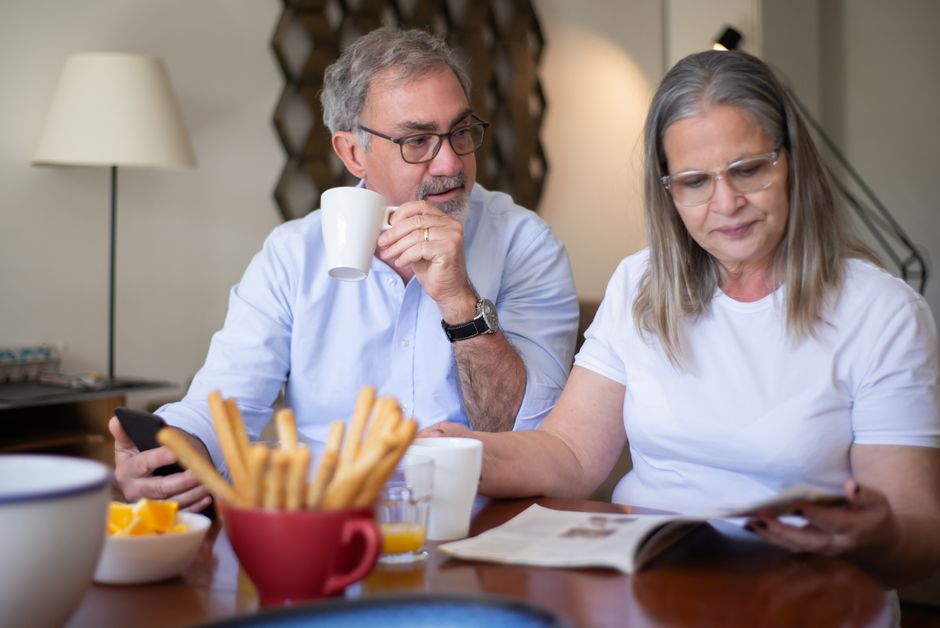
Hal gets up at six, reads the paper, walks two miles, and eats the same oatmeal every morning. Ruth sleeps until eight and wants quiet until her second cup. They told me this on the porch like it was a weather report.
In my twenties I had no idea what I wanted a day to look like. Neither did Tom. We figured it out by bumping into each other for years.
Ron K., 68, Duluth, Minnesota, said in his letter that by the time he remarried, he knew exactly what he needed in a day and so did his wife. He said they built their routine around that and almost never stepped on each other.
Knowing your own habits makes it easier to make room for someone else’s.
They have already made the big mistakes once
Ruth said something at the wedding lunch that stuck with me. She said she had already been the wife who kept score, and she had already been the wife who went silent for days. She did not want to be either one again.
Most of what I know about marriage I learned by doing it wrong first. Tom would say the same about himself.
Annette S., 62, Albuquerque, New Mexico, wrote that her first marriage taught her every way to hurt a person without raising her voice. She said she walked into the second one knowing what not to do.
A second marriage gets the benefit of lessons the first one paid for.
They say thank you for small things

I watched Hal bring Ruth a glass of water at the reception. She said thank you and touched his arm. It was nothing. It was also something, because I saw it happen four or five more times that afternoon.
Tom and I got out of the habit of thanking each other somewhere in the middle years. We got back into it after our youngest left for college, mostly because the house was so quiet we could hear ourselves not saying it.
Walt B., 74, Scranton, Pennsylvania, said in his letter that his second wife thanks him for taking out the trash. He said nobody had done that in forty years and it changed how he felt about the trash.
Being thanked for ordinary work makes the work feel like a gift instead of a duty.
They fix small problems before they get big

The week before the wedding, Ruth and Hal had a disagreement about where to put her mother’s china cabinet. She told me about it on the phone. They talked for twenty minutes, picked a wall, and moved on.
In my first decade with Tom, a china cabinet would have turned into a week of sulking. I let things sit. So did he.
Nancy H., 57, Bend, Oregon, wrote that she and her husband made a rule after both of their divorces. Nothing waits past bedtime. She said it is not always comfortable, but it works.
A small problem handled today is a big fight that never happens.
They keep their own friends
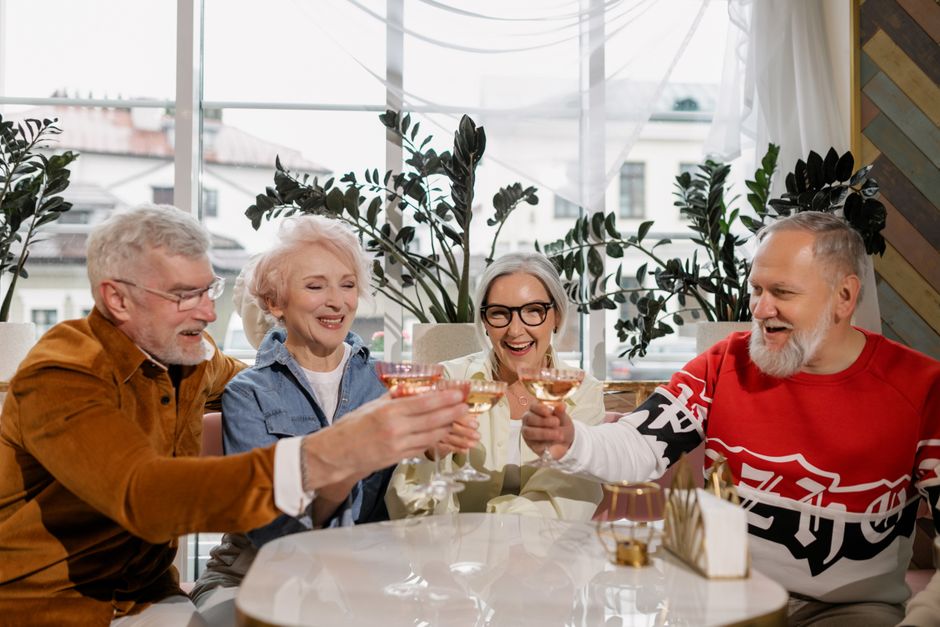
Ruth has a group of women she has lunched with every Thursday for twenty years. Hal has his coffee crowd at the diner. After the wedding, nothing changed about either one.
When Tom and I got married, I half expected us to share all our friends. We tried for a while. It did not work and it made us both lonely in a way we did not understand at the time.
Gene T., 65, Lexington, Kentucky, said his second wife told him on their third date that her girlfriends came with the package. He said he was glad, because it meant he could keep his Saturday fishing.
Two full lives make one good marriage.
They do not apologize for separate interests
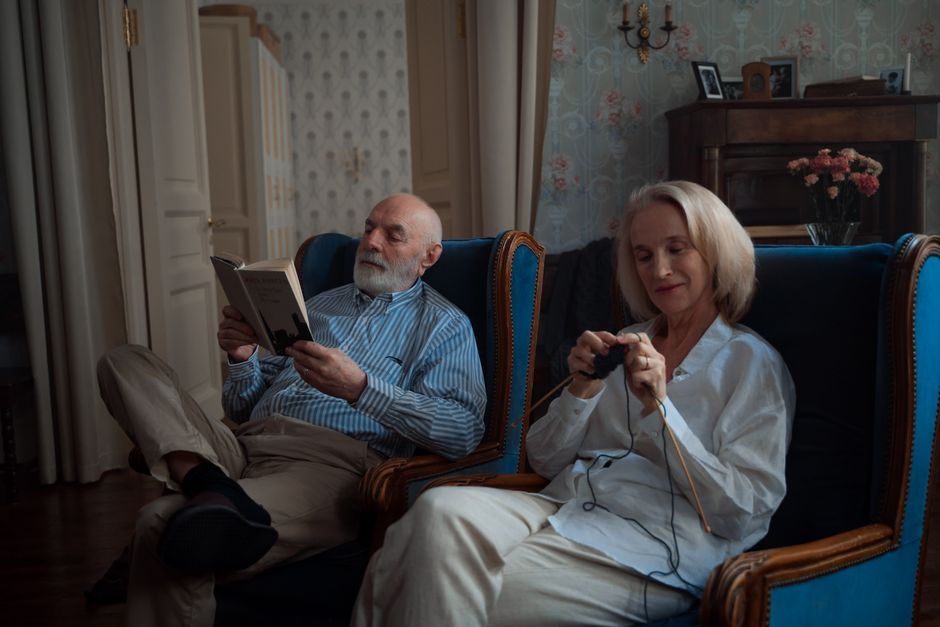
Hal builds birdhouses. Ruth quilts. On the Sunday after the wedding, he was in the garage and she was at her sewing machine, and they called it a honeymoon morning.
I used to feel guilty when Tom and I spent an evening in different rooms. I thought it meant something was wrong. It took me a long time to see that it meant we were comfortable.
Marlene D., 69, Toledo, Ohio, wrote that her first husband took it personally when she wanted time alone. Her second husband takes it as a chance to read.
Time apart is not a problem to solve when both people see it the same way.
They have grieved or healed before they started
Ruth did not date for four years after her first husband died. She told me she needed to be done crying in the car before she could let anyone in. Hal had been divorced for a decade and had done his own sorting out.
I have watched friends remarry too fast and drag an old marriage into a new one. It rarely ends well, and I do not say that to shame anyone. Grief and anger need their own time.
Frank O., 72, Sarasota, Florida, said he waited six years after his divorce before he was ready. He said his second wife deserved a man who was not still arguing with his first.
A marriage built on healed ground stands better than one built on a fresh wound.
They are not in a hurry

Ruth and Hal dated for two years. There was no ticking clock. Nobody was waiting on a baby or a career move or a lease ending.
Tom and I got married in a rush, or at least it felt that way. We were young and everyone was getting married and it seemed like the next thing to do. It worked out. But I know plenty of people for whom it did not.
Barbara L., 61, Sioux Falls, South Dakota, wrote that at her age she had nothing to prove and nowhere to be. She said that let her actually get to know the man before she married him.
Without pressure, you get to choose instead of just arriving.
They would rather be kind than be right
At the reception, Hal told the story of their first road trip and got the town wrong. Ruth let it go. Later I heard her tell him the right town, quietly, and he laughed.
Tom and I used to correct each other in front of people. It took us a long time to see how small it made the other person feel.
Ed R., 67, Burlington, Vermont, said the biggest change in his second marriage was that he stopped needing to win. He said being right cost him his first wife and he did not want to pay that twice.
Kindness in front of other people is worth more than being accurate.
They know time is short so they do not waste it sulking
Ruth told me that after her first husband died, she thought about all the days they spent not speaking over something small. She said she could not get those days back and she was not going to lose any more.
I have let a whole weekend go by with Tom in a mood. I know how it feels to waste time that way.
Donna W., 63, Amarillo, Texas, wrote that she and her second husband have a saying. We do not have thirty years to be mad. She said it ends most fights in minutes.
When you can see the end of the road, you stop pulling over to argue.
They do not try to rebuild the first marriage
Hal told me on the porch that Ruth is nothing like his first wife and he is glad. He said he had tried, early on, to find someone just like her, and it was a mistake every time.
Phil G., 70, Billings, Montana, said something similar. He said his second marriage only started working when he quit comparing it to the first. He said the first marriage was a different house with different furniture.
I have watched friends marry a copy of the person they lost and then be surprised when it did not fit. People are not spare parts.
A new marriage needs its own shape, not a borrowed one.
They talk about health plainly
Ruth and Hal have each other’s doctors’ numbers. They know each other’s medications. They talked about what they would want if one of them got sick before they ever got engaged.
Tom and I avoided that conversation for most of our marriage. We had it in our fifties, and I wish we had done it sooner.
Sue C., 58, Lansing, Michigan, wrote that her second husband asked about her blood pressure on their fourth date. She said it was the most caring question anyone had asked her in years.
Talking about the hard medical things early takes the fear out of them.
They are honest about the person who came before
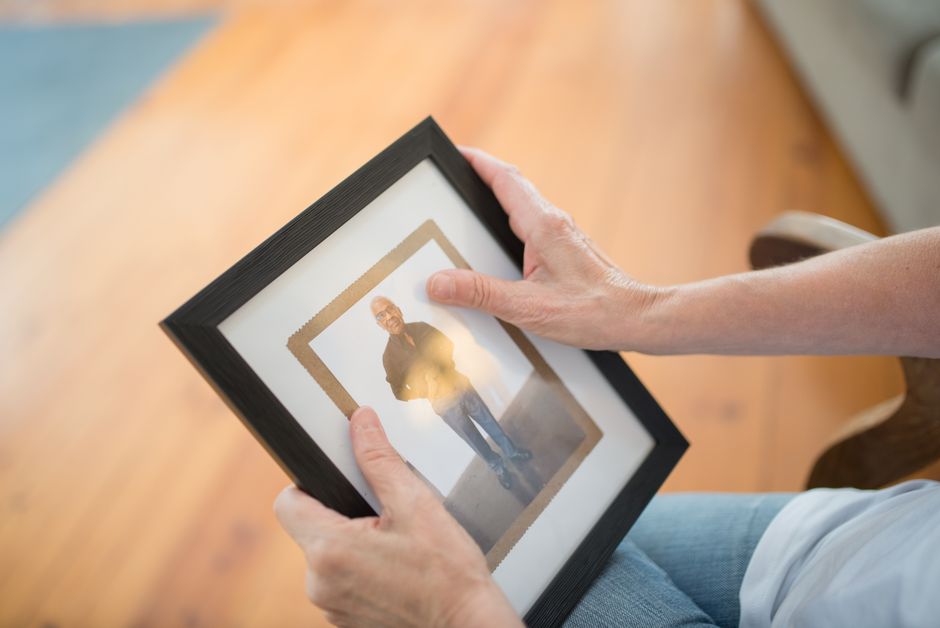
Ruth keeps a photo of her first husband on the hallway table. Hal has never asked her to move it. He told me he would not want to be with a woman who could erase thirty years.
This surprised me. I had expected jealousy. What I saw instead was respect.
Harold N., 76, Mobile, Alabama, said his second wife talks about her late husband at dinner sometimes and he likes it. He said a woman who loved one man well will probably love another one well too.
Room for the past makes more room for the present.
They have low expectations for in-laws and stepkids
Ruth’s kids like Hal. Hal’s kids are polite to Ruth. That is where it stands, and nobody is pushing for more.
I have watched friends try to force a blended family into one big happy picture and end up with a Thanksgiving no one wants to attend.
Peggy A., 64, Reno, Nevada, wrote that she decided early on that her husband’s grown children did not have to love her. She said they only had to be decent at the holidays. She said that took all the pressure off and they ended up closer than she expected.
Asking for respect instead of love from grown stepchildren often gets you both.
They have learned how to apologize
On Saturday morning before the ceremony, Hal snapped at Ruth about the flowers. I was in the kitchen and heard it. Ten minutes later I heard him come back and say he was sorry and that he was nervous. She said she knew.
Tom was in his forties before he could say sorry without adding a reason. I was not much better.
Lou V., 69, Providence, Rhode Island, said that in his first marriage he apologized maybe five times in twenty years. In his second he apologizes when he is wrong, which he said is about once a week.
A plain apology without a defense ends more fights than any argument.
They enjoy sitting quietly together
Sunday afternoon after the wedding, Tom and I stopped by with leftover cake. Ruth and Hal were on the porch. She was reading. He was dozing. They did not get up and they did not need to.
That kind of quiet took Tom and me decades to find. In the early years I thought silence meant trouble.
Carol P. wrote in a second letter that the best part of her marriage is the hour after supper when neither of them says a word. She said she never had that with her first husband because she was afraid of it.
Comfortable silence is one of the surest signs a marriage is working.
They do not expect one person to be everything
Ruth has her church, her Thursday lunches, her quilting guild, and her daughters. Hal is one good part of a full life, not the whole thing.
When I was young I thought Tom should be my best friend, my adviser, my comfort, and my fun. That is a heavy load for one man.
Dale M. said in his letter that his first wife wanted him to be her whole world and he could not do it. His second wife, he said, has a whole world already and just wants him in it.
A spouse who is part of your life instead of all of it has room to breathe.
They laugh at themselves
Hal lost his reading glasses during the toast. They were on his head. Ruth pointed, the whole backyard laughed, and he laughed loudest.
Tom and I have gotten better at this with age. We have both done too many foolish things to pretend otherwise.
Annette S. wrote that her second husband laughs at his own bald spot, his bad knees, and his terrible singing. She said she never heard her first husband laugh at himself once.
Laughing at yourself first takes the sting out of anything your spouse might say.
They understand what the vows mean now
Ruth cried during the part about sickness and health. So did Hal. They have both buried or lost a spouse. They know what those words cost.
I said my vows at a young age and meant them, but I did not understand them. I learned what they meant one year at a time.
Judy F. said that at her second wedding, every word felt heavy. She said at her first she was mostly thinking about the cake.
Vows said with full knowledge are vows that hold.
They have lower expectations and higher appreciation
Hal does not expect Ruth to be perfect. Ruth does not expect Hal to read her mind. Both of them seem pleased with what they actually have.
Tom and I spent years disappointed in each other for not being people we never were. I am not proud of that. It is just true.
Walt B. put it this way. He said he went into his first marriage expecting a fairy tale and into his second expecting a good companion. He said he got the second thing and it was better than the first ever could have been.
Expecting a real person instead of a dream makes it easier to be grateful for what shows up.
They picked each other with their eyes open
The last thing Ruth said to me before Tom and I drove home was that she knew exactly who she was marrying. She said Hal was stubborn, a little cheap, and bad at remembering birthdays, and she wanted him anyway.
That might be the whole thing right there. Not a perfect match. A known one.
Frank O. wrote that he chose his second wife the way he would choose a house, with a full inspection and a clear head. He said it was the least romantic thing he ever did and the best decision of his life.
Choosing someone you already see clearly is the strongest start a marriage can have.
On the drive home Tom was quiet for a while. Then he said that a lot of what those letters described sounded like us now, not us at the start. I think he was right. Tom and I did not get to skip the hard years. We had to live through them to get here. The people who wrote to me took a different road and landed in a similar place, just sooner the second time.
I will not pretend a second marriage is the easy way. Everyone who wrote in had a loss behind them, whether it came from a funeral or a courtroom. But they learned something from it, and they brought that knowledge to the next person. That seems to be the difference.
Ruth sent me a photo last week. She and Hal are on the porch in matching sweaters she clearly picked out and he clearly did not want to wear. He is grinning anyway.
If you married again later in life, what did you know the second time that you wish you had known the first?
Keep Reading