Living Room Habits That Often Come from a Lower-Middle-Class Upbringing
The weekend after our youngest left for college, Tom decided the living room needed paint. He said it the way he says most things, over coffee,…
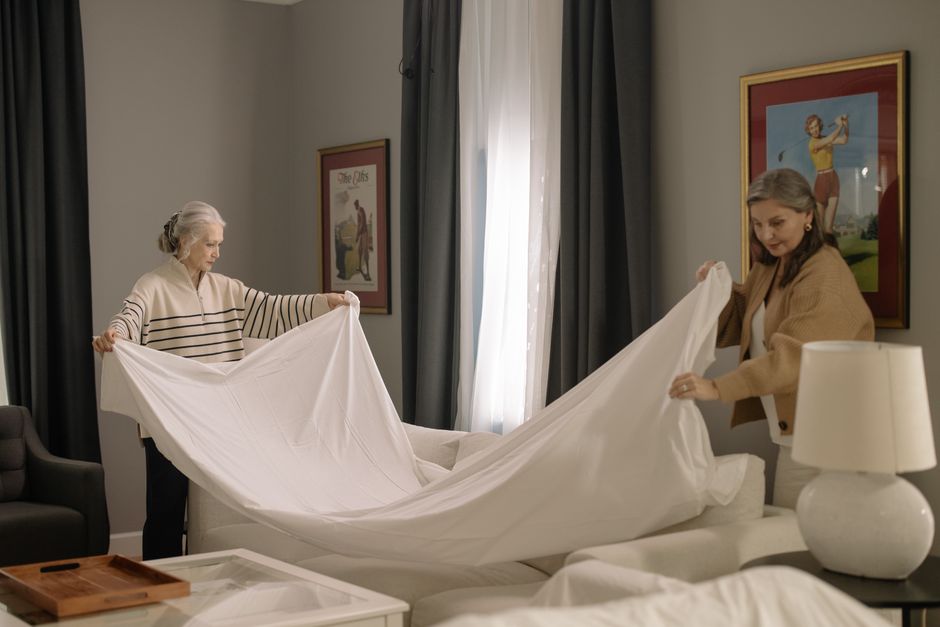
The weekend after our youngest left for college, Tom decided the living room needed paint. He said it the way he says most things, over coffee, like he was reading me the weather. I said fine. By Saturday morning we had every stick of furniture pushed into the hall and the dining room, and I was standing in an empty room with a roller in my hand.
An empty room tells on you. With the couch gone I could see the dent in the carpet where it had sat for twenty years. With the end table gone I could see the ring the lamp base left. Every habit we had in that room was suddenly visible, like a map. And most of those habits did not come from Tom and me. They came from the houses we grew up in, where money was careful and the living room was the one place that had to look like we were doing fine.
I wrote some of them down on the grocery pad while the first coat dried. Then I asked readers of the blog to send me their own. The letters came in fast, and a lot of them sounded like my kitchen. Here is what came out of that weekend.
The good couch wears a cover
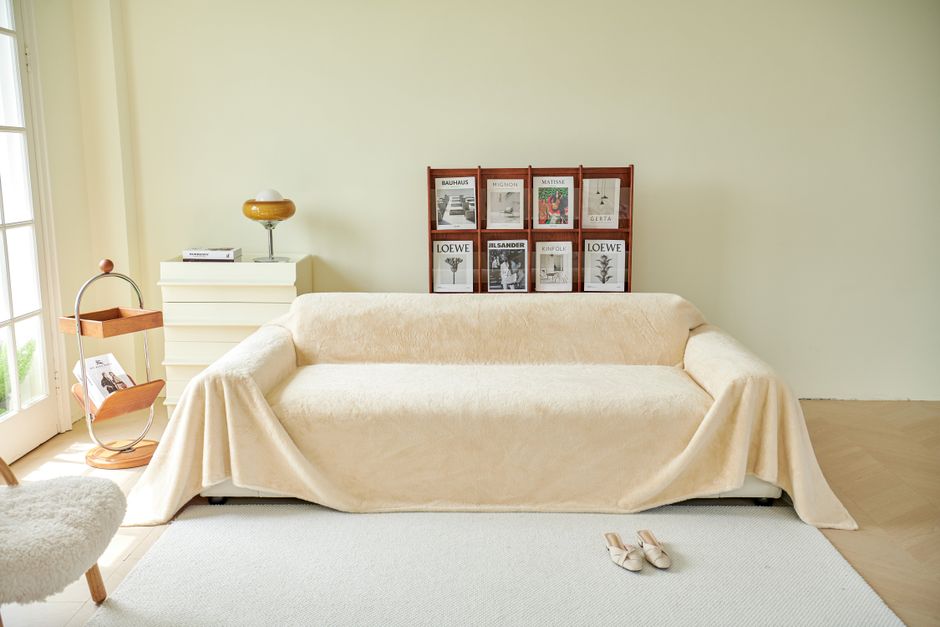
The first thing we carried out was the couch. It had a quilt over the back and a folded blanket across the seat, and it had worn those two things for as long as I can remember. When Tom lifted the quilt off, the fabric underneath looked almost new. The arms were a little shiny. The cushions still had their color.
Our middle one once asked me why we bought a nice couch and then hid it. I did not have a good answer. The house I grew up in did the same thing. You bought one couch, maybe two in a lifetime, and you did not let it get ruined. The cover came off for company and went back on when they left.
Patricia R., 59, from Dayton, Ohio, wrote that her couch has a slipcover and the slipcover has a throw on it. She said her daughter calls it the couch in witness protection.
The takeaway is simple. When furniture is expensive to replace, you protect it, and that protection becomes a reflex you pass down without a word.
The television faces every seat
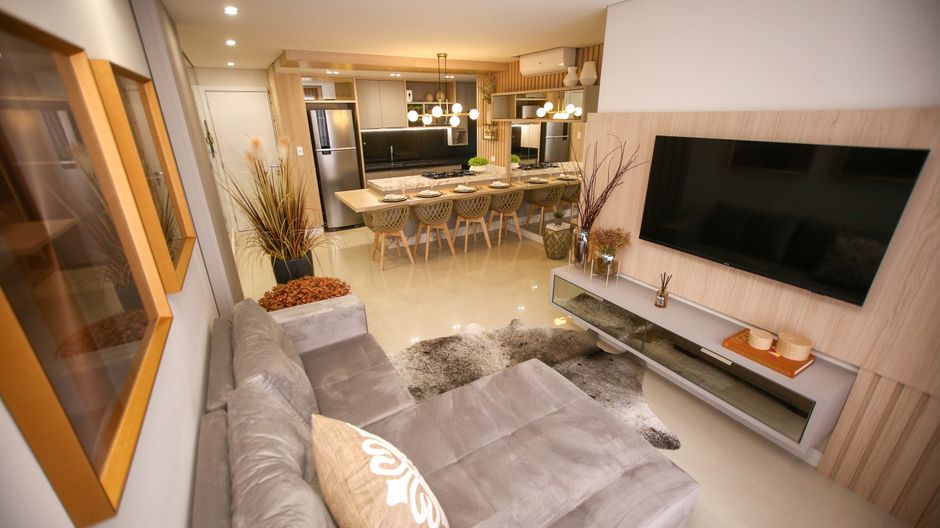
With the furniture gone, Tom and I stood in the middle of the room and tried to decide where things should go. We lasted about a minute. Every chair, the couch, the recliner, all of it went back in a half circle pointed at the television. We did not discuss it. We just did it.
Growing up, the television was the fireplace. It was the thing the room was built around. Nobody arranged seating for conversation. You arranged it so everyone could see the screen from where they sat, and if a chair could not see the screen it was not really a chair, it was storage.
I have been in homes where the couches face each other and the television is tucked off to the side. Those rooms always feel a little formal to me, like a waiting room. I admire them. I could not live in one.
Here is the plain truth. A room arranged around the television is a room arranged around the cheapest entertainment a family had, and that habit outlasts the budget that made it.
The remotes have one home
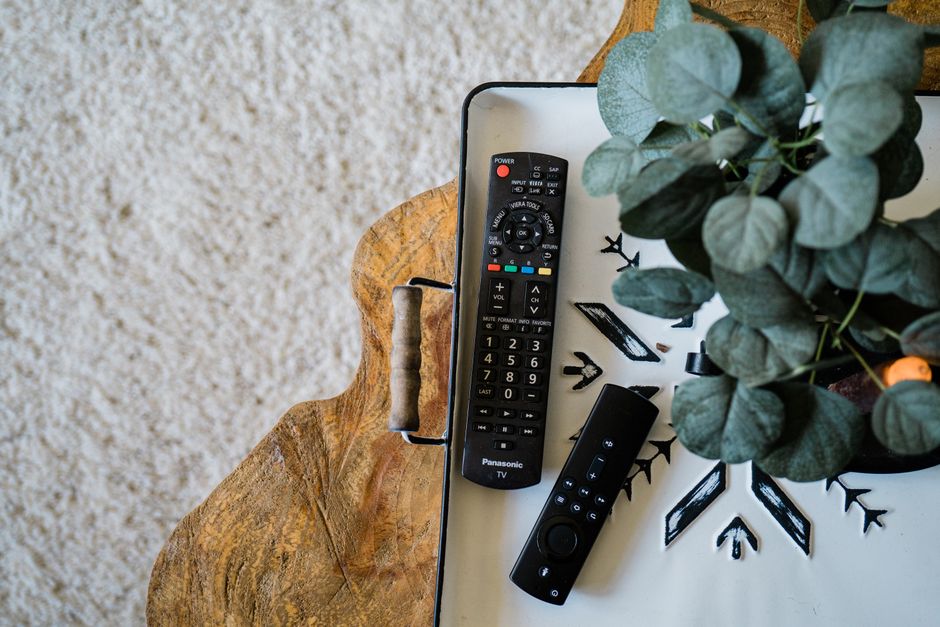
We found four remotes when we pulled the cushions. Three of them went to things we no longer own. Tom put them in the basket on the end table without checking, because that is where remotes go. The basket has been there since the kids were small.
In the house I grew up in, losing the remote was a crime. Somebody would have to get up and turn the dial, and nobody wanted to be that somebody. So there was a spot. Always the same spot. You used the remote and you put it back, and if you did not, you heard about it.
Gary L., 63, from Spokane, Washington, told me his remotes live on top of the television in a row, oldest on the left. He said his wife has tried to move them twice in forty years and he moved them back both times.
What that habit really is, underneath, is a small system for not wasting anything. Not time, not batteries, not a trip to the store for a replacement you could not afford.
Nobody eats on the couch without a tray
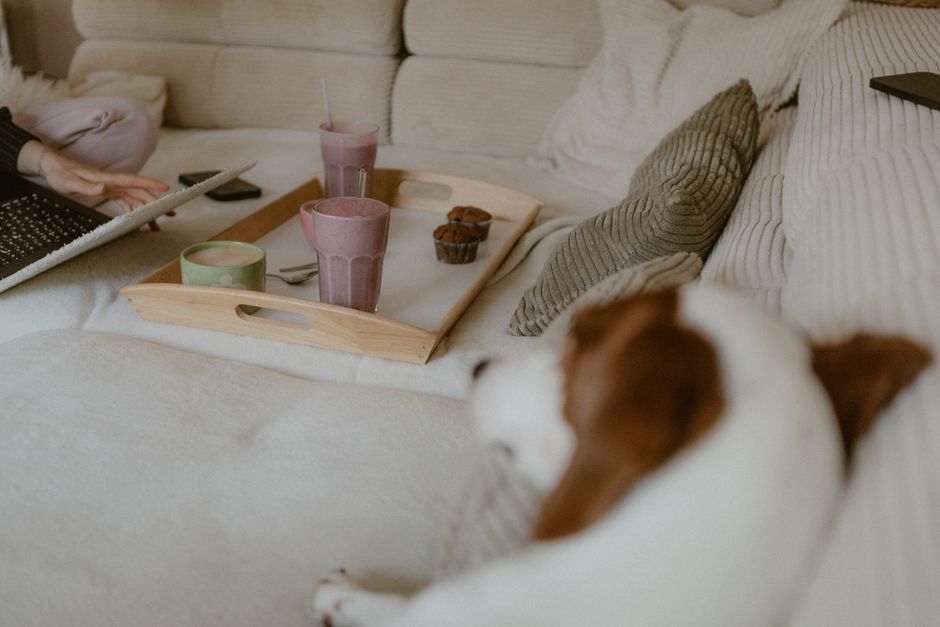
While the paint dried, Tom and I ate lunch in the kitchen. I noticed I had not even considered carrying a plate to the living room. There was no couch in there, but that was not the reason. I do not eat on that couch. I never have.
The kids ate on it, under protest and on a tray, and only for things like popcorn on movie nights. Anything with sauce stayed at the table. Anything with crumbs got a plate under it and a towel under the plate. Our oldest still does this at home and I did not teach it on purpose. I just lived it in front of them.
The reasoning is not mysterious. Spilled gravy on a couch you cannot replace is a disaster. Spilled gravy on a kitchen chair is a wipe.
The takeaway is that the couch rule was never about manners. It was about math, and the math became a manner.
Lamps do the work and the ceiling light stays off
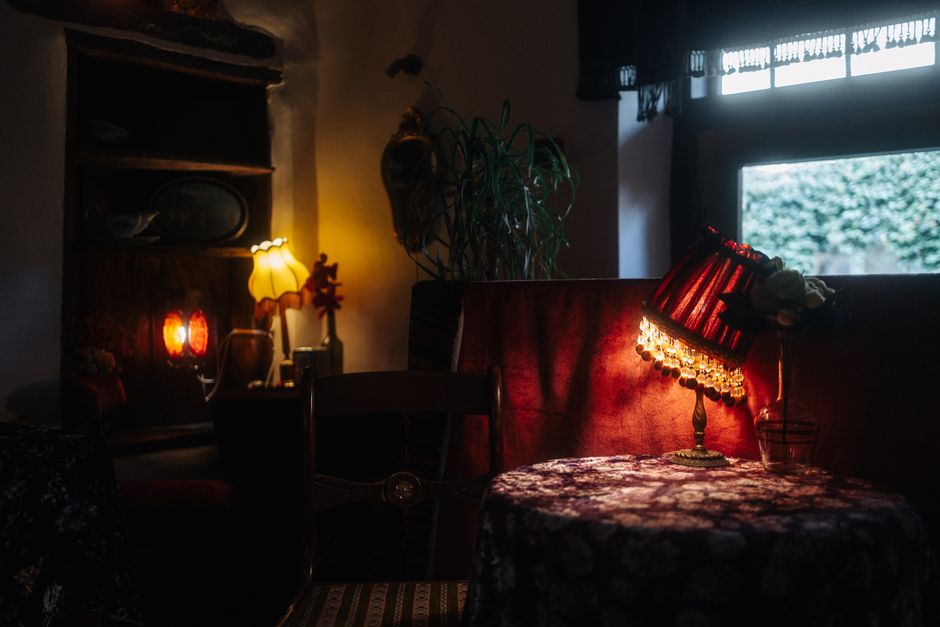
The ceiling fixture in our living room has two bulbs. One of them has been dead for about three years. Neither of us has replaced it because neither of us turns it on. We have three lamps. Lamps are the light.
When I was a girl, the overhead light was for cleaning and for finding something you dropped. Lamps were for living. Part of it was the electric bill. Part of it was that a lamp made a corner feel like somebody’s corner, and in a house with a lot of people and not a lot of rooms, a corner that felt like yours mattered.
Tom likes a lamp beside his recliner and nothing else on. I like the one by the window. When the kids visit they walk in and flip the overhead switch, and Tom and I both wince, and they laugh at us.
What that comes down to is a preference for small pools of light over one big flood, and I think that preference starts with the electric bill and ends up as comfort.
Sweaters live on the backs of chairs
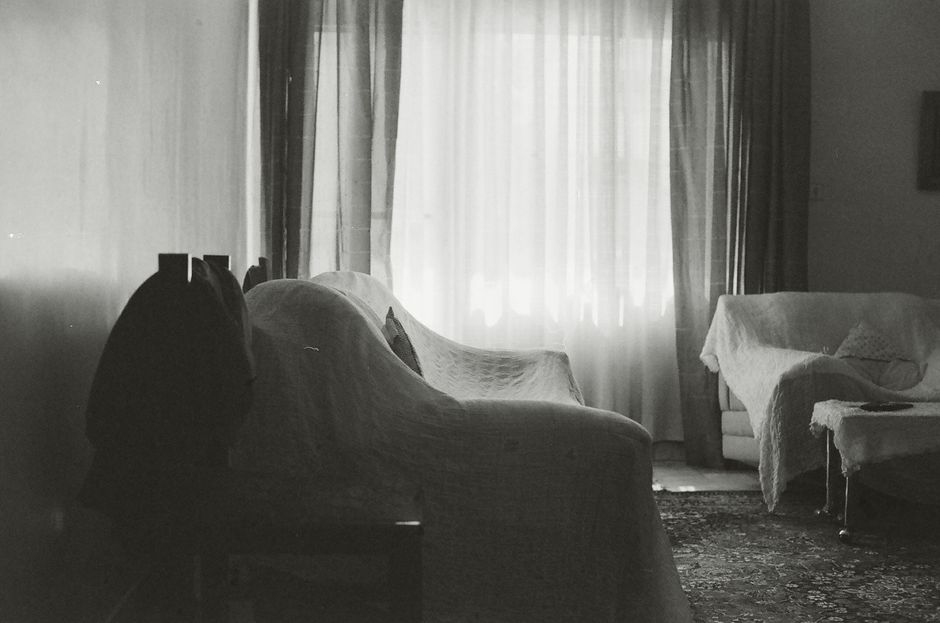
When we moved the chairs out of the living room, we found a cardigan on the back of one and a flannel shirt on the back of another. Tom’s shirt. My cardigan. They were not forgotten. They were stationed there.
The thermostat in our house is set where it has always been set, which is a few degrees lower than the kids would like in winter. If you are cold, you put on a sweater. That is the whole policy. I grew up with the same policy, and I suspect most people who grew up in careful houses did too.
Diane W., 57, from Rockford, Illinois, wrote that her mother kept a basket of afghans by the couch and would hand you one before she would touch the dial. Diane says she now keeps the same basket and her own kids roll their eyes at it.
The lesson is just this. Heat costs money and wool does not, and once you learn that at ten years old you do not unlearn it at sixty.
Furniture gets fixed before it gets replaced
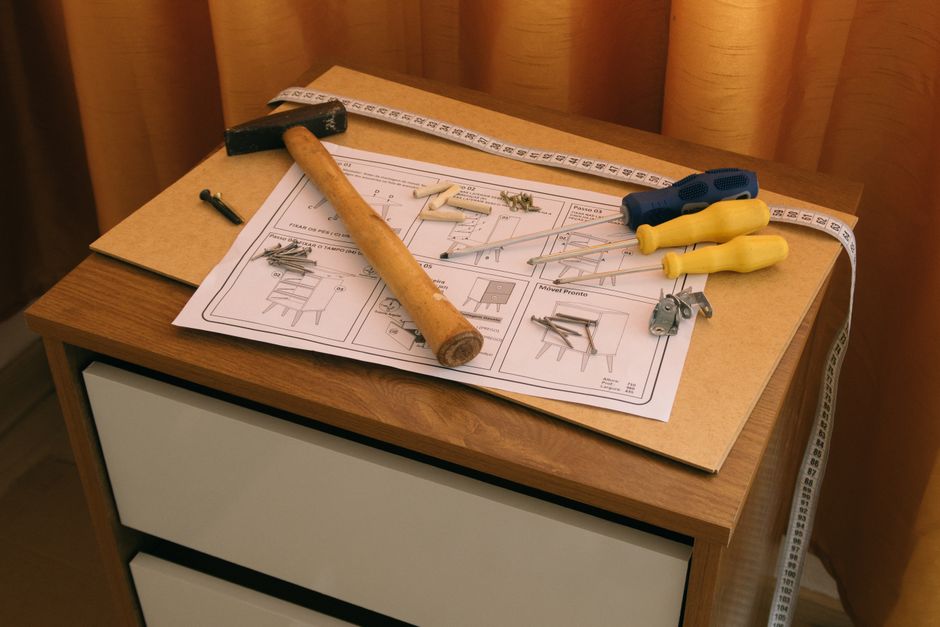
The end table has a leg Tom glued back on sometime in the nineties. The recliner has a spring he replaced himself. The coffee table has a chip on the corner that got a little stain and a little wax and is now, in Tom’s words, character.
Moving all of it into the hall, I counted the repairs. There were seven I could see and probably more I could not. None of those pieces is worth much. All of them are worth more to us than a new one would be, because every repair is a Saturday afternoon we remember.
The house I grew up in had a rule nobody said out loud. You did not throw out a thing that could be fixed. A wobbly chair got a shim. A torn cushion got a patch. New was for when old was truly gone.
The takeaway is that repair is a habit of the hands, and it comes from a time when replacing something was not on the table.
The coffee table holds the mail
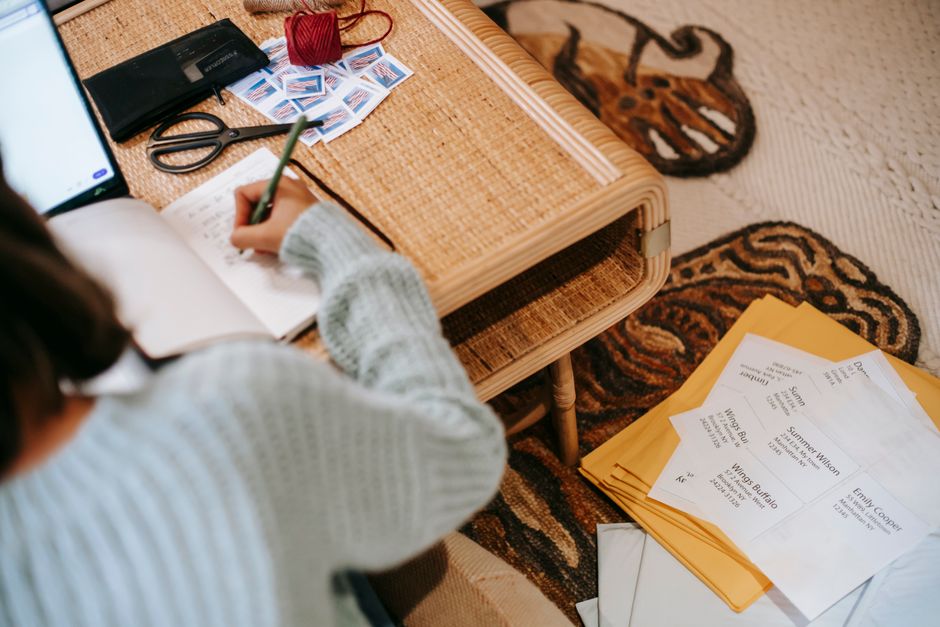
We lifted the coffee table and a small avalanche came off it. Catalogs, two bills, a church bulletin, a seed order form, and a birthday card for one of the grandkids I had not mailed yet. All of it had been sitting in a stack on the corner of the table for weeks.
I have tried to move the mail to the kitchen. It does not stay. The living room table is where the mail lands because that is where you sit down after walking in the door, and you sort it with the television on, and the bills go in one pile and the rest goes in another.
In the house I grew up in, the bills got opened on the coffee table and paid at the kitchen table. The coffee table was the waiting room. I did not realize I had copied that until I saw the stack on the floor.
The plain point is that in a careful house, money paperwork lives in plain sight, where it cannot be forgotten and cannot surprise you.
Coasters are the law
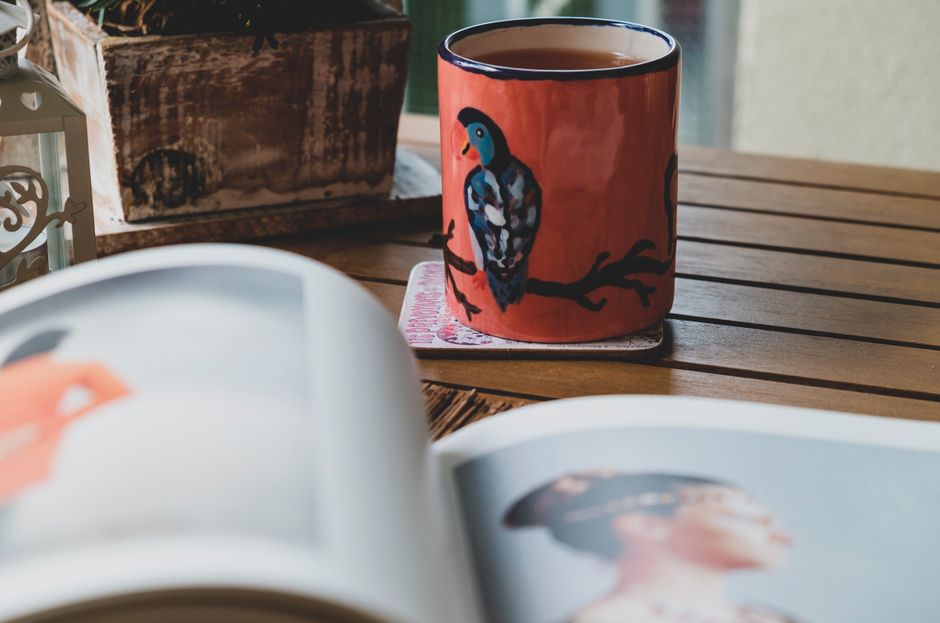
Tom stopped me before I set my coffee cup down on the newly painted windowsill. He did not say anything. He just handed me a coaster from the stack we had moved to the dining room. I took it without thinking.
We have maybe twenty coasters. Cork ones, tile ones, a set the grandkids made from bottle caps. There is one within reach of every seat in the living room. A cup without a coaster in this house is like a car without a seatbelt. It can be done. It feels wrong.
Ruth E., 64, from Lincoln, Nebraska, wrote that she once watched her son-in-law set a sweating glass on her end table and had to leave the room. She said she went and folded towels until she calmed down.
What the coaster means is that a water ring is permanent and furniture is not cheap, and that rule gets into your spine before you are old enough to understand why.
Shoes stop at the door
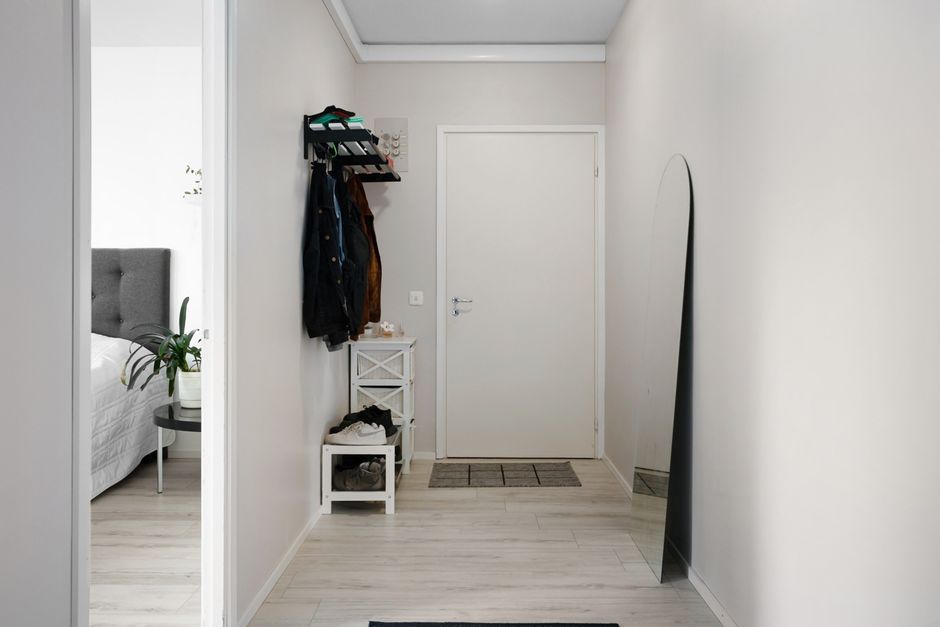
The carpet in the living room was in better shape than I expected for its age. Tom said it was because nobody walks on it in shoes. He was right. There is a mat by the front door and a row of shoes beside it, and that is where shoes stay.
This one I did not grow up with. Tom did. He brought it into the marriage and I fought it for about a year and then gave up, because the carpet looked better and the floors needed less mopping. The kids grew up with it and now they do it in their own homes, and their spouses have mostly surrendered too.
The thinking is plain. Carpet is expensive and cleaning it is expensive and you do neither if you keep the outside outside.
The takeaway is that a lot of living room rules are really floor rules, and floor rules come from people who could not afford to replace a floor.
Family pictures cover every flat surface
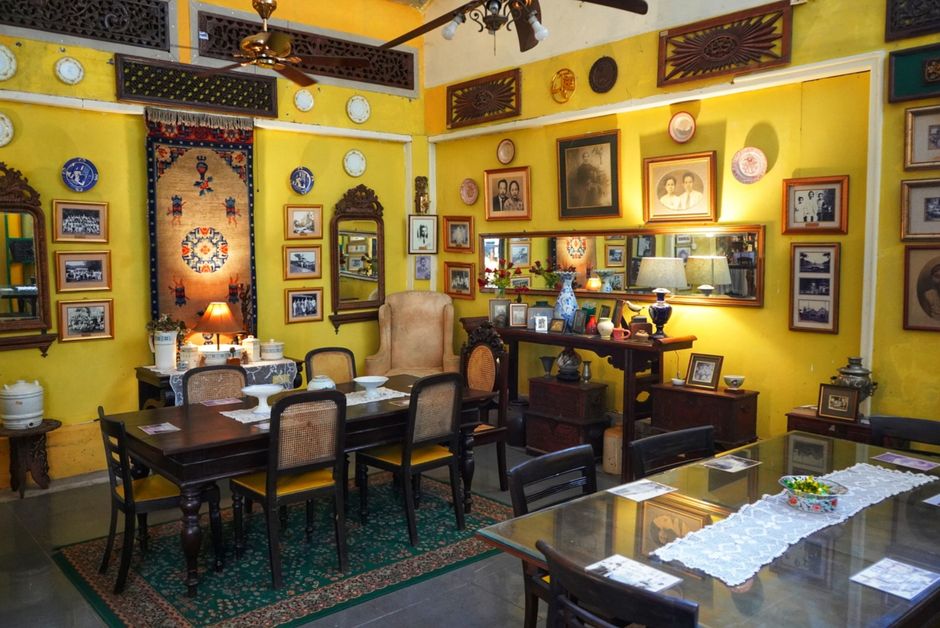
Clearing the end tables and the shelf above the television took longer than moving the furniture, because every surface had frames on it. Wedding pictures. School pictures of all three kids at every grade. The grandkids in frames the kids gave us. A picture of my mother in her kitchen.
I set them all on the dining table while we painted and the dining table disappeared. Tom counted. He got to forty and stopped.
In the house I grew up in, the living room was the family’s museum. You did not have art. You had people. The frames were cheap but the faces were not, and anybody who came in could see at a glance who mattered to that house.
The lesson is that when you cannot afford to decorate, you decorate with who you love, and that becomes the only decorating that feels right.
Curtains open with the sun and close with it
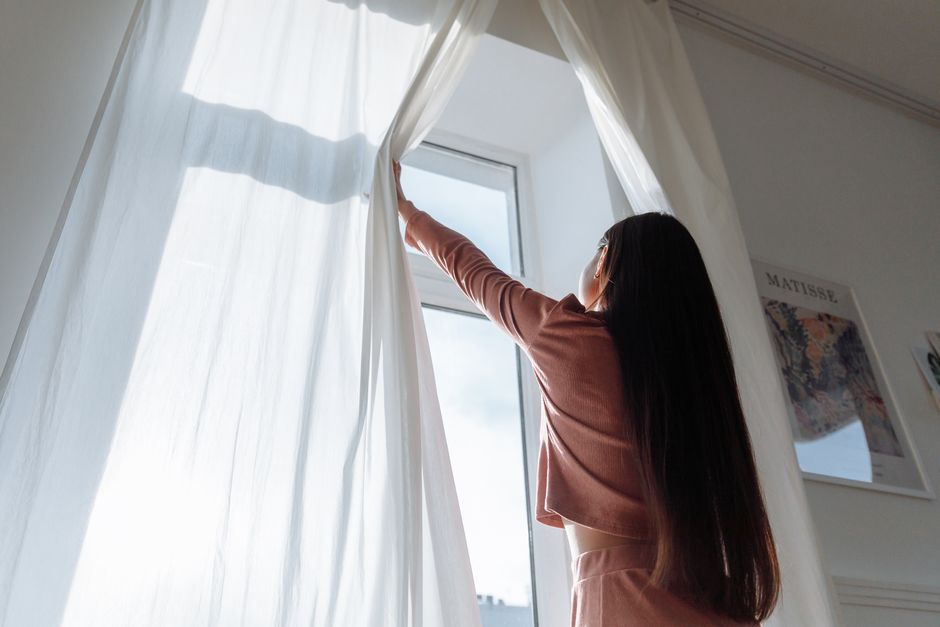
Saturday evening I went to close the curtains and realized there was nothing in the room to protect from the dark. Empty walls, drop cloths, wet paint. I closed them anyway.
Curtains in our house are on a schedule. Open in the morning for the light and the heat. Closed at dusk to keep the warm in and the cold out. In summer it flips. Closed during the hot part of the day, open at night. I did not invent this. Nobody I grew up with did either. It was just how a house ran.
Carol M., 61, from Fort Collins, Colorado, wrote that her husband calls her the curtain police. She said he used to leave them open at night and she would get up out of a warm bed to close them, and now he just does it to save her the trip.
What that habit really is, at bottom, is free insulation, and people who learned to run a house on a thin budget still use it even when the budget is not thin anymore.
A single chair belongs to a single person
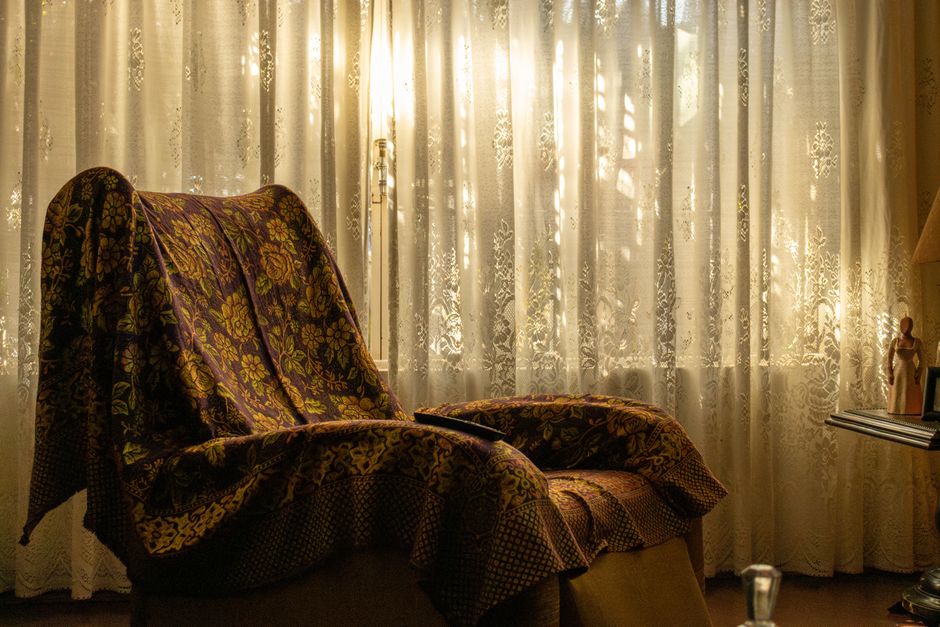
The recliner went back in the room first, before the couch, before anything. Tom put it exactly where it had been, facing the television, lamp beside it. He did not ask me. He did not need to. That chair has been his since we bought it, and before that the old one was his, and I have sat in it maybe a dozen times in thirty years, usually when he was out of town.
In the house I grew up in, there was a chair that belonged to the man of the house, and you got out of it when he came in. Nobody said that rule. Nobody needed to. It was the one comfortable chair, and in a house with one comfortable chair, the person who worked the longest day got it.
My kids find this funny. They think it is old-fashioned. It is. It is also a small way a family says somebody is tired and we see it.
The takeaway is that when there is only one good seat, the family decides who needs it most, and that decision turns into a tradition.
The room gets picked up before company sees it
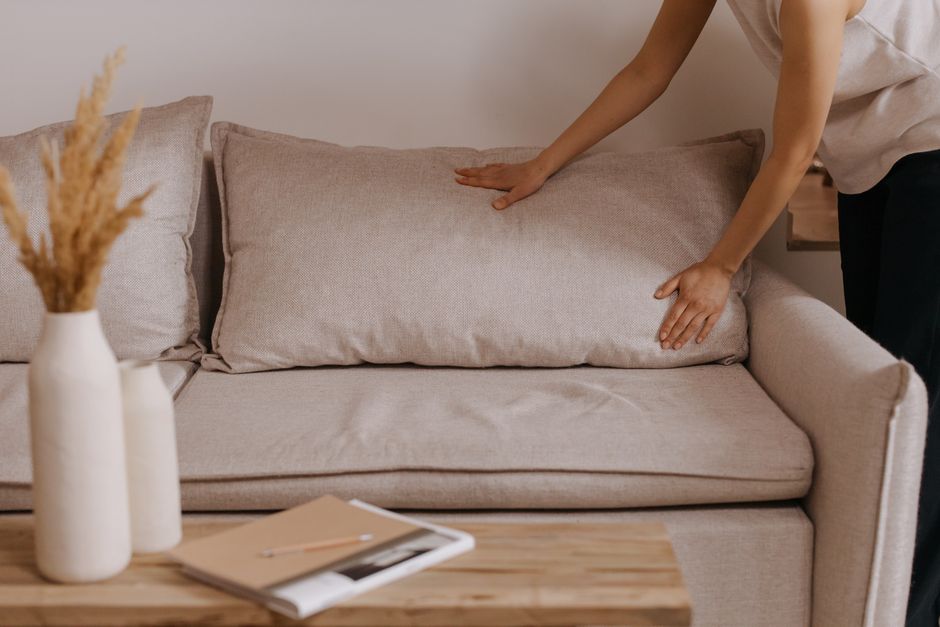
Sunday afternoon our oldest called to say they might stop by with the grandkids on the way home from somewhere. I looked at the living room. Paint cans, drop cloths, a ladder, furniture crammed in the hall. I said come on over, and then I spent forty minutes making a room with no furniture in it look presentable.
Tom laughed at me. He also carried the ladder to the garage without being asked.
I grew up in a house where the living room was always ready for someone to see it. Not because anyone was coming. Because someone might. The kitchen could be a mess. Bedrooms could be a disaster. The living room was the face of the house, and the face got washed.
The plain point is that when a family does not have much, the living room is proof they have enough, and keeping it ready is a kind of dignity.
Vacuum lines mean the job is done
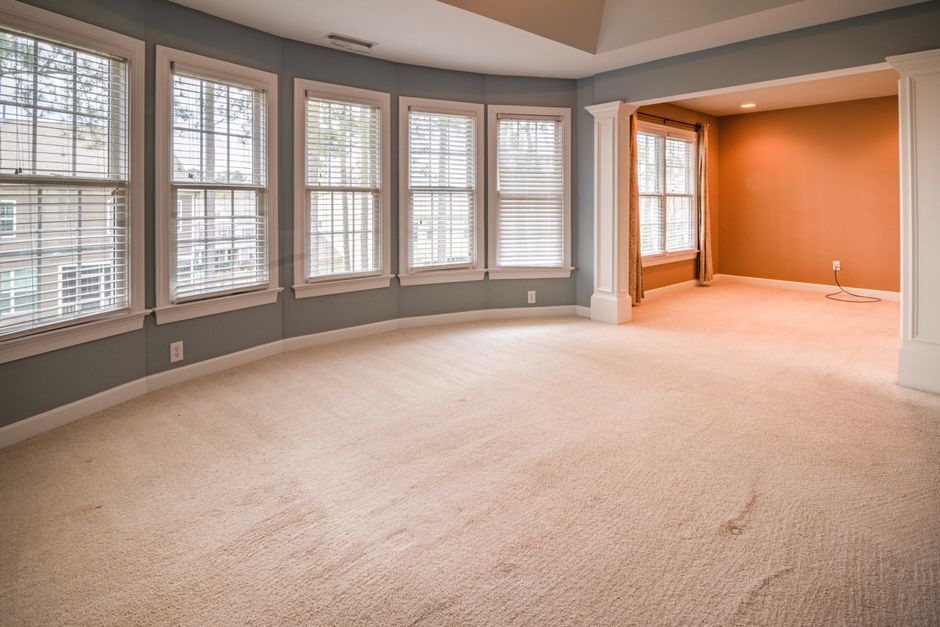
By Sunday night the paint was dry and the furniture was back and Tom ran the vacuum. He went in straight lines, wall to wall, the way you would mow a lawn. When he finished, the carpet had stripes in it, and he stood at the doorway and looked at the stripes the way he looks at the yard after he rakes it.
I do the same thing. I like the lines. The lines mean the room is clean and nobody has walked on it yet. In the house I grew up in, vacuum lines on a Saturday morning meant the weekend had officially started. You did not step on them until you had to.
Marlene S., 61, from Fort Wayne, Indiana, told me she still backs out of the living room after she vacuums so the last thing she sees is a perfect carpet. She said her grandkids think it is the funniest thing they have ever watched.
The lesson is that in a careful house, clean has to be visible, because it is one of the few things you can show off for free.
The best thing in the room is the thing with a story
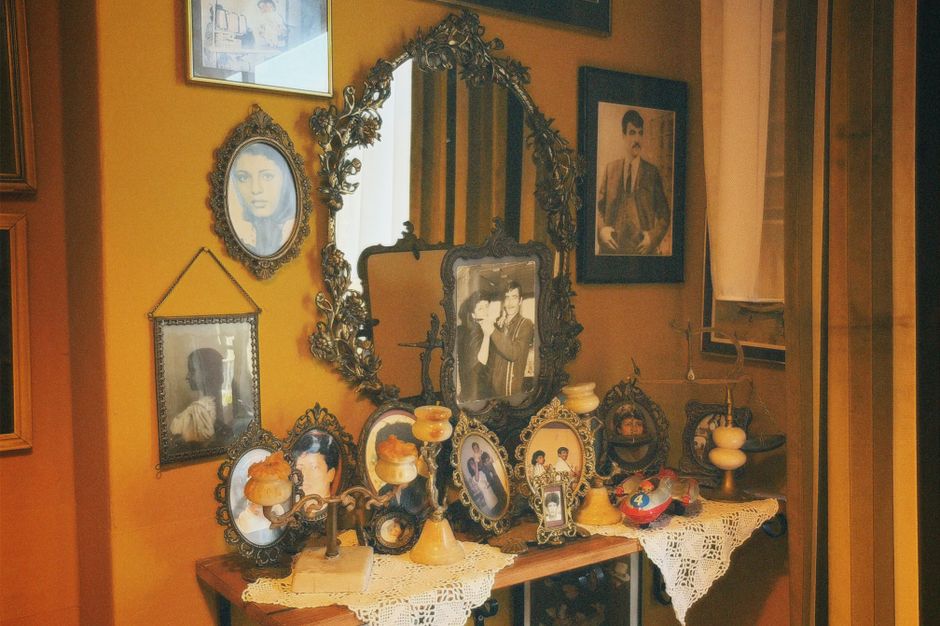
The last piece Tom carried back in was a small wooden table that sits by the window. It is not much to look at. It is scratched on top and one leg is shorter than the others. It was in the house I grew up in, and before that I do not know where it was. It has never been worth anything. It is the first thing I would carry out in a fire.
Tom set it down by the window and put the lamp on it and stepped back. The room looked the same as it had before, just a little brighter. All the furniture in its old places. All the habits back where they belonged.
I think every living room from a careful house has one piece like that table. Not the nicest thing. The thing that has been there the longest. Nobody who comes in would notice it. Everybody who lives there knows exactly what it is.
The takeaway is that in a house that could not buy much, what got kept was what meant something, and meaning became the only thing worth keeping.
By Monday morning the room smelled like paint and the pad on the counter had fifteen habits on it in my handwriting. Tom read the list with his coffee and said he recognized every one, and then he said he was not changing any of them. I told him I had not planned to ask.
A lot of these habits started out as rules about money. Cover the couch. Close the curtains. Use the coaster. Fix the chair. Over thirty years in one house, they stopped being about money and started being about us. The room is paid for. The couch could be replaced. We still cover it, because that is what the people who raised us did, and it turns out we were paying attention.
I would like to know which of these are in your living room, and which one your kids tease you about the most. What is the habit you cannot explain but will not give up?
Keep Reading