Apologies Your Adult Children Still Need to Hear from You
Our oldest said something to me at Sunday dinner this winter that I have not been able to shake. We were clearing plates. Tom had taken…

Our oldest said something to me at Sunday dinner this winter that I have not been able to shake. We were clearing plates. Tom had taken the grandkids out to the garage to look at something. The kitchen was quiet for a minute. I made a small joke about a mess from years back, the kind of joke I have made a hundred times. My oldest set down a stack of plates and said, “You know you never said sorry for that, right?” Then the grandkids came back in and the moment passed.
It did not pass for me. I lay awake that night running back through thirty years of raising three kids. I thought about all the things I had explained, defended, or laughed off. I thought about the few things I had actually apologized for. The list of apologies was very short. The other list was not.
So I bought a cheap spiral notebook at the drugstore and I started writing things down. Then over the next six weeks I made the calls. One apology at a time, one kid at a time, sometimes in person and sometimes on the phone with my hand shaking a little. Here are the ten that mattered most. I share them because I suspect your list looks a lot like mine.
For comparing them to each other
The first one I wrote down was the easiest to name and the hardest to say out loud. I compared my kids. Not in a cruel way, I told myself. Just in the normal way. “Your brother never had trouble with math.” “Your sister always calls on Sundays.” I thought I was giving them a standard to reach. What I was giving them was a reason to resent each other.
I called our middle one on a Tuesday night. Tom was watching the news in the other room. I said, “I spent a lot of years holding you up against your siblings, and that was not fair to you.” There was a long pause. Then my middle one said, “I thought you did not notice you were doing that.” I said I had not noticed. I said that was no excuse.
The takeaway is simple. Your kids heard every comparison, even the ones you thought were harmless.
For not believing them
When our youngest was in grade school, there was a teacher who was unkind. My youngest came home more than once and told me. I nodded, said something about how teachers have hard jobs, and sent my child back the next day. I found out two years later from another parent that the teacher had been a real problem. I never went back and said anything to my own kid about it.
This apology I made in person. My youngest was home for a weekend and we were walking out to the mailbox. I said, “I did not believe you about that teacher. You told me the truth and I treated it like a complaint.” My youngest laughed a little and said, “That was a long time ago, Mom.” Then, quieter, “But yeah. That one stuck.”
Here is what I learned. When a child tells you something is wrong and you brush it off, the lesson they take is to stop telling you.
For saying sorry the wrong way

I have said “I’m sorry you feel that way” more times than I can count. I thought it was an apology. My kids knew it was not. It put the problem on them, on their feelings, and left me clean. Tom pointed this one out, actually. He was at the table while I was working on my notebook and said, “You might want to add the way you apologize.”
I thought about arguing with him. Then I remembered the last time I had said it to our oldest, over the phone, about a holiday plan that fell apart. I called back a few days later. I said, “I told you I was sorry you felt that way. What I should have said is that I was sorry I did that. I was wrong.” My oldest said, “Thank you for saying it like that.” That was all. It was enough.
A real apology names the thing you did. It does not name the way they reacted.
For what I said about their partner

Early on, when our middle one brought a serious partner home for the first time, I had opinions. I shared them. Not to the partner, of course. To my kid, in the car, in the kitchen, in little side comments that I thought were helpful. “Are you sure that’s the kind of person you want around?” That sort of thing. The relationship went on for years, and I kept it up.
I did not call for this one. I waited until my middle one was at the house helping me move a dresser. When we set it down I said, “I said things about your partner that were not mine to say. I made you defend someone you loved to your own mother. I’m sorry for that.” My kid sat down on the edge of the bed and did not say anything for a bit. Then, “I never told them what you said. I did not want them to think less of you.” That is the kind of thing that knocks the wind out of you.
Your grown child chose the person they chose. Your job is to make room at the table, not to grade the choice.
For treating their home like it was still mine
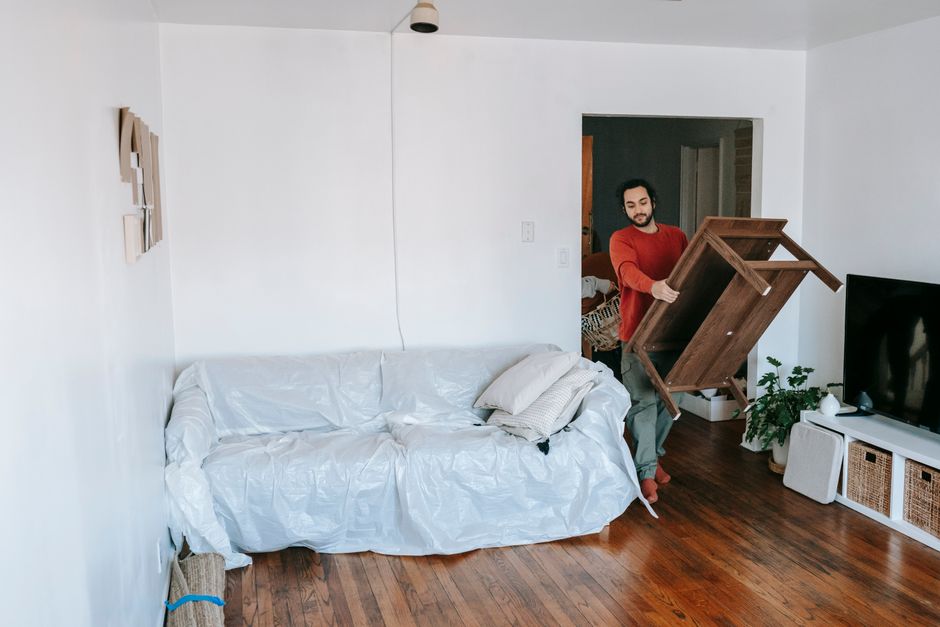
When our oldest got a first apartment, I had a key. I used it. I would stop by with groceries, rearrange the pantry, leave a note. I thought I was being a good mother. One day I walked in and my oldest was sitting on the couch with a friend, and the look on that face told me everything. I stopped using the key after that, but I never acknowledged what I had been doing.
This apology I made over coffee at my own kitchen table, when my oldest came by on a Saturday. I said, “I walked into your place like I lived there. I did not respect that it was yours.” My oldest said, “I used to hide things before you came over. Not bad things. Just things I did not want to explain.” I did not know that. I should have known that.
Your child’s home belongs to them. Knock, call first, and wait to be asked in.
For making my worry their job

The phone calls. Oh, the phone calls. When our youngest left for college and the house got quiet, I called too much. And when I did not get an answer, I called again, and then I called Tom to ask if he had heard anything, and then I sent a message that said “just checking you’re alive.” I told myself it was love. It was love. It was also a weight I put on a nineteen year old who was trying to figure out how to do laundry and make friends.
I said this one over the phone, which felt right. I said, “I made you responsible for my worry. That was mine to carry, not yours.” My youngest said, “I used to feel guilty every time I was out having fun and saw your name on the screen.” I thought about all the times I thought I was being ignored. I was being avoided. There is a difference, and the difference was me.
Your worry is real and it is yours. Do not hand it to your child to hold.
For what they overheard
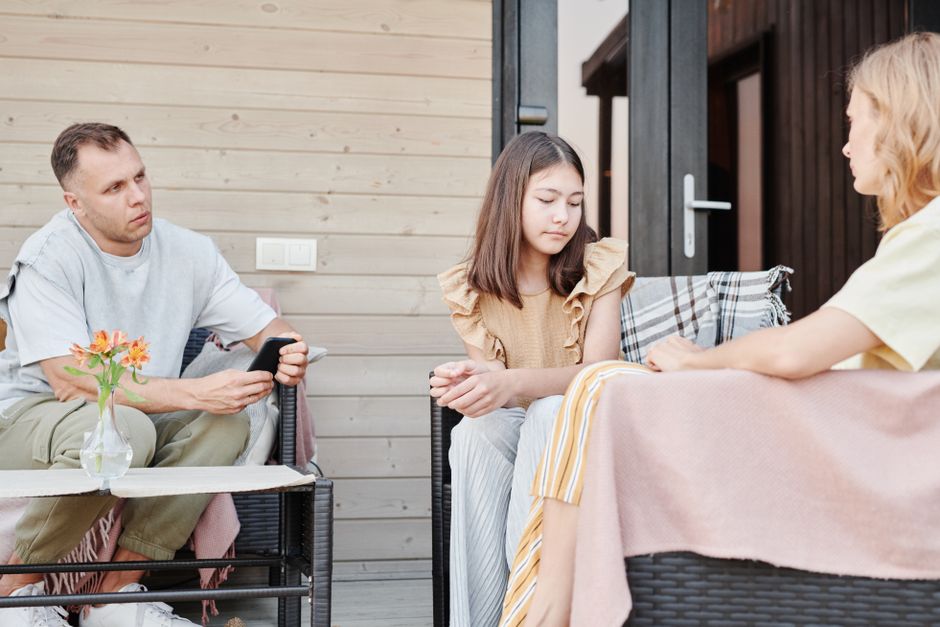
Tom and I have had our share of fights. Most of them were ordinary. Money, time, who was supposed to do what. But we did not always keep them quiet. More than once our kids were upstairs, or in the next room, and they heard it all. We never talked about it afterward. The next morning there were pancakes and everything was fine, as far as we told them.
This one I did with Tom sitting next to me. We had all three kids on the phone at once, which was a little clumsy, but it mattered that he was there. I said, “You heard us fight more than you should have, and we never explained or said we were sorry. We should have.” Tom said, “I’m sorry too.” Our middle one said, “I used to sit on the top step and count how long it lasted.” I did not know there was a top step kid. I thought they were asleep.
Kids hear more than you think. If they heard the fight, they should also hear you own it.
For the recital I left early
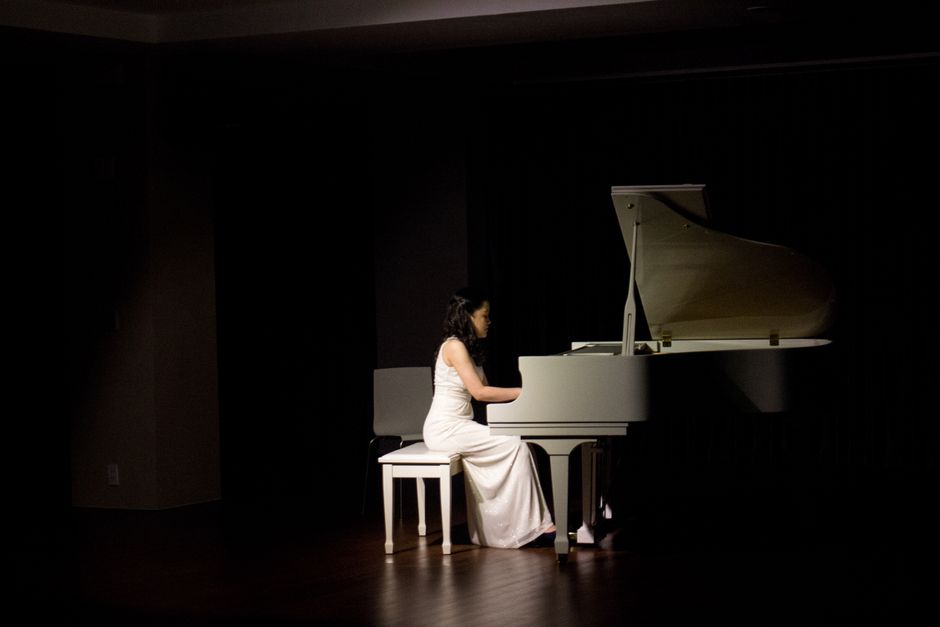
Our oldest had a recital in middle school. I had a work thing the next morning, I was tired, and I slipped out after my kid’s piece was done. I thought it was fine. My kid had played, I had watched, what more was there. Years later it came up at a family dinner and my oldest said, casually, “Mom left before the end. I looked for her at the reception and she was gone.” Everyone laughed. I laughed. It was not funny to me that night, and I do not think it was funny to my oldest either.
I brought it up on a walk. I said, “I left your recital early and I never apologized. You looked for me and I was not there.” My oldest said, “It was one recital.” I said, “It was the one you remember.” We walked a bit. Then my oldest said, “I remember the ones you stayed for too.” That was a gift I did not earn.
Being there until the end is the whole point. Half of the way there does not count the same.
For deciding who they were
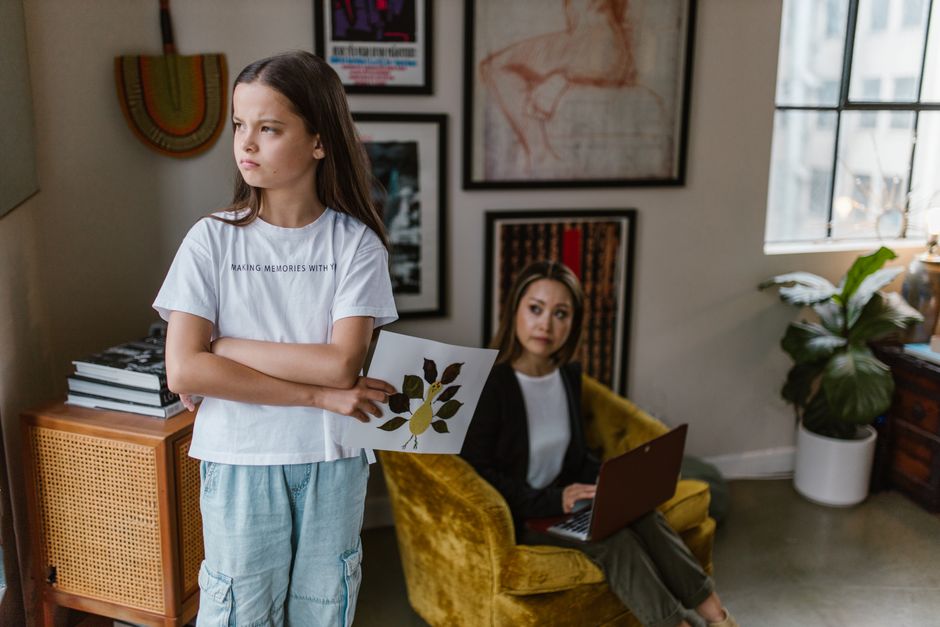
I called our middle one “the shy one” for about fifteen years. To relatives, to teachers, to neighbors. Sometimes in front of my kid. It was true for a while. Then it was not true, and I kept saying it. I think it was easier for me to have each kid in a box. The smart one, the shy one, the easy one. I did not think about what it is like to grow up inside a label your mother picked when you were six.
I told my middle one over the phone. I said, “I called you shy long after you stopped being shy. I decided who you were and did not let you change.” My middle one said, “I am still a little shy.” I said, “You get to say that. I do not.” We both laughed, and then my kid said, “It would have been nice to hear you say something else about me sometimes.” I have been trying to since.
Your kids are allowed to grow into people you did not predict. Let the old labels go.
For needing them to fill the quiet
The last one I wrote down was the newest. When the house emptied out, I leaned on my kids to fill it. I wanted weekend visits. I wanted long calls. I got a little sharp when they had other plans. I dropped hints about the grandkids and how much they would love to see Grandma. Tom saw it before I did. He said one night, “You are asking them to be your whole life. They have their own.”
I made this apology to all three of them, separately, in the same week. The words were about the same each time. “I made you responsible for my empty house. That was not your job. I should have filled it myself.” Our oldest said, “I did feel it, Mom. Every time I said no to a visit.” Our youngest said, “I thought you were lonely and I did not know what to do about it.” I have signed up for two things at the community center since then. I am not telling my kids about either one. The quiet is mine to handle.
Your children left because you raised them to. The space they left is yours to fill, not theirs.
What the notebook looks like now
The spiral notebook is still on the counter. The pages are a little stained from coffee. Ten apologies, each one crossed off in pen, with the date next to it. I have not thrown it out. I keep thinking I will find something to add, and I probably will. Thirty years is a lot of years to get things wrong in.
What surprised me most was how little my kids wanted from these conversations. Nobody needed me to grovel. Nobody made a speech. Mostly they said some version of “thank you” and “I remember” and then we talked about something else. The relief, I think, was mine more than theirs. They had carried these things for years. I had just never picked up my end.
Tom asked me last week if I was done with the list. I said I was done with the ones I knew about. The ones I do not know about, I will have to wait for my kids to tell me. The difference now is that I think they might. What is the one thing your grown child is still waiting to hear you say?
Keep Reading