Surprising Things You Shouldn’t Clean with a Pressure Washer
The pressure washer came home in the back of Tom’s truck on a Saturday in April. Our youngest had been gone at college since the fall.…
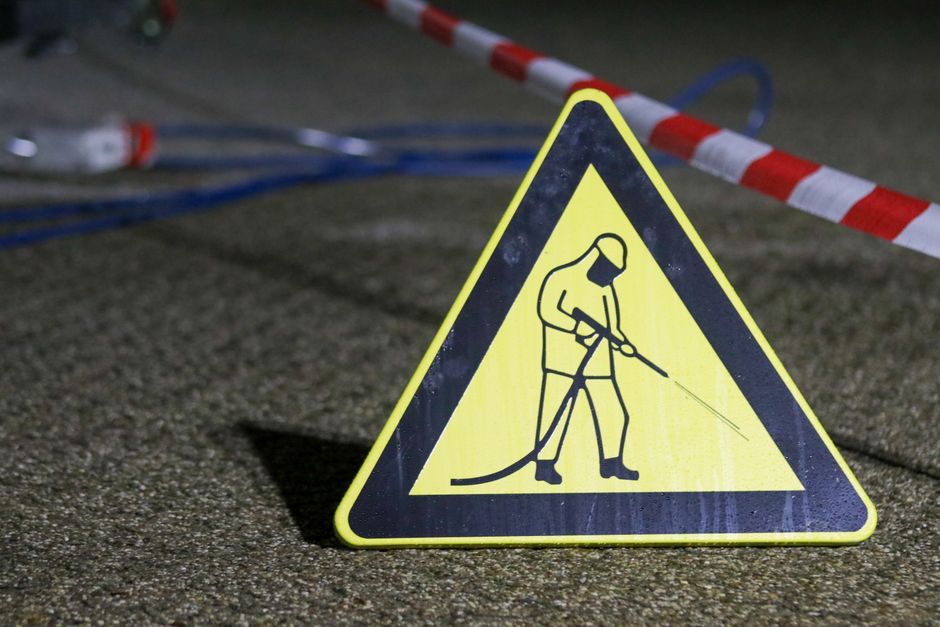
The pressure washer came home in the back of Tom’s truck on a Saturday in April. Our youngest had been gone at college since the fall. The house was quiet. Tom had been circling the hardware store for weeks like a man who needed a project. He found one.
He set it up on the driveway and pulled the cord. The thing roared. He pointed it at the front walk and a line of gray grime peeled off like old paint. I will admit it was satisfying to watch. I stood on the porch with my coffee and thought this might be the best thing he ever bought.
By August I had a different opinion. Over one spring and summer we learned that a pressure washer does not know the difference between dirt and the thing under the dirt. We learned most of it the hard way. I also asked readers of this blog to send in their own pressure washer stories, and a few of those are in here too. Here are eight things we will not point that wand at again.
The car in the driveway
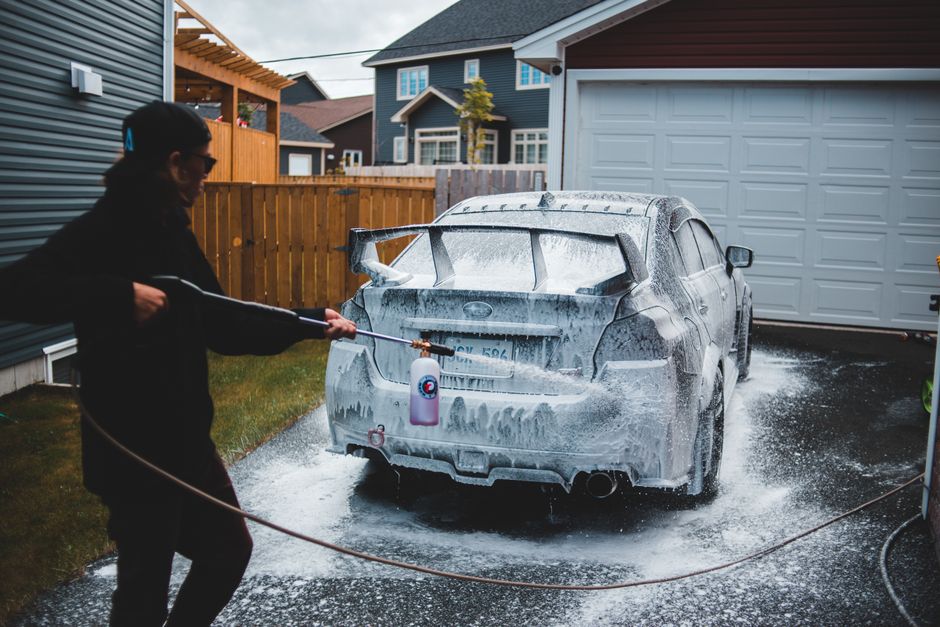
The first week Tom washed everything that stood still. The walk, the steps, the garage door, the trash cans. Then he looked at my car. It had a winter of road salt on it and a line of mud along the bottom. He said he would save me a trip to the car wash.
I went inside to start supper. When I came out the car was shining. It was also missing a strip of clear coat along the driver’s door. There was a dull patch the size of a dinner plate. He had stood too close with the narrow tip and the paint simply gave up. The next day I found a chip near the rear wheel where the spray had lifted an old rock scratch into a bare spot.
A reader named Barbara N., 61, from Dubuque, Iowa, wrote that her husband did the same thing to the hood of their truck. She said the car wash would have cost eight dollars. The paint shop cost a lot more than that.
Tom now uses a bucket and a sponge on the cars. He grumbles about it but he does it.
The takeaway is this. A garden hose and a sponge will not peel paint, and a pressure washer will.
The deck boards out back

Our deck is cedar. Tom built it the summer our middle one turned ten. It has gone gray and soft in spots, the way cedar does. In May Tom decided it needed to look new again before the kids and grandkids came for a cookout.
He started at the far corner and worked toward the house. The first few boards came up clean and bright. Then I noticed the surface of the wood looked fuzzy. He had blasted the soft summer wood right out from between the hard grain lines. The boards were raised and splintered. When the grandkids came over two weeks later, one of them got a splinter in her foot inside of ten minutes. I pulled it out at the kitchen table with tweezers while she watched the clock on the stove.
We ended up sanding the whole deck that July. Tom did most of it. I held the shop vacuum and told him it looked fine, which was not true until the second coat of stain.
The takeaway is this. Soft wood cannot stand up to a hard stream, so scrub it with a brush and a deck cleaner instead.
The shingles on the roof
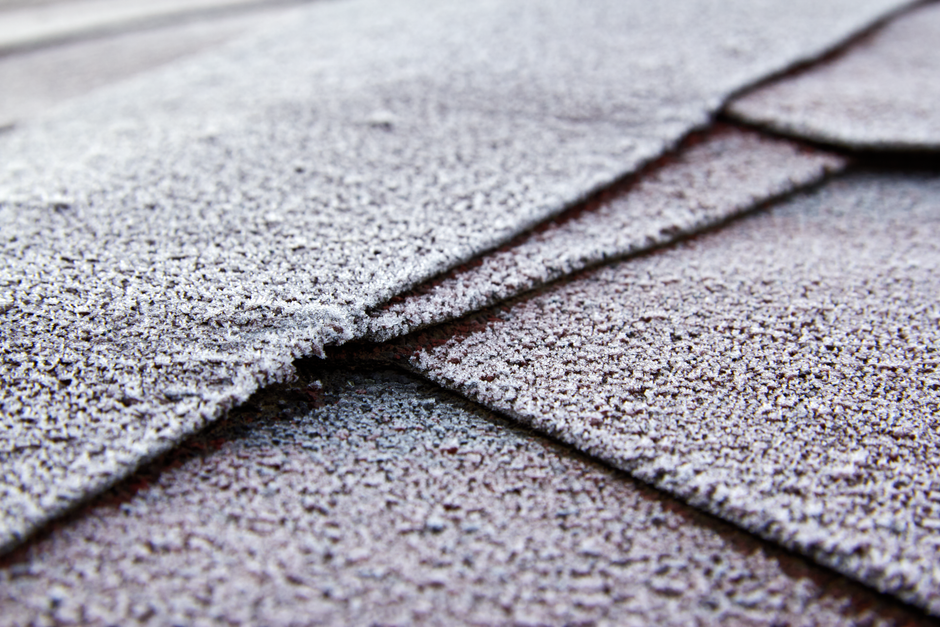
This one still makes my stomach tighten. We had a line of green on the north side of the roof where the maple shades it. Tom saw a video of a man cleaning moss off a roof with a pressure washer. He did not see the part where the man was a professional with a harness.
He got the extension ladder out on a Sunday morning. I told him to wait for the kids to come help. He said he would just do the low edge. He stood on the ladder and sprayed up under the shingles. Water went where water should not go. A week later we had a water stain on the ceiling of the upstairs bathroom. Our oldest came over and climbed up to look. Three shingles had lifted. The grit was gone off a dozen more, scattered in the gutter like sand.
The roofer who came out was kind about it. He said he sees it every summer. He also said that a pressure washer on a roof shortens its life by years, even when nothing lifts. The granules that protect the shingle from sun wash right off.
Tom now treats the moss with a spray from the garden store and lets the rain do the rest. The ladder stays in the garage.
The takeaway is this. Never spray a roof, because water forced under the shingles ends up in your ceiling.
The window screens
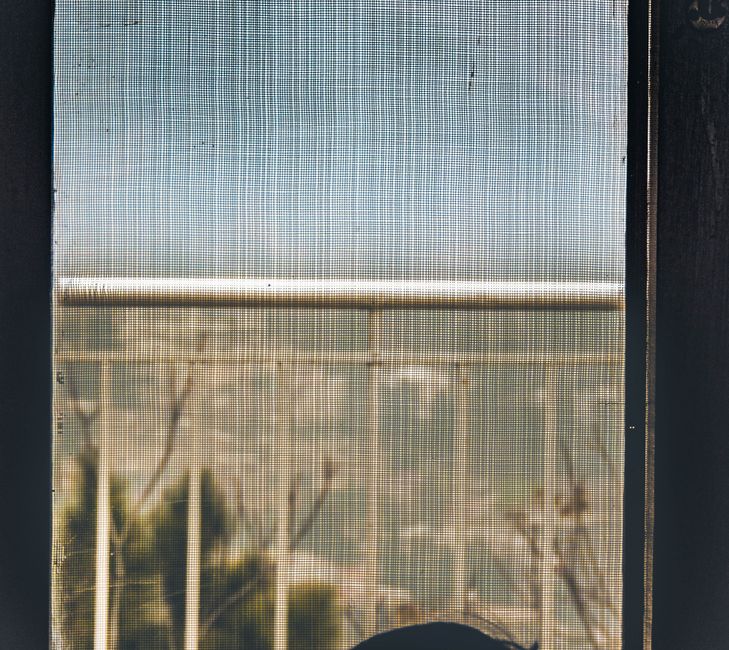
This one seemed harmless. The screens were full of pollen and the dust of a whole spring. Tom lined them up against the fence and gave each one a quick pass. He was proud of how fast it went.
He was a little less proud when he went to put them back in. Two screens had holes punched clean through the mesh. Three more had pulled loose from the frame on one side. The spray had stretched the screen out of its groove like a sock heel. The one from the kitchen window had a dent in the aluminum frame where he had set the wand down on it.
I did not say anything. I just set the rolled screen repair kit on the counter next to his coffee the next morning.
Denise W., 58, from Erie, Pennsylvania, wrote that she sprayed her screens and then spent the whole summer listening to flies in the kitchen. She said she did not find the holes until she went to put them in storage in October.
The takeaway is this. Lay screens flat and rinse them with a hose, because mesh tears easier than you think.
The old brick by the back door

Our back stoop is the original brick from when the house was built. The mortar is sandy and crumbly, the way old mortar is. Over the years it had grown a coat of black mildew in the shade. Tom thought a quick spray would make it look like the day we moved in.
It did look clean. It also looked different. Chunks of mortar were gone from between half the bricks on the lowest step. One brick on the corner wobbled when I stepped on it. The spray had cut the mortar right out of the joints. A few bricks had a pale, rough patch where the hard face had chipped off and the softer inside was showing.
I found myself thinking about my mother, who scrubbed her stoop with a brush and a bucket of water with a little bleach in it every spring. She never had a loose brick in her life. I never understood why she bothered with the brush. Now I do.
Tom went to the hardware store for a bag of mortar mix. Patching joints is not a job he enjoys. He said so several times.
The takeaway is this. Old mortar is softer than the dirt on it, so scrub old brick by hand.
The air conditioner unit
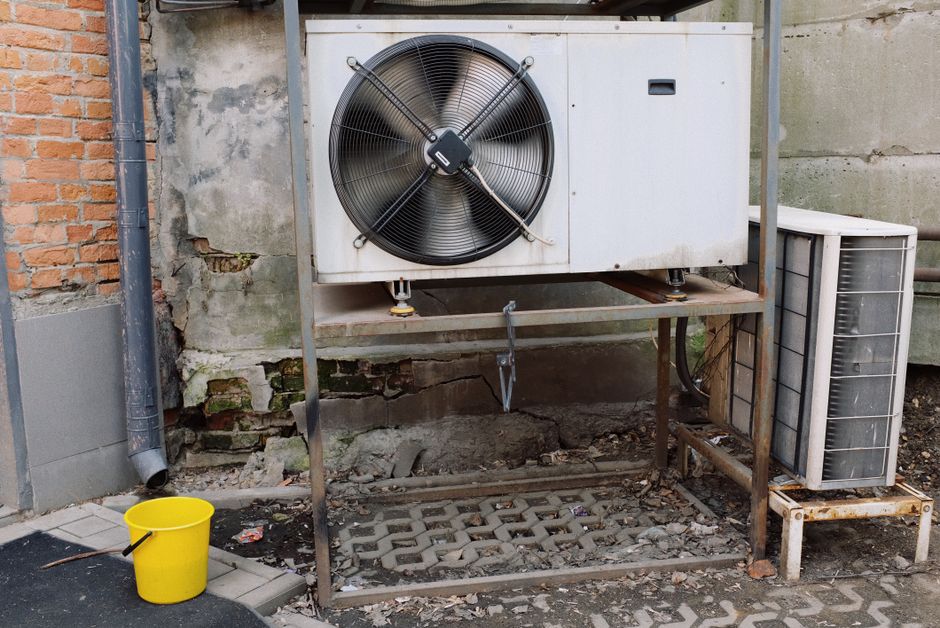
By June the air conditioner was running every afternoon. Tom read that cleaning the outside unit helps it run better. That part is true. He also decided the pressure washer was the right tool. That part is not.
He pulled the breaker, which I give him credit for. Then he sprayed the sides of the unit at close range. The thin metal fins that run around the outside folded flat in a wave shape, like a comb that someone sat on. The unit ran, but it could not breathe. The upstairs stayed warm for a week.
The repairman came out and spent an hour with a little plastic tool straightening the fins one row at a time. He told Tom that a garden hose with a gentle spray is all that unit ever needs. He said it in the voice of a man who has said it before.
Tom asked him how much the fin comb costs. The repairman said about ten dollars. Tom bought one the next day and keeps it on the shelf above the washer. He has not needed it since, because he has not sprayed the unit since.
The takeaway is this. Rinse the outside of an air conditioner with a gentle hose only, because the fins bend at the first hard push.
The wicker chairs and the cushions

We have two wicker chairs on the front porch that my sister gave us when she moved. The cushions are striped and faded and I like them that way. In July they had a layer of pollen and a few bird marks, and I asked Tom if he could freshen them up. I meant with the hose.
He heard what he wanted to hear. He set the cushions on the lawn and the chairs on the walk. The cushions soaked through in seconds. The stripes went pale in streaks where the spray cut the color. The seam on one of them split open and the foam came out like bread dough. The wicker fared worse. The spray snapped loose strands on both arms and lifted the paint underneath. By evening the chairs looked like something you would leave at the curb.
Carol P., 64, from Toledo, Ohio, wrote that she did the same thing to a set of patio cushions. She said the water never fully dried out of them. They smelled musty for the rest of the summer and she threw them away in September.
I rinsed the chairs with the hose and let them dry for two days. Then I stitched the cushion seam at the kitchen table one night while Tom did the crossword. He did not ask what I was sewing. He knew.
The takeaway is this. Fabric and wicker soak and snap under pressure, so stick to a hose and a soft brush.
The gas grill
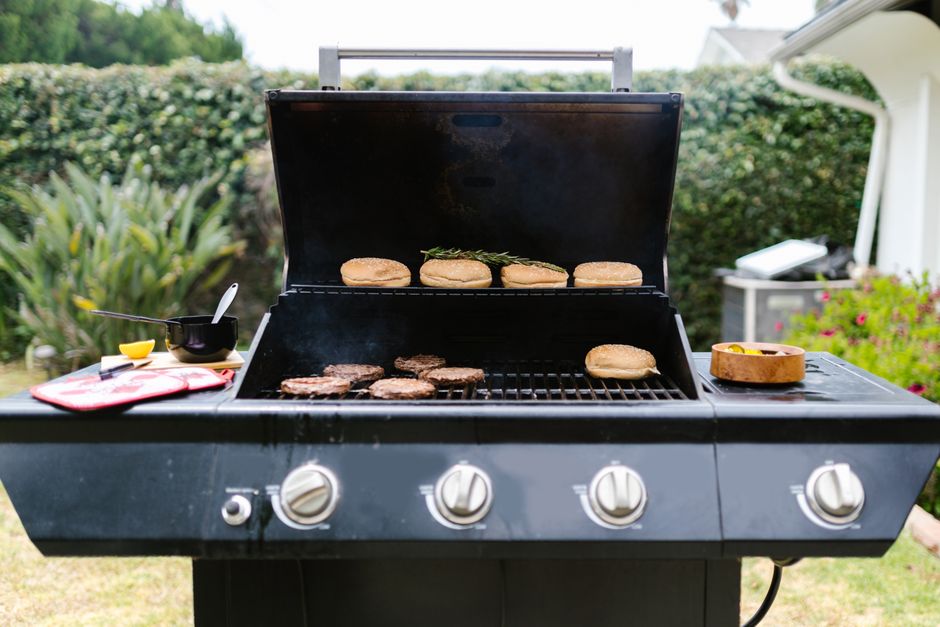
This one happened in August, right before a weekend when all three of our kids and the grandkids were coming for burgers. The grill had a year of grease on it. Tom wanted it to look sharp. He rolled it out to the driveway and took the pressure washer to it.
The outside came clean. The inside was the problem. The spray pushed grease and ash down into the burner tubes and the ignition. It also soaked the knobs and the little electric starter. On Saturday the grill would not light. Tom stood over it with a long lighter and a lot of patience. Our oldest finally got it going. One burner never did catch. The heat was uneven and half the burgers took twice as long as the other half. Nobody went hungry, but the grandkids ate a lot of chips while they waited.
The next week Tom took the burners out and cleaned them with a wire brush and a toothpick. It took him an afternoon. He said the washer had taken five minutes to make a mess that took four hours to fix.
The takeaway is this. A grill needs a scraper and a brush, not a flood that pushes grease where the fire lives.
The pressure washer still lives in the garage. Tom still uses it, and he still likes it. It is the right tool for the driveway, the front walk, the siding on a low setting, and the trash cans. It is the wrong tool for most of the other things he tried that summer. We now have a rule. Before he sprays anything new, he asks me, and I tell him no, and then we talk about it.
I will say this for that summer. It gave us something to do together in a quiet house. We argued about the deck and sanded it side by side. We sewed and patched and straightened fins and waited for the roofer. It was not romantic. It was just the two of us fixing the things we broke, which is most of what thirty years of marriage looks like anyway.
What have you ruined with a pressure washer, and did your spouse ever let you forget it?
Keep Reading