Crockpot Mac and Cheese (Extra Creamy, Uncooked Noodles)
Dry elbow noodles, freshly shredded cheddar and evaporated milk go straight into the crockpot and come out as a rich, creamy mac and cheese with no pot of boiling water in sight.
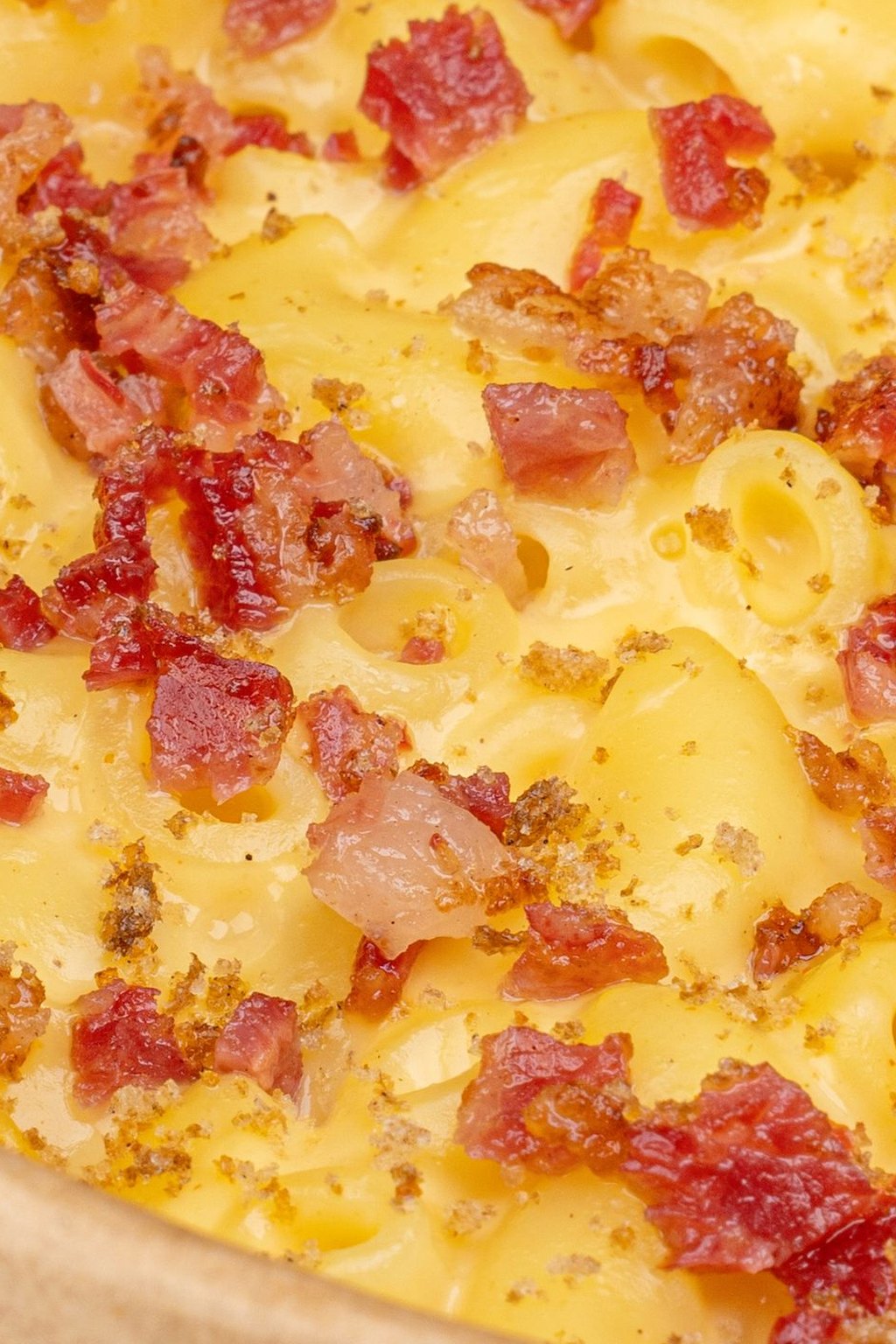
Why make this
- Skip the boiling and the roux, everything simply gets stirred together in the crock
- A velvety sauce from evaporated milk, a little cream cheese and real cheddar
- Keeps your oven free and stays warm on the buffet for holidays and potlucks
In our family, there is one side dish that has to appear at every holiday, every birthday and every church supper, and this crockpot mac and cheese is it. A few years ago my daughter in law volunteered to bring a fancy baked version to Easter dinner instead. My youngest grandson took one bite, set down his fork and asked politely if Grandma had made the regular kind. I have made a double batch ever since, and the crock is always the first thing scraped bare.
The beauty of making it in the slow cooker is that it keeps the oven and stovetop open for the turkey, the ham, the rolls and everything else competing for space. Uncooked elbows go into the crock along with butter, regular milk, evaporated milk, a big pile of shredded cheese and a few cubes of cream cheese. Give it a couple of hours on LOW, stir it now and then, and you end up with saucy, cheesy noodles that hold happily on WARM through a long buffet. When time is tight, HIGH gets you there faster.
No big pot of boiling water, no flour and butter roux and no extra saucepan to scrub. It takes about ten minutes of hands on time, yet it tastes like the rich, old school mac and cheese my mother used to make.
Why this recipe works
- The pasta cooks in the sauce. Dry elbows simmer right in the milk, absorbing flavor as they soften and giving off starch that thickens everything naturally.
- Evaporated milk for smoothness. With less water and more milk protein than the fresh kind, it helps the cheese melt into a glossy sauce rather than separating or going gritty.
- A little cream cheese. Just a few ounces melt in and give the sauce a plush texture that clings to every noodle.
- Two cheeses. Sharp cheddar delivers the big flavor, and Monterey Jack melts silky smooth, so you get both taste and that wonderful stretch.
- Low, even heat. The LOW setting keeps the dairy from breaking and lets the noodles soften evenly instead of going mushy.
Ingredients you’ll need
You will find all of this at any grocery store. The recipe card has the precise measurements.
- Dry elbow macaroni
- Unsalted butter
- A can of evaporated milk
- Whole milk
- Sharp cheddar
- Monterey Jack
- Cream cheese
- Dry mustard, garlic powder and paprika
- Kosher salt and black pepper
Ingredient notes and smart substitutions
Elbow macaroni
Good old elbows are my top pick because they cook through evenly and catch sauce in every little bend. Small shells or corkscrew cavatappi are great too. Stay away from delicate strands like angel hair, which go soft in no time, and from oversized shapes that may stay chalky in the center. Whole wheat and gluten free pastas behave differently, so if you try them, watch closely because they can turn soft quickly.
Cheese
I cannot stress this enough. Grate your cheese from a block. Packaged shreds are tossed with starch so they do not clump, and that coating can leave the sauce gritty and pasty. Sharp or extra sharp cheddar has the best flavor. In place of Monterey Jack you can use mild cheddar, Colby, Gouda or a bit of Gruyere if you are cooking for a grown up crowd.
Evaporated milk
This shelf stable canned milk is what keeps the sauce smooth and steady through a slow cook. It is a completely different product from sweetened condensed milk, so read the label carefully. If you cannot get it, half and half makes a good stand in.
Whole milk
Whole milk gives you the richest, creamiest results. Two percent will work, but the sauce will be a little lighter. I would not use skim, because it tends to make a thin sauce that can split.
Cream cheese
Regular full fat cream cheese melts the most smoothly. Cut it into little cubes so it blends evenly through the sauce. It is optional, but leaving it out makes the finished dish a bit less luscious.
Dry mustard and seasonings
Do not worry, the mustard powder will not make anything taste like a hot dog stand. It just brightens the cheddar and makes the cheese flavor stand out. The garlic powder and paprika bring a soft, savory warmth. Out of dry mustard? Use 1 teaspoon of regular yellow mustard and whisk it into the milk. Grownups might enjoy a pinch of cayenne or a few drops of hot sauce too.
Butter
Unsalted butter lets you decide how salty the dish ends up, which matters since cheese brings plenty of its own. If salted butter is all you have, drop the kosher salt to 1/2 teaspoon and taste before adding any more at the end.
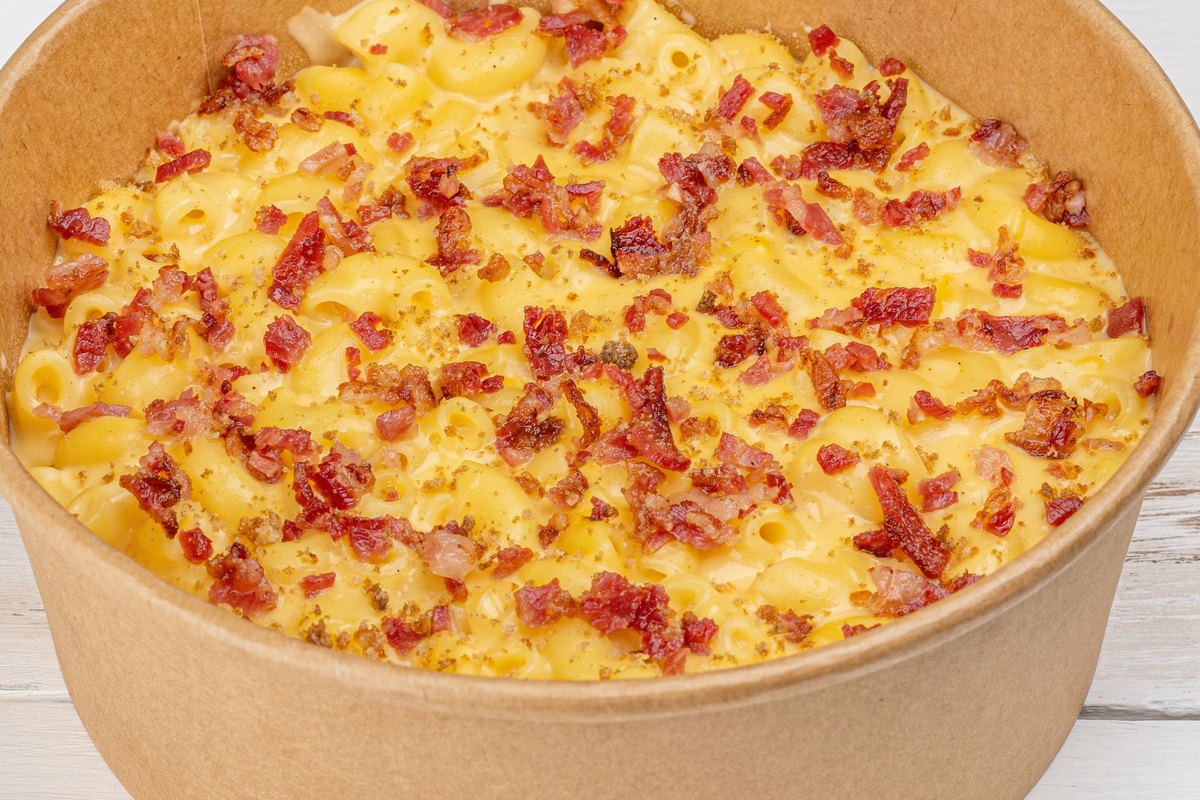
How to make it
Step 1. Grease the slow cooker
Rub plenty of butter all over the inside of the crock, which should hold 5 to 6 quarts, or give it a good coat of cooking spray. Melted cheese clings stubbornly to the sides, and this step will save you a lot of scrubbing later. A disposable liner works as well.
Step 2. Add the pasta and butter
Tip the dry macaroni into the crock and dot the cubes of butter over it. Sprinkle on the mustard powder, paprika, garlic powder, pepper and salt, then toss briefly so the noodles are coated.
Step 3. Pour in the milk
In a big measuring cup, whisk both milks until combined and pour them over the noodles. Stir thoroughly and check that every piece of pasta is under the liquid. Any noodles left sticking up will stay crunchy.
Step 4. Stir in the cheese
Drop in the cream cheese cubes along with roughly three quarters of the shredded cheddar and Jack. Mix until it is evenly distributed. Hold the remaining cheese back to stir in at the end for an extra gooey, melty finish.
This is a nice moment to wipe down the counter and set a kitchen timer for 30 minutes. That timer is going to be your best friend for the next couple of hours.
Step 5. Cook, stirring as you go
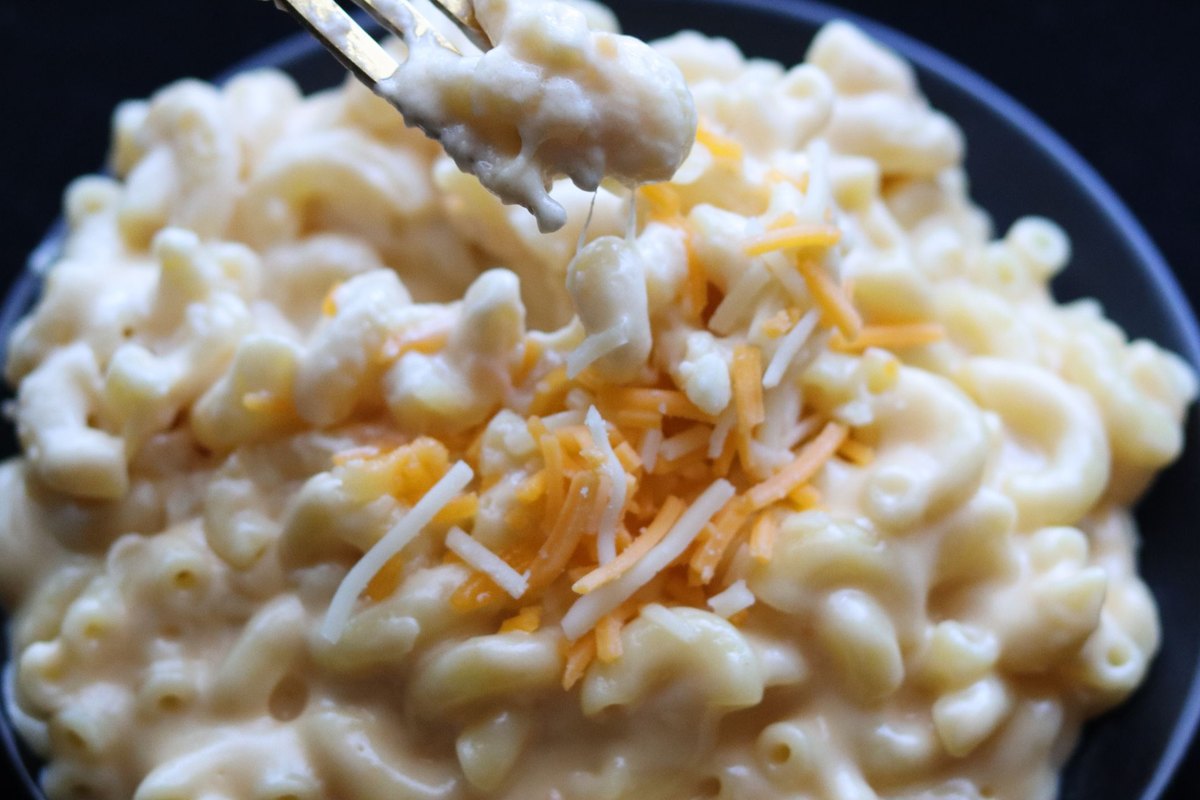
Put the lid on and cook for 2 to 2 1/2 hours on LOW, or 75 to 90 minutes on HIGH. Every 30 minutes, give it a good stir, scraping the bottom and sides so nothing sticks and burns and the noodles soften evenly. LOW is gentler and yields the creamiest sauce. Since every cooker heats a little differently, start checking on the early side. It is ready when the pasta is tender and nearly all the liquid has turned into a thick, creamy sauce.
Step 6. Finish and serve
Switch the cooker to WARM or turn it off. Stir in the cheese you saved until it melts. If the sauce feels too stiff, loosen it with a splash of warm milk. A slightly runny sauce is fine, so leave it be. It thickens a lot as it sits, so do not keep cooking it. Give it 10 minutes to rest so the sauce can settle around the noodles, then dust the top with paprika and serve.
Common mistakes to avoid
- Reaching for bagged shreds. The powdery coating on packaged cheese keeps it from melting cleanly and can make the sauce sandy. Grating a block takes five minutes and changes everything.
- Leaving it all day. Unlike a stew, this dish cannot cook for 8 hours. The noodles turn to mush if they go much past the suggested time, so keep that timer handy.
- Forgetting to stir. A stir every half hour keeps the edges from burning and helps the pasta at the top cook as evenly as the pasta at the bottom.
- Setting it on HIGH and walking off. High heat can split the sauce and scorch the bottom. If you choose HIGH, stir more frequently and check earlier.
- Tossing in a cold slab of cream cheese. A big cold chunk melts slowly and leaves pale streaks. Cut it small and let it warm up while you prep everything else.
- Choosing an oversized cooker. In a crock that is too large, the mixture spreads into a thin layer that can dry out and burn. Stick with 5 to 6 quarts for this amount.
Make ahead and storage
Make ahead. Since the pasta cooks in the milk, putting it together the night before is not a good idea, because the noodles would drink up the liquid and go soft. What you can do is grate the cheese and measure out the seasonings in advance, so it is a quick dump and stir job when the time comes. After cooking, it will keep on WARM for about an hour. Every 20 minutes or so, stir in a little milk so it stays saucy.
Fridge. Leftovers keep in a sealed container in the fridge for 4 days or so. The sauce gets firm in the cold, and that is perfectly normal.
Freezer. It can be frozen for up to 2 months, although the texture will be a bit softer once thawed. Single portions make easy lunches for Tom.
Reheating. Stir in a little milk and reheat it gently in a small pot until creamy again, or heat it in the microwave in 30 second rounds, stirring in between. Let frozen portions thaw in the refrigerator overnight first.
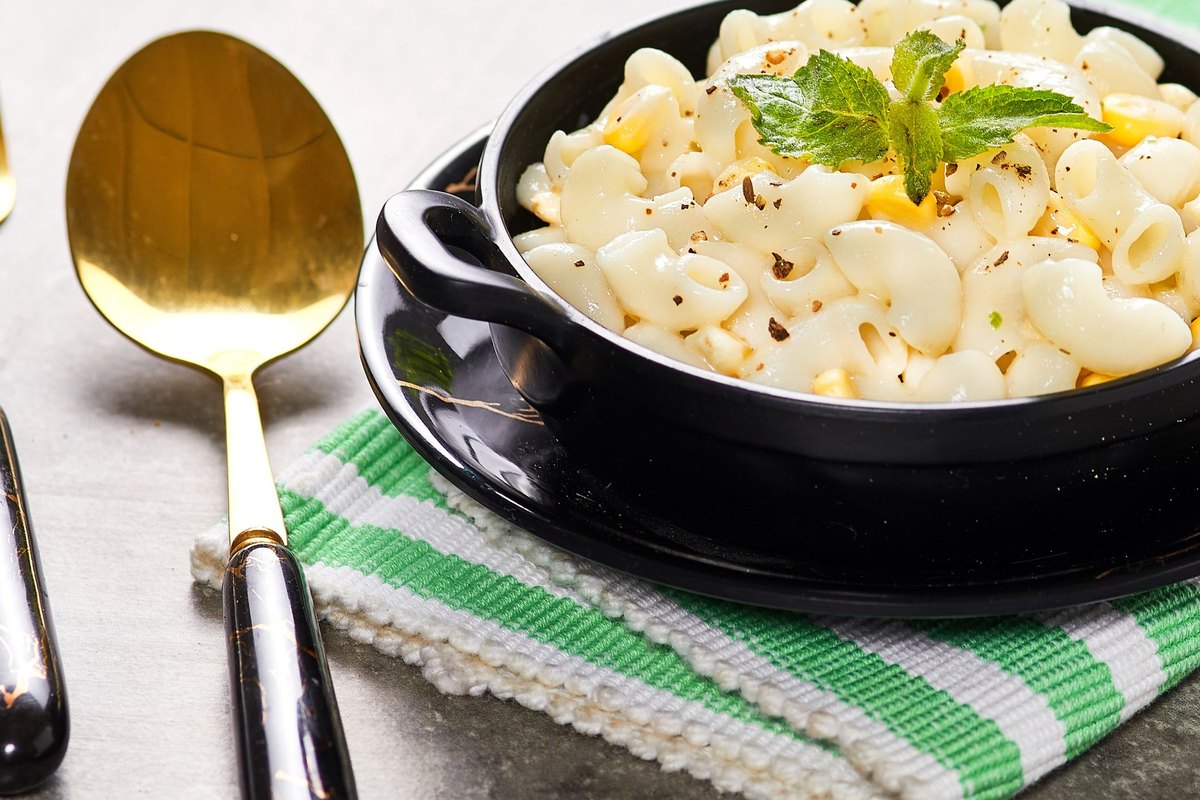
Variations
- Crunchy top. Move the cooked mac and cheese to a baking dish, scatter buttered breadcrumbs over it and broil 2 to 3 minutes until golden brown.
- Bacon lovers. Fold in 6 slices of cooked, crumbled bacon right before serving.
- Buffalo chicken. At the end, stir in hot sauce to taste and 2 cups of shredded cooked chicken to make it a main dish.
- Smoked Gouda. Use smoked Gouda in place of the Jack for a deeper, more grown up taste.
- Hidden veggies. Add steamed broccoli or peas for the last 15 minutes for a pop of green.
- Ham and peas. After cooking, mix in a cup of thawed peas plus 2 cups of diced leftover ham. It is how I use up the Easter ham, and it turns the side into a full dinner in one pot.
- Pizza night. Use mozzarella instead of Jack, add chopped pepperoni and a pinch of Italian seasoning.
- Jalapeno popper. Trade the Jack for pepper Jack and stir in a diced jalapeno for a little heat.
What to serve with it
This creamy mac is a natural partner for holiday mains like glazed ham, roast turkey or a platter of crispy fried chicken. In the summer it earns a spot at every backyard cookout next to pulled pork, ribs, burgers and grilled brats. Because it is so rich, I like to add something crisp and fresh on the side, such as a tossed green salad, a bowl of slaw, roasted green beans or lemony steamed broccoli. On a quiet weeknight, Tom and I eat it as the main event with a plate of sliced apples and cucumbers, and we never feel shortchanged. For potlucks, carry it in the crock, plug it in on WARM and leave a big spoon next to it.
Crockpot Mac and Cheese
Dry elbow macaroni cooked low and slow in whole milk, evaporated milk and butter with lots of Monterey Jack and sharp cheddar until thick and creamy.
Ingredients
- 1 pound dry elbow macaroni
- 4 tablespoons unsalted butter, cut in cubes
- 1 teaspoon dry mustard
- 1/2 teaspoon garlic powder
- 1/2 teaspoon paprika, plus extra to finish
- 1 teaspoon kosher salt
- 1/2 teaspoon black pepper
- 1 can (12 ounces) evaporated milk
- 3 cups whole milk, plus more if needed
- 4 ounces cream cheese, softened and cubed
- 4 cups shredded sharp cheddar, divided
- 2 cups shredded Monterey Jack, divided
Instructions
- Butter the crock of your slow cooker (5 to 6 quarts) well or coat it with cooking spray.
- Put the dry macaroni and butter cubes in the crock, sprinkle on the mustard, paprika, garlic powder, pepper and salt and toss.
- Whisk both milks together, pour them over the noodles and stir until every piece is under the liquid.
- Mix in the cream cheese and roughly three quarters of the shredded cheddar and Jack.
- Put on the lid and cook 2 to 2 1/2 hours using LOW or 75 to 90 minutes using HIGH. Stir every 30 minutes, until the noodles are tender and the sauce has thickened.
- Switch to WARM or turn off the cooker. Stir in the rest of the cheese until melted, loosening with warm milk if needed.
- Rest 10 minutes, dust with paprika and serve.
Frequently Asked Questions
Does the macaroni need to be cooked first?
Not at all. The elbows go into the crock completely dry and soften right in the milk, soaking up liquid as they go. The starch they release is part of what thickens the cheese sauce. Cooked pasta would turn to mush over a couple of hours, so save yourself the pot of boiling water.
How long should crockpot mac and cheese cook?
Allow about 2 to 2 1/2 hours with the cooker on LOW, or 75 to 90 minutes with it on HIGH, stirring every half hour on either setting. LOW is gentler and makes a creamier sauce. HIGH is quicker, but you have to keep a closer eye on it so the bottom does not burn. Begin checking a little early, since every cooker is different.
What makes the cheese sauce gritty?
The most common culprit is packaged shredded cheese, which is dusted with starch that resists melting. Too much heat can also make the cheese tighten up and separate. Grate your own from a block, rely on evaporated milk for a stable sauce and stick with LOW when you can for the silkiest result.
Will it stay warm in the crock for a party?
Yes. As soon as it is done, set the cooker to WARM and it will hold nicely for around an hour. The sauce keeps thickening as it waits, so stir in a little warm milk about every 20 minutes. Much longer than that and the noodles keep softening and the edges start to dry.
Can I prep this the day before?
I would cook it the same day you plan to serve it. If you assemble it a night early, the dry noodles absorb the milk and go limp before the cooking even starts. Grate the cheese and measure the seasonings in advance instead. Leftovers warm up nicely in a saucepan over low heat with a little milk.