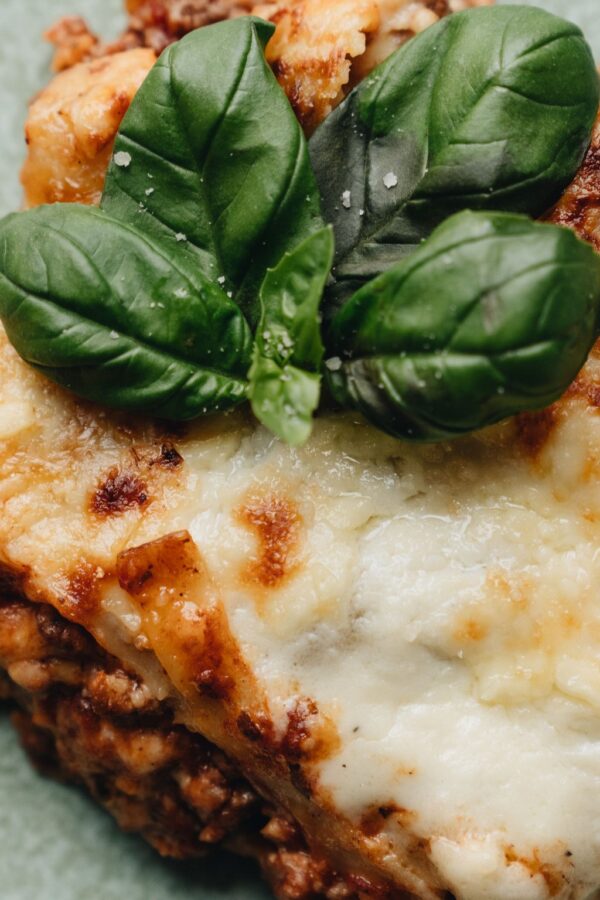
Homemade Meat Lasagna (Sausage Sauce, Ricotta and Plenty of Cheese)
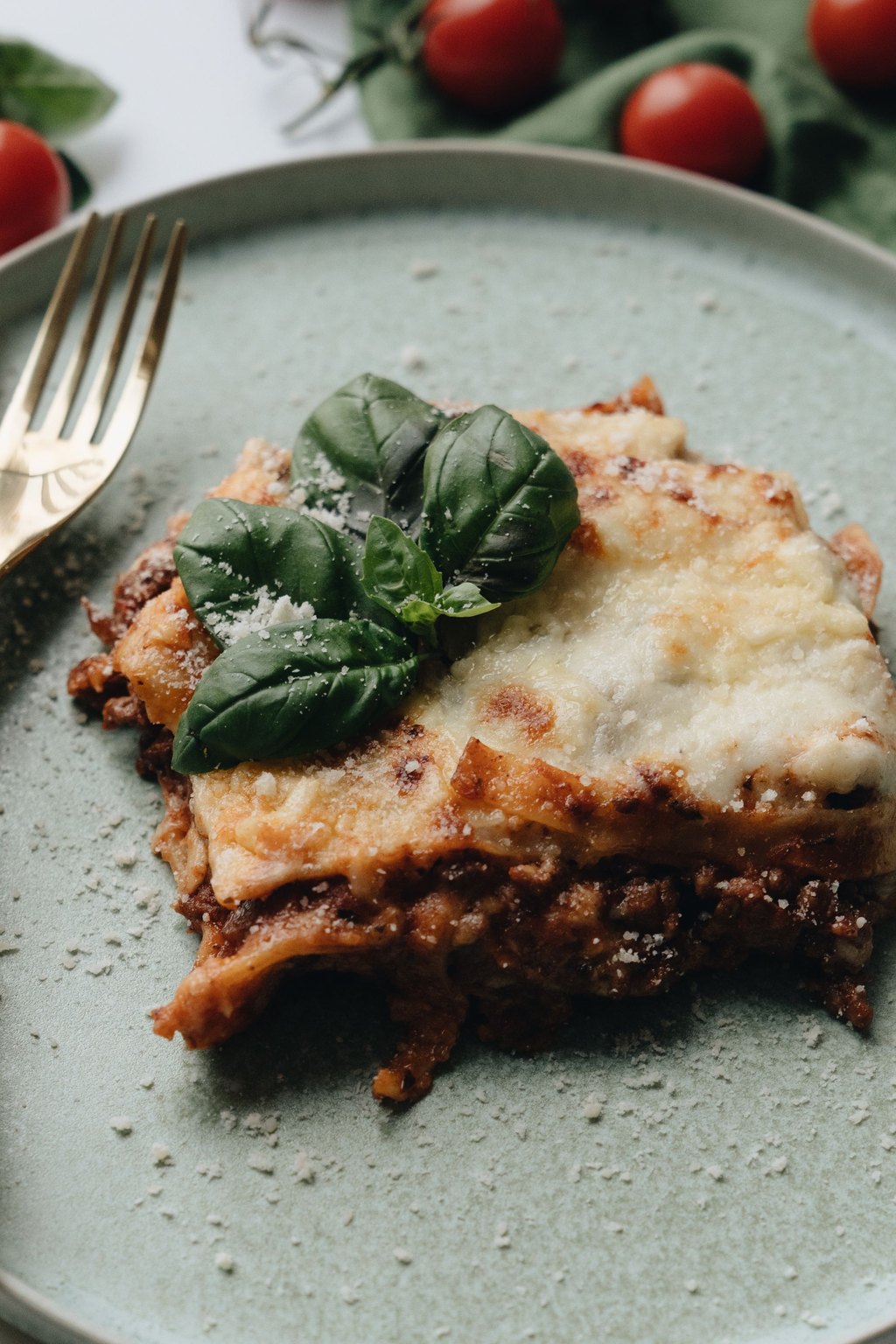
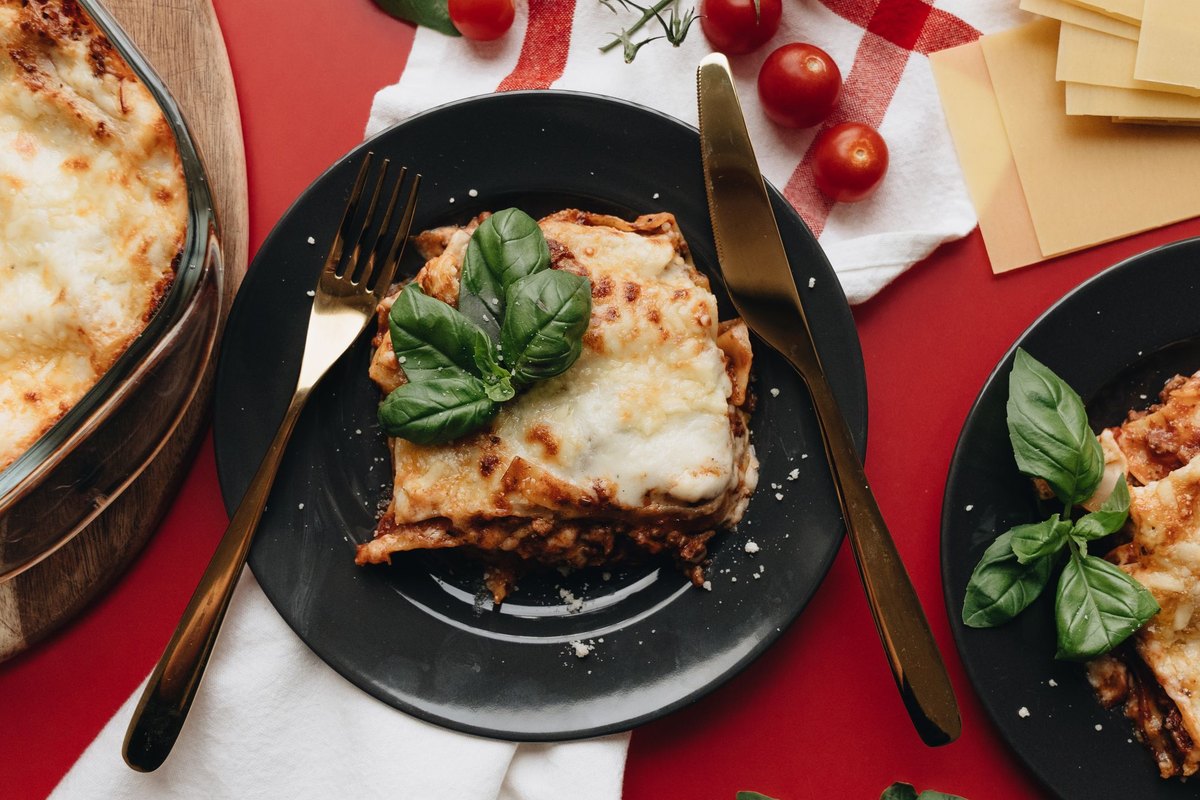
My Sunday best lasagna stacks a thick beef and sausage tomato sauce with seasoned ricotta and bubbling mozzarella, and it feeds the whole crew with leftovers to spare.
Why make this
- Every slice gets a hearty sausage and beef sauce plus a creamy ricotta layer.
- Build it up to 2 days early so the big family dinner is mostly done before anyone arrives.
- One pan feeds twelve, and the extra squares freeze like a dream.
When the kids call to say they are all coming home for the weekend, the first thing I do is check the freezer for sausage. Lasagna is the dinner my three grew up on, and it is still the one they request the minute they walk through the door, usually before they have even set down their bags. Now there are grandkids pulling chairs up to the same table, and the pan seems to empty faster every year.
This version is the one I have settled on after decades of tinkering. A thick tomato sauce built on beef and Italian sausage, a ricotta layer seasoned with Parmesan and parsley, and a generous blanket of mozzarella, all stacked in a 9 by 13 inch dish until it is nearly overflowing. Nothing about it is fancy. It simply asks for a bit of patience, and I have come to enjoy the slow rhythm of stirring a pot of sauce on a quiet afternoon.
Tom says the toughest step is the resting time at the end, and he is right. The smell fills the whole house and nobody wants to wait. Still, that short rest is what turns a sloppy pile into neat, tall squares. Below I walk through every stage, along with the small lessons I learned the hard way so you do not have to.
Why this recipe works
- Two kinds of meat. Beef gives the sauce body, and sausage sneaks in its own seasoning, including a little fennel and a mild kick.
- A sauce that gets time on the stove. Half an hour of gentle bubbling cooks off extra liquid and deepens the tomato flavor, which keeps the finished pan from turning soupy.
- Ricotta with personality. An egg, grated Parmesan and fresh parsley make the cheese layer smooth and savory rather than flat or crumbly.
- Two stage baking. Foil holds in moisture so the center warms through, and then the top bakes open so the cheese can brown.
- Time to set. A rest on the counter firms everything up so each piece lifts out cleanly.
Ingredients you’ll need
The list looks long, but every item lives in a regular supermarket, and most of it is probably in your pantry already. Exact measurements are in the recipe card below. Here is the shopping list in short form.
- Lean ground beef and mild Italian sausage
- A yellow onion and a few garlic cloves
- Crushed tomatoes, plain tomato sauce and tomato paste
- Dried basil and dried oregano
- Sugar, salt and black pepper
- Whole milk ricotta
- One large egg
- Grated Parmesan
- Fresh parsley
- Regular lasagna noodles
- Shredded mozzarella
Ingredient notes and smart substitutions
The meat
Beef plus sausage is my favorite pairing, though an all beef sauce is perfectly good. Squeeze the sausage out of its casings before it goes into the pan. Ground turkey makes a lighter pan, and when I go that route I add a little extra oregano and a pinch of fennel seed so it still tastes like sausage night.
The tomatoes
Each tomato product has its own job here. Crushed tomatoes give texture, the sauce smooths everything out, and the paste brings concentrated, almost roasted depth. The teaspoon of sugar takes the sharp edge off the acidity. On a busy day, roughly 6 cups of store bought marinara will stand in for the homemade sauce. Just brown the meat and stir the jarred sauce right in.
The ricotta
Whole milk ricotta gives you the silkiest filling. If the tub looks soupy when you open it, set it in a fine mesh strainer over a bowl for 15 minutes so the extra whey can drip away. Small curd cottage cheese works too, and it makes the layer a touch lighter with a little more tang.
The noodles
Old fashioned boiled noodles are what I reach for because they give that classic chewy bite. Oven ready noodles also work. If you use them, thin your sauce slightly and make sure no corner of any noodle is left bare, because they drink up moisture in the oven.
The cheese
Grating your own low moisture mozzarella from a block is worth the extra two minutes. Bagged shredded cheese is coated with starch to keep the shreds apart, and that coating can make it melt a little gritty. The same goes for Parmesan. A wedge you grate yourself tastes far better than the powdery kind in a canister.
One more tip on shopping. I always buy an extra box of noodles because a couple inevitably tear in the pot, and it is nice to have spares rather than patching a layer together with scraps.
How to make it
Step 1. Cook the noodles
Fill a big pot with water, salt it well and bring it to a rolling boil. Boil the noodles 2 minutes shy of the time printed on the box so they still have some firmness. Drain them, give them a quick rinse under cool water and spread them out on a sheet pan brushed with a little oil to keep them from gluing together.
Step 2. Brown the meat
Set a wide, deep skillet or a Dutch oven over medium high heat. Add the beef, sausage and onion and cook for 8 to 10 minutes, breaking the meat into crumbles as it goes, until no pink remains and it reaches 160F. Spoon out the extra fat, add the garlic and stir for 1 minute until it smells wonderful.
Step 3. Simmer the sauce
Pour in all three tomato products, the crushed, the sauce and the paste, then add the oregano, basil, sugar, pepper and salt and stir well. Once it starts to bubble, drop the heat to low, set the lid on at an angle and let it cook gently for 30 minutes, giving it a stir every so often, until it has thickened nicely. Use this time to heat the oven to 375F.
Step 4. Make the ricotta filling
In a medium bowl, beat the egg into the ricotta, then add the parsley, 1/2 cup of the Parmesan and a little salt and pepper until it is creamy and even. Leave it on the counter until you are ready to assemble.
Step 5. Layer the lasagna
Smear about 1 cup of the meat sauce across the base of your 9 by 13 inch baking dish. Arrange 3 noodles over it, spread on one third of the ricotta, scatter 1 cup of mozzarella over that and spoon on roughly 1 1/2 cups of sauce. Build two more layers the same way. Top it all with the final 3 noodles, the rest of the sauce, the rest of the mozzarella and the remaining 1/4 cup of Parmesan.
Step 6. Bake covered
Coat one side of a piece of foil with a little cooking spray so the cheese will not cling to it, then seal it tightly over the dish, sprayed side down. Place the dish on a rimmed sheet pan in case anything bubbles over and bake for 25 minutes.
Step 7. Uncover and brown
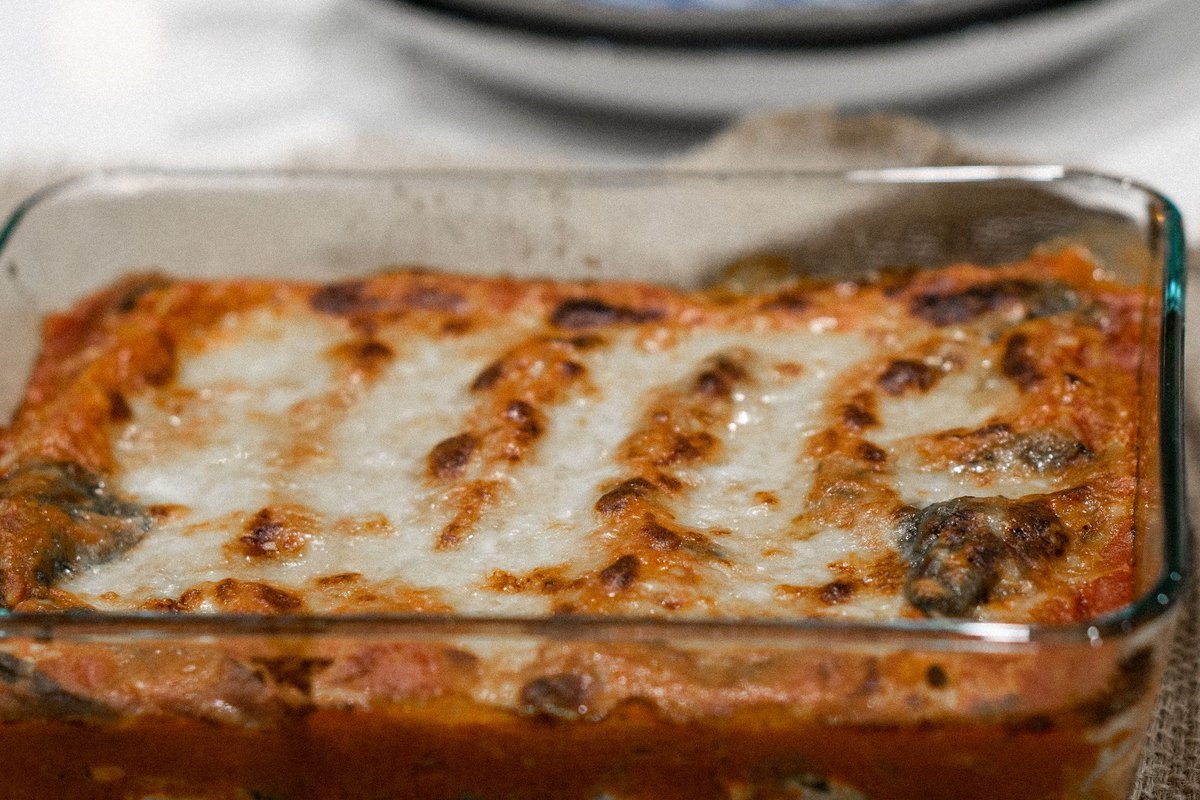
Peel off the foil and keep baking for 25 to 30 minutes more, until the edges are bubbling and the cheese is melted with a few golden brown patches.
Step 8. Let it rest
Leave the lasagna alone on the counter for at least 15 minutes before you slice it. The sauce and cheese firm up during this time, and your pieces will keep their layers.
On a Sunday I like to put the whole thing together right after lunch. Then it goes in the oven about 90 minutes before we plan to eat, which leaves me time to wipe the counters, set the table and maybe sneak a cup of coffee on the porch.
For serving, grab your sharpest knife and a wide, sturdy spatula. Slice all the way to the bottom of the dish before you try to lift the first piece out.
That first piece never comes out pretty, so it goes on my plate. Tom pretends not to notice.

Common mistakes to avoid
- A runny sauce. Cutting the simmer short leaves extra liquid that pools in the pan later. Let it go the whole 30 minutes.
- Soft noodles going in. Noodles boiled all the way turn limp and mushy in the oven. Take them out while they still have bite.
- A bare bottom. Without that first spoonful of sauce, the bottom noodles stick to the dish and dry out.
- Soupy ricotta. Loose ricotta weeps into the layers. Strain it first if needed.
- Slicing right away. A lasagna straight from the oven collapses into a tasty mess. Give it the rest.
Make ahead and storage
Make ahead. This is one of my favorite dishes to prep early. Assemble the whole pan, wrap it well and keep it in the fridge for up to 2 days. Pull it out 30 minutes before baking, then give it 35 to 40 minutes under foil and a further 25 to 30 minutes with the foil off.
Fridge. Leftover lasagna lasts up to 4 days in a covered container in the refrigerator. I actually think it tastes better on day two, after everything has had a chance to settle in together.
Freezer. Wrap an unbaked pan in plastic wrap and then two layers of foil and freeze it for up to 3 months. Baked squares freeze well in single portions too. Let it thaw in the fridge overnight and bake it the same way as the make ahead pan.
Reheating. A single slice warms in the microwave in 2 to 3 minutes if you cover it. For a bigger amount, tent it with foil and warm it at 350F for 25 to 30 minutes, until the middle is steaming. A spoonful of water or extra sauce around the edges keeps it from drying out.
Variations
- Spinach and ricotta. Thaw 10 ounces of frozen spinach, wring it out well and fold it into the cheese filling.
- Garden lasagna. Leave out the meat and cook mushrooms, zucchini and bell peppers in the sauce instead.
- Creamy white lasagna. Trade the tomato sauce for a garlic Parmesan cream sauce with shredded chicken and spinach.
- A little heat. Choose hot Italian sausage and stir a pinch of red pepper flakes into the sauce.
- Dinner for two. Cut everything in half and use an 8 inch square pan. This is what Tom and I make on ordinary weeks.
What to serve with it
Since lasagna is so rich and filling, I keep everything around it light and simple. A big bowl of crunchy greens with a tangy vinaigrette is my standard. Garlic bread is not optional at our house, and the grandkids negotiate hard over the crusty corners.
Roasted broccoli, lemony green beans or a pan of whatever vegetables are coming out of my garden help cut through all that cheese. When it is a holiday crowd, I put out a dish of olives and a platter of sliced fruit too.
For something sweet afterward, tiramisu or a few scoops of lemon sorbet keep the Italian theme going. Then pour another cup of coffee and watch the second helpings disappear.
Homemade Meat Lasagna
A hearty baked lasagna layered with beef and Italian sausage tomato sauce, a Parmesan and parsley ricotta filling, mozzarella and more Parmesan.
Ingredients
For the meat sauce
- 1 pound lean ground beef
- 1 pound mild Italian sausage, casings removed
- 1 medium yellow onion, diced
- 4 garlic cloves, minced
- 1 can (28 ounces) crushed tomatoes
- 1 can (15 ounces) tomato sauce
- 2 tablespoons tomato paste
- 2 teaspoons dried basil, 1 teaspoon dried oregano and 1 teaspoon sugar
- 1 teaspoon salt and 1/2 teaspoon black pepper
For the ricotta filling
- 15 ounces whole milk ricotta
- 1 large egg
- 3/4 cup grated Parmesan, divided
- 2 tablespoons fresh parsley, chopped
For assembly
- 12 lasagna noodles
- 4 cups shredded low moisture mozzarella
Instructions
- Boil the noodles in well salted water, stopping 2 minutes before the box time. Drain, rinse quickly with cool water and spread them on an oiled sheet pan.
- Over medium high heat in a big skillet or Dutch oven, brown the onion with the beef and sausage for 8 to 10 minutes so the meat hits 160F. Spoon off the fat, add the garlic and cook 1 minute.
- Stir in the tomatoes in all three forms along with the herbs, sugar, pepper and salt. Cook on low with the lid ajar for 30 minutes, until thick. Meanwhile heat the oven to 375F.
- In a bowl, combine the ricotta with the egg, parsley, 1/2 cup of the Parmesan and a little salt and pepper.
- Coat a 9 by 13 inch dish with 1 cup of sauce. Add 3 noodles, one third of the ricotta, 1 cup of mozzarella and about 1 1/2 cups of sauce. Make two more layers like that, then finish with 3 noodles followed by the leftover sauce, mozzarella and Parmesan.
- Seal the dish with greased foil. Bake it 25 minutes.
- Take off the foil and bake 25 to 30 minutes longer, until bubbling with golden spots.
- Rest the lasagna for 15 minutes, then slice and serve.
Frequently Asked Questions
Do I bake lasagna with foil on or off?
Both, in that order. Foil goes on for the first 25 minutes so steam softens the noodles and the middle heats through without the top scorching. Then it comes off for the final 25 to 30 minutes, giving the mozzarella time to bubble and brown. A light coat of cooking spray on the foil keeps the cheese from sticking to it.
What makes lasagna turn out soupy?
The usual suspects are a sauce that did not simmer long enough, ricotta with too much whey or noodles boiled until soft. Cook the sauce down until it is thick, strain runny ricotta and pull the noodles while they are still firm. Above all, give the baked pan at least 15 minutes on the counter so everything can firm up before you cut.
Will oven ready noodles work here?
Yes, and they save you a pot of boiling water. They absorb a lot of moisture while baking, so check that sauce covers every bit of each noodle, and loosen a very thick sauce with a few tablespoons of water. Keep the foil tight during the covered part of the bake.
Can I put the lasagna together a day early?
I do it all the time before a big family weekend. Assemble, wrap and refrigerate it for as long as 2 days. Give it about 30 minutes at room temperature, then bake with foil for 35 to 40 minutes and without it for 25 to 30 more, until the center is hot and the edges bubble.
How long does lasagna need to sit before slicing?
Give it a minimum of 15 minutes, or closer to 30 if you want picture perfect pieces. During that time the cheese sets and the noodles soak up the last of the loose sauce. Cut it any sooner and the layers will slide around on the plate. Do not worry, it stays plenty warm while it waits.