Old Fashioned Beef Stew (Hearty, Tender and Simple)
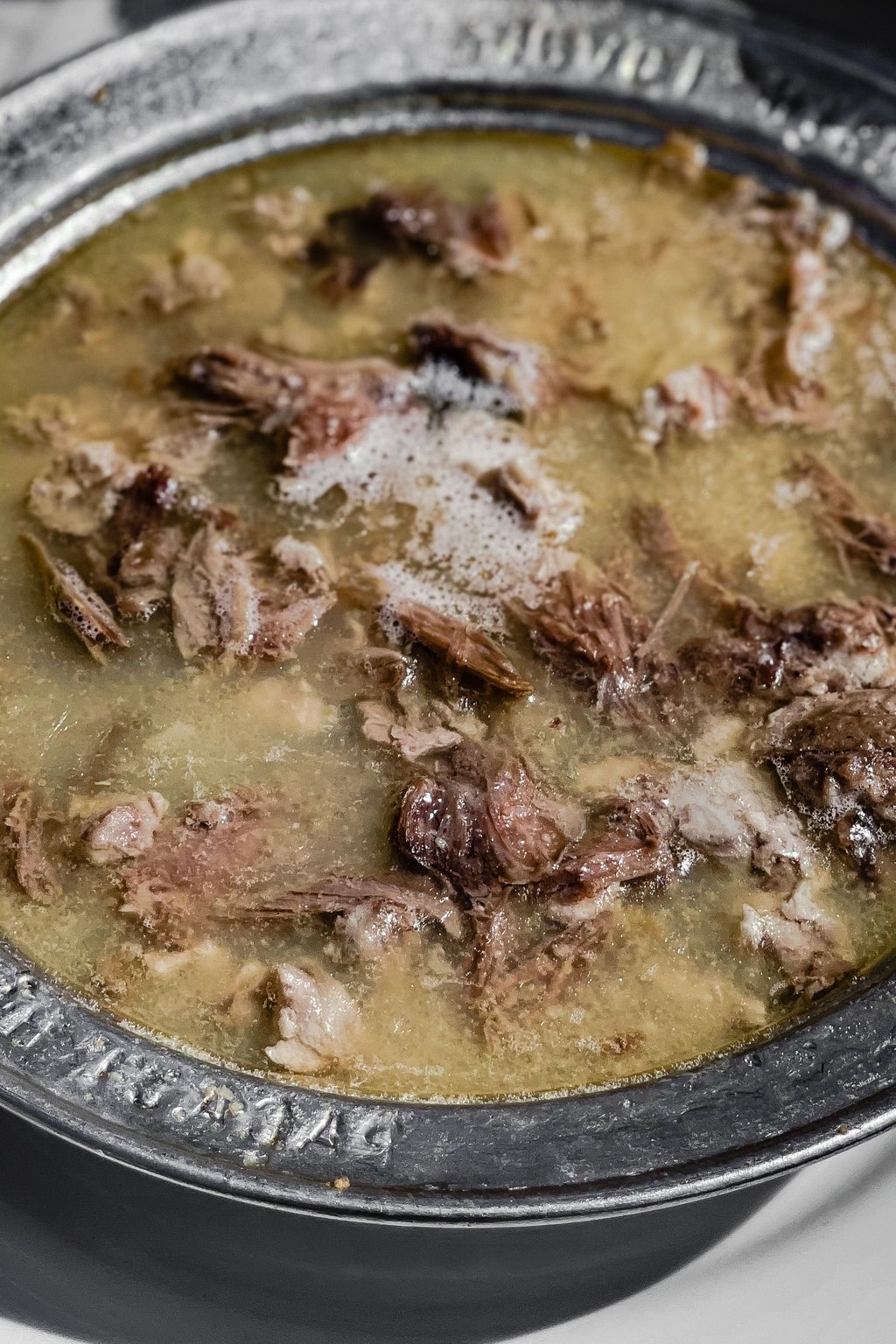
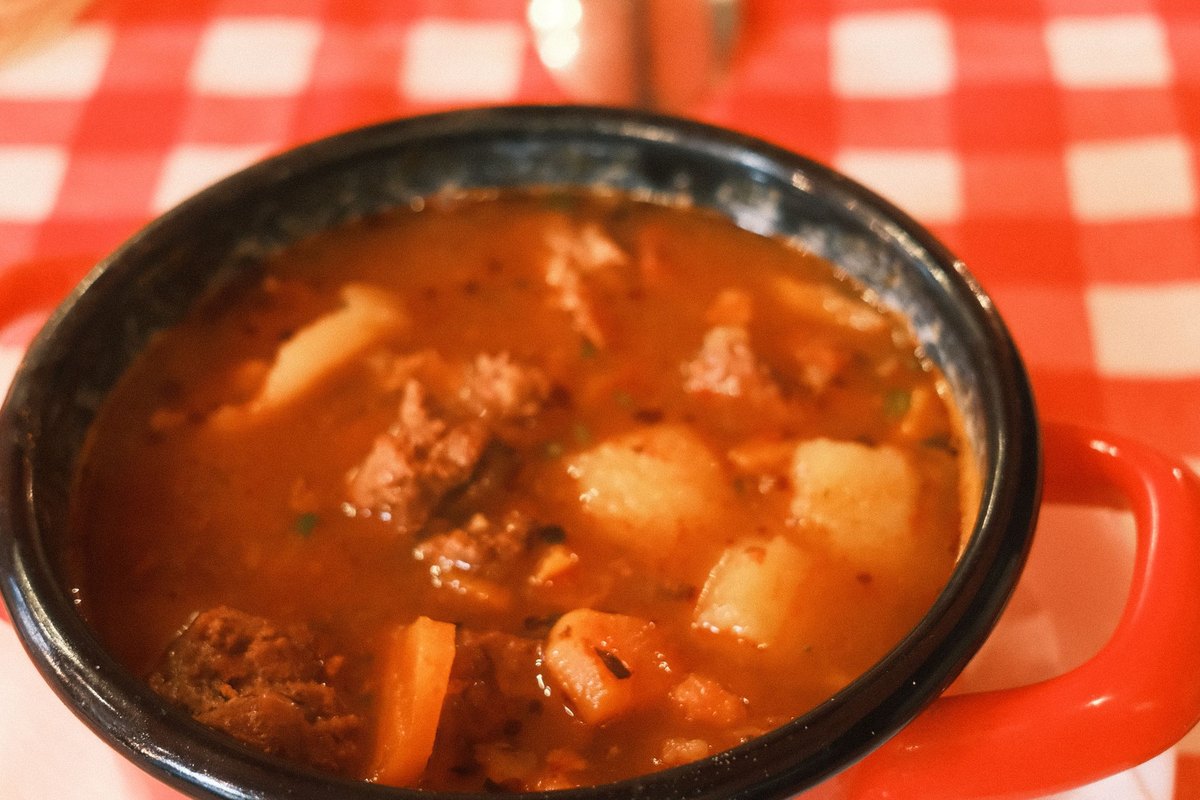
My old fashioned beef stew turns a chuck roast, carrots and potatoes into a thick, savory pot of comfort that feeds two for days or a full table on Sunday.
Why make this
- Beef so soft it falls apart under a spoon, wrapped in a gravy with real depth
- Everything happens in a single Dutch oven, so the dishes stay manageable
- The flavor gets better overnight, which makes it a smart cook once, eat twice meal
Tom says he can tell the season has turned when he walks in from the garage and smells onions browning in my big Dutch oven. He is not wrong. Once the tomato vines in my garden are pulled and the mornings need a sweater, beef stew goes into steady rotation at our house. It was the meal I made on cold Saturdays when all three kids still lived at home, and it is still the one they request when they drive back for a weekend.
This version is the one I have settled on after years of small adjustments. I cut a chuck roast into generous cubes, give them a dark sear, and let them cook gently with onion, garlic, tomato paste, beef broth and a little red wine. The potatoes and carrots wait until the beef is halfway there, so they come out tender but whole. The sauce thickens on its own into something rich and spoonable, and I never need cream or a can of anything.
Most of the cooking time is the pot doing its quiet work while you go about your afternoon. I like to get it going after lunch on a Sunday. When it is just the two of us, the leftovers carry us through a couple of weeknights, and when the whole family is home, one pot disappears in a single sitting.
What makes this stew so good
- Chuck roast does the heavy lifting. This cut is laced with fat and collagen that soften over a long, gentle cook, so the cubes turn juicy and soft instead of dry.
- Browning in small batches. When the beef has room in the pot, every cube picks up a dark crust, and the sticky residue left behind becomes the backbone of the sauce.
- A dusting of flour. Tossing the beef in flour before searing helps it color and quietly thickens the liquid, so there is no extra thickening step later.
- Toasted tomato paste and wine. Letting the paste darken builds a deeper, sweeter base, and a pour of wine loosens every bit of flavor stuck to the pot.
- Smart timing for the vegetables. The potatoes and carrots only cook for the final hour or so, which keeps them soft without letting them crumble.
What goes into the pot
Nothing here is hard to find, and you may already have half of it on hand. The full measurements live in the recipe card at the bottom.
- A boneless chuck roast, cubed into 1 1/2 inch chunks
- Flour, salt and pepper to coat the meat
- Olive oil or any mild oil for browning
- One yellow onion and a few garlic cloves
- Tomato paste
- Dry red wine, or more broth
- Beef broth with reduced sodium
- Worcestershire sauce, bay leaves and dried thyme
- Yukon Gold potatoes and carrots
- Frozen peas and chopped parsley for the end
Notes on the ingredients and easy swaps
The beef
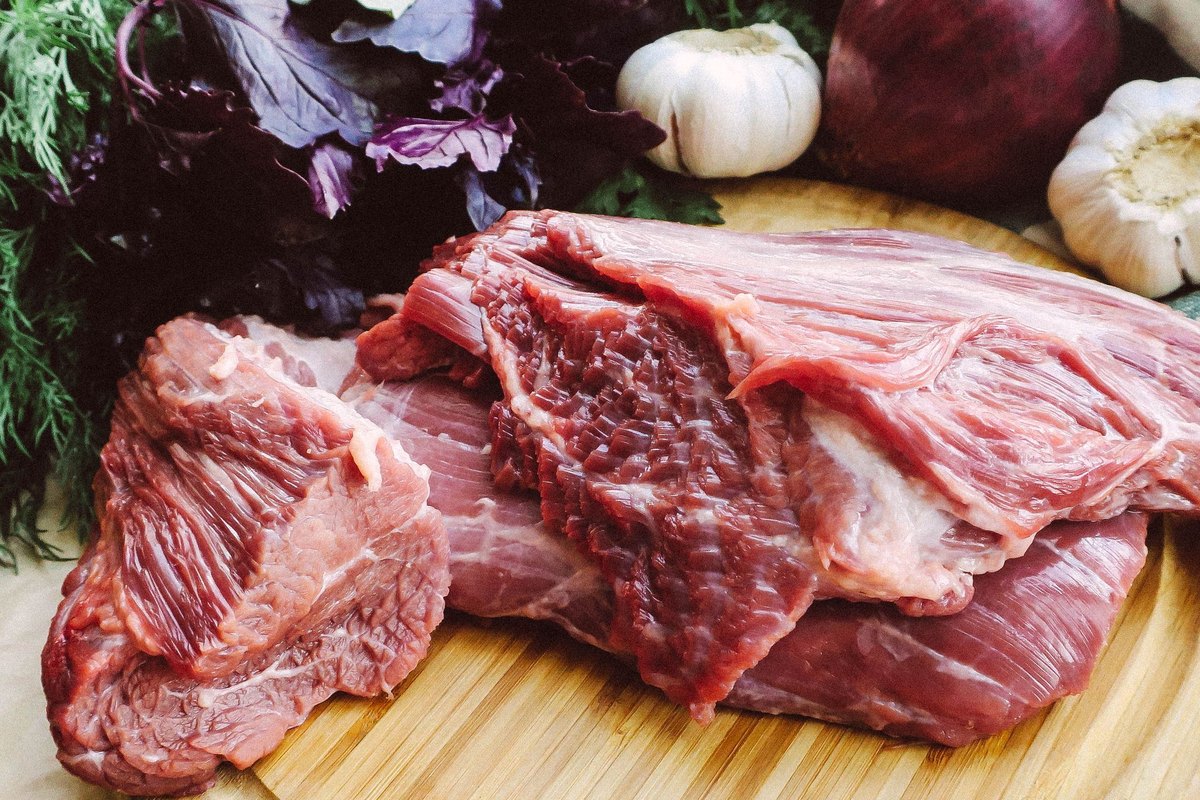
Skip the tray marked stew meat and buy a whole chuck roast instead. Those trays are usually odds and ends from several cuts, and they never cook at the same rate, so you end up with a few soft bites and a lot of chewy ones. Cutting your own roast takes ten minutes and usually costs no more. Trim away any thick, hard fat from the outside edges, but leave the thin streaks running through the meat. Bottom round or brisket can stand in if chuck is not available, though the finished stew will be a bit leaner.
The wine
A dry red such as merlot or cabernet adds a soft acidity that keeps the beef from tasting heavy. Pick something you would be happy to pour into a glass with dinner. To leave the wine out completely, use an extra cup of beef broth and stir in 1 tablespoon of balsamic or red wine vinegar so the sauce still has a little brightness.
The broth
Reduced sodium broth is the way to go, because the liquid cooks down for a couple of hours and full sodium broth can leave the pot too salty by the end. If you have homemade stock in the freezer, this is a lovely place for it. A spoonful of beef base stirred into water is a perfectly good shortcut as well.
The potatoes
I reach for Yukon Golds because they turn creamy inside without falling apart, and their thin skins mean no peeling. Small red potatoes behave much the same way. Russets are fine too, but they soften more and start to melt into the sauce, which actually thickens it in a way Tom happens to love.
Tomato paste and Worcestershire sauce
These two take up very little room in the pot but add a surprising amount of flavor. The paste gives sweetness, color and body, while Worcestershire brings a salty, tangy edge that guests can never quite name. If a half used tube of tomato paste is hiding in your fridge door, now is the time to finish it.
Making the stew, step by step
Plan on roughly 3 hours in total, and most of that time the pot simply simmers on its own. A heavy Dutch oven with a lid, or any thick pot that holds heat well, makes the job easiest.
Step 1. Dry and flour the beef
Blot the cubes of beef with paper towels until the surface feels dry, since damp meat steams instead of browning. Tip the beef into a large bowl, sprinkle on the flour, salt and pepper, and toss until each piece wears a thin coat. Tap off the loose flour so it will not burn on the bottom of the pot.
Step 2. Brown the beef a few pieces at a time
Set the Dutch oven over medium high heat with 2 tablespoons of oil and wait until the oil ripples. Lay in about one third of the beef, leaving a little gap around each cube, and leave it alone for 3 to 4 minutes until the underside is dark brown. Flip the pieces to brown a second side, then lift them onto a plate. Work through the rest of the beef the same way, adding a bit more oil whenever the pot looks dry.
Step 3. Soften the onion and garlic
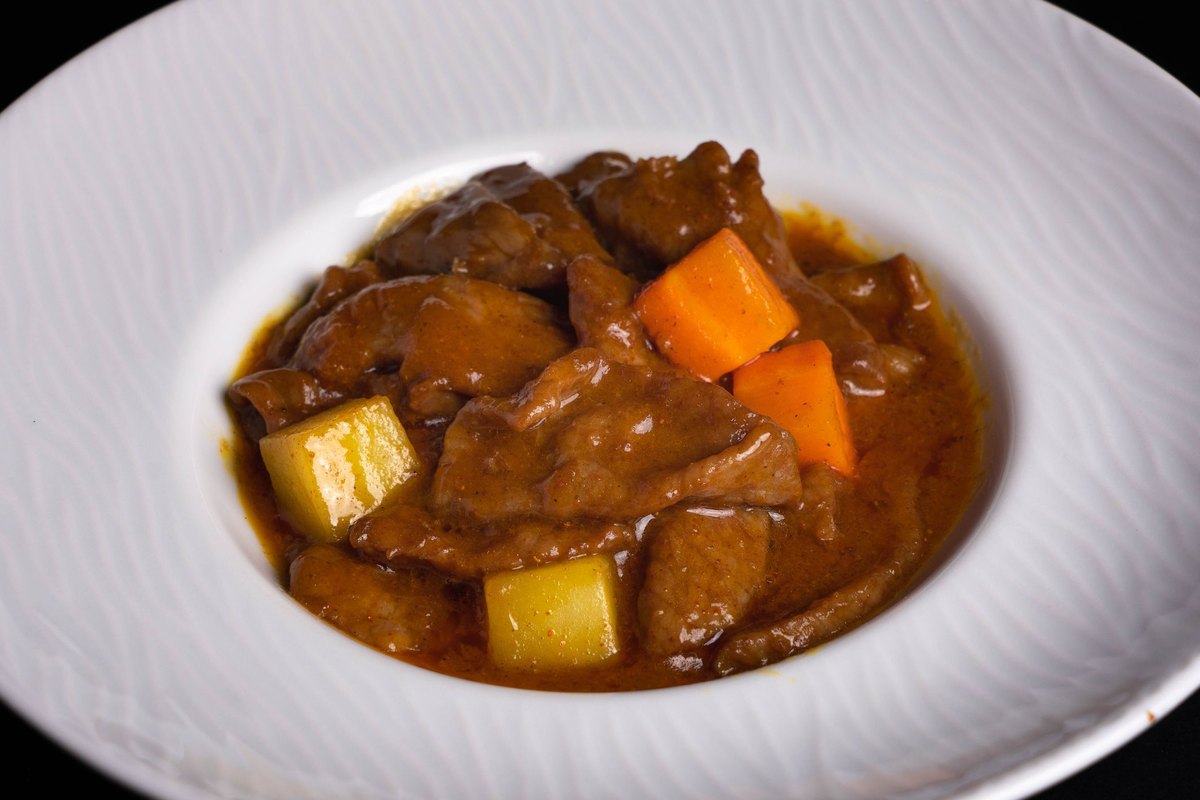
Turn the burner down to medium. Stir in the chopped onion and let it cook for about 5 minutes, scraping at the bottom of the pot as it softens. Add the garlic and stir for 30 seconds, just until it smells fragrant. Spoon in the tomato paste and keep stirring for 2 minutes, until the paste deepens in color and starts to stick a little.
Step 4. Add the wine and broth
Pour in the red wine and use a wooden spoon to loosen everything stuck to the bottom. Let it bubble for 2 minutes so the sharp edge cooks off. Add the broth along with the Worcestershire sauce, bay leaves and thyme, then slide the browned beef back in, including any juices that collected on the plate.
Step 5. Let it cook gently
Bring the pot up to a soft boil, then turn the heat down until only a few bubbles break the surface. Set the lid on with a small gap and let it go for 1 1/2 hours, giving it a stir about every half hour. A gentle bubble is the goal here, since a hard boil tightens the beef.
Step 6. Stir in the potatoes and carrots
Add the potato cubes and carrot slices and cover the pot again. Keep it at a low simmer for 45 minutes to 1 hour, until a fork slides easily into the vegetables and the beef pulls apart with no effort. A splash of broth will loosen a stew that seems too thick. If it looks thin, take the lid off for the final 15 minutes.
Step 7. Finish with peas and parsley
Pull out the bay leaves and stir in the frozen peas, giving them about 3 minutes to heat through. Taste a spoonful and add more salt and pepper as needed. Scatter the parsley over the top and serve in deep bowls.
Mistakes I have learned to avoid
- Too much beef in the pot at once. A crowded pot traps steam, and the meat turns gray instead of brown. Even on a busy day, brown it in rounds.
- Forgetting to pat the meat dry. Moisture keeps the beef from coloring and turns the flour into a paste. It only takes a minute with paper towels.
- Letting it boil hard. Fast bubbling squeezes the meat and makes it chewy. Keep the burner low enough for a slow, sleepy simmer.
- Adding vegetables at the start. Potatoes and carrots that cook the full three hours will dissolve long before the beef softens.
- Giving up too early. Beef that still feels firm is not ruined. It just needs more time, so keep it simmering and test a cube every 15 minutes.
Making it ahead and keeping leftovers
This is one of the few dinners I actively prefer on day two. The sauce settles and thickens overnight and the flavors round out, so when the kids are coming home for a Sunday dinner, I often cook it the day before and just warm it up.
Leftovers are easy to manage, and I portion them out based on who is eating. Here is how I handle each option.
In the fridge
Give the stew about half an hour to cool on the counter, then spoon it into airtight containers and chill for up to 4 days. A layer of fat will harden on top, and you can lift it off before reheating if you would like a lighter bowl.
In the freezer
Pack the stew into freezer containers or sturdy zip bags and freeze for up to 3 months. Potatoes tend to turn a bit mealy once frozen, so when I know a batch is going into the freezer, I sometimes leave them out and boil fresh ones on reheating day. Let it thaw in the fridge overnight.
Warming it back up
Warm the stew gently in a pot on medium low, stirring now and then, until it is hot all the way to the center. Stir in a little broth or water, since the sauce firms up in the fridge. For a single lunch, a covered bowl in the microwave works well, heated in 1 minute rounds and stirred between each one.
Ways to change it up
- In the slow cooker. Do the browning and the onion, garlic, paste and wine steps on the stove, then move it all except the peas into a slow cooker. Give it 8 hours on LOW or 4 to 5 hours on HIGH, and stir in the peas at the very end.
- With mushrooms. After the beef comes out, brown 8 ounces of sliced cremini mushrooms before adding the onion for an earthier sauce.
- With more root vegetables. Replace part of the potatoes with sweet potatoes, turnips or parsnips for a sweeter, more colorful bowl.
- The Irish way. Swap the red wine for a dark stout and add a little rosemary to go with the thyme.
- Stretched for a crowd. Toss in two handfuls of chopped celery or green beans when the potatoes go in and extra people are coming.
Whichever direction you take it, the method stays the same. Brown the beef well, keep the heat low and let time do the rest.
Sides that go with beef stew
A big bowl is a complete dinner by itself, but a side or two makes the table feel generous. My crew always wants bread to drag through the sauce, and I like something crisp and green to keep things balanced.
- Warm rolls or a crusty loaf to soak up the last of the gravy.
- Buttermilk biscuits or cornbread from a skillet for a homestyle touch.
- A green salad with a tangy dressing to brighten each rich spoonful.
- Egg noodles with butter or a scoop of mashed potatoes to make one pot feed a few more people.
- Roasted Brussels sprouts or green beans for a vegetable that adds color.
I hope this pot of beef stew finds a permanent spot in your cold weather lineup. Make plenty, call someone you love over for dinner and take your time at the table.
Old Fashioned Beef Stew
Cubes of chuck roast cooked low and slow with potatoes, carrots and peas in a savory gravy built on red wine and tomato paste. Cozy, filling and made in one pot.
Ingredients
- 3 pounds boneless beef chuck roast, cut into 1 1/2 inch pieces
- 1/4 cup all purpose flour
- 1 1/2 teaspoons kosher salt, plus more to taste
- 1 teaspoon black pepper
- 3 tablespoons olive oil, divided
- 1 large yellow onion, chopped
- 4 cloves garlic, minced
- 3 tablespoons tomato paste
- 1 cup dry red wine
- 4 cups low sodium beef broth
- 1 tablespoon Worcestershire sauce
- 2 bay leaves
- 1 teaspoon dried thyme
- 1 1/2 pounds Yukon Gold potatoes, cut into 1 inch cubes
- 4 medium carrots, sliced 1/2 inch thick
- 1 cup frozen peas
- 2 tablespoons chopped fresh parsley
Instructions
- Blot the beef dry with paper towels. Toss it with the flour, salt and pepper in a large bowl until each piece is thinly coated.
- Set a Dutch oven over medium high heat with 2 tablespoons of oil. Sear the beef in batches for 3 to 4 minutes per side and move it to a plate, adding oil as the pot gets dry.
- Drop the heat to medium and let the onion go 5 minutes until soft. Stir the garlic in for 30 seconds. Stir in the tomato paste and let it cook until darker, about 2 minutes.
- Add the wine and scrape the bottom of the pot clean. Let it bubble 2 minutes. Return the beef and its juices to the pot along with the broth, thyme, bay leaves and Worcestershire sauce.
- Bring to a soft boil, then lower the heat. Cover with the lid slightly ajar and simmer 1 1/2 hours, stirring now and then.
- Stir in the potatoes and carrots. Cover and simmer another 45 minutes to 1 hour. The carrots and potatoes should be soft and the beef should pull apart with a fork.
- Take out the bay leaves, add the peas and cook 3 minutes. Season with salt and pepper, top with parsley and serve hot.
Frequently Asked Questions
Which cut of beef works best in stew?
A chuck roast is my first choice every time. Its fat and connective tissue melt slowly as the stew cooks, which keeps the beef juicy and lets it turn soft enough to cut with a spoon. Cut the roast yourself instead of buying prepackaged stew meat, because those mixed pieces never finish cooking at the same time.
Why did my stew beef turn out chewy?
Chewy beef usually needs more time, or it cooked too hot. Chuck firms up first and only softens once the collagen breaks down, so keep the pot at a quiet simmer and check a cube every 15 minutes. A fast boil tightens the meat, so turn the burner down until you see just a few bubbles.
How can I make the gravy thicker?
The flour coating already thickens the stew as it simmers. For a heavier gravy, leave the lid off for 15 to 20 minutes so some liquid cooks away. Smashing a few potato cubes against the pot works too, or you can stir 1 tablespoon cornstarch into 2 tablespoons cold water, add it to the pot and simmer a couple of minutes.
Is there a substitute for the red wine?
Yes, and it is an easy one. Use the same amount of beef broth in place of the wine and add 1 tablespoon of balsamic or red wine vinegar. That small splash of acid gives the sauce the brightness wine would have added. I do this whenever the grandkids are at the table.
Will this recipe work in a slow cooker?
It works nicely. For the best flavor, do the browning and build the onion, garlic, tomato paste and wine base on the stove first. Then put everything except the peas and parsley into the slow cooker, potatoes and carrots included. Give it 8 hours on LOW or 4 to 5 hours on HIGH and add the peas during the last 10 minutes.
You May Also Like
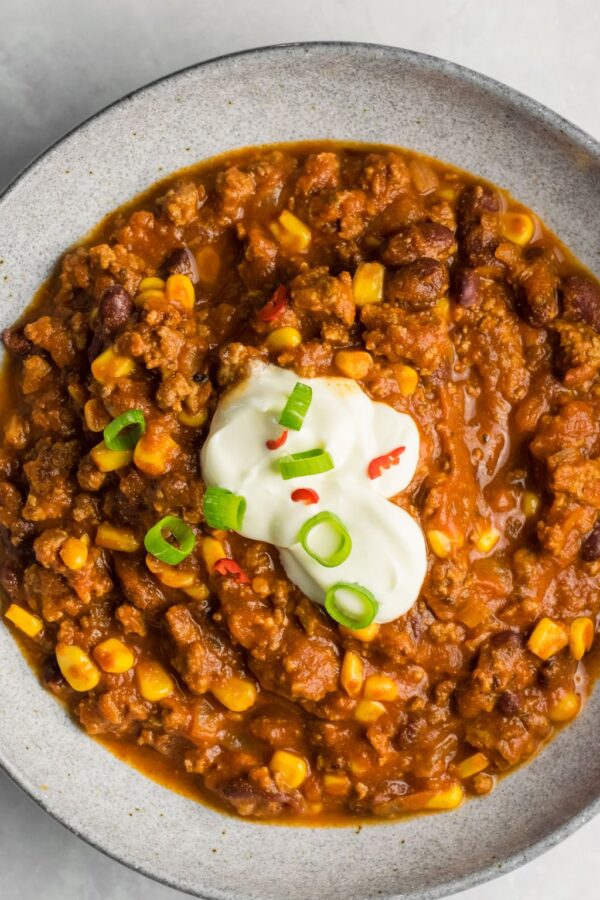
16 Stick to Your Ribs Winter Stews and Chilis

15 Cozy Fall Soups Worth Making Again and Again