
The Outdoor Spaces Everyone Wants — And Why They Work
An all-inclusive guide, decoded by trend, for designing patios that feel elevated and intentional.
Your patio isn’t a side project. It’s the first room people remember.
Great outdoor areas are not created randomly. They are designed with the same care as an indoor living space, considering things like materials, different levels of lighting, and how people will move through the space. What outdoor areas have that indoor spaces do not is the natural beauty of the outdoors.
We researched hundreds of the most desirable outdoor spaces – patios, courtyards, outdoor rooms, etc and decoded what makes them desirable, and how you can use those same principles to apply them to your own space, no matter the budget.
Every great outdoor space falls into one of these narratives
Every trend goes beyond being merely an aesthetic — it’s a comprehensive design philosophy that involves particular materials, spatial approaches and lighting techniques to create an integrated experience.

The Sunken Lounge
Seating areas with recesses and fire pits offer intimacy through architecture, not just furnishings.
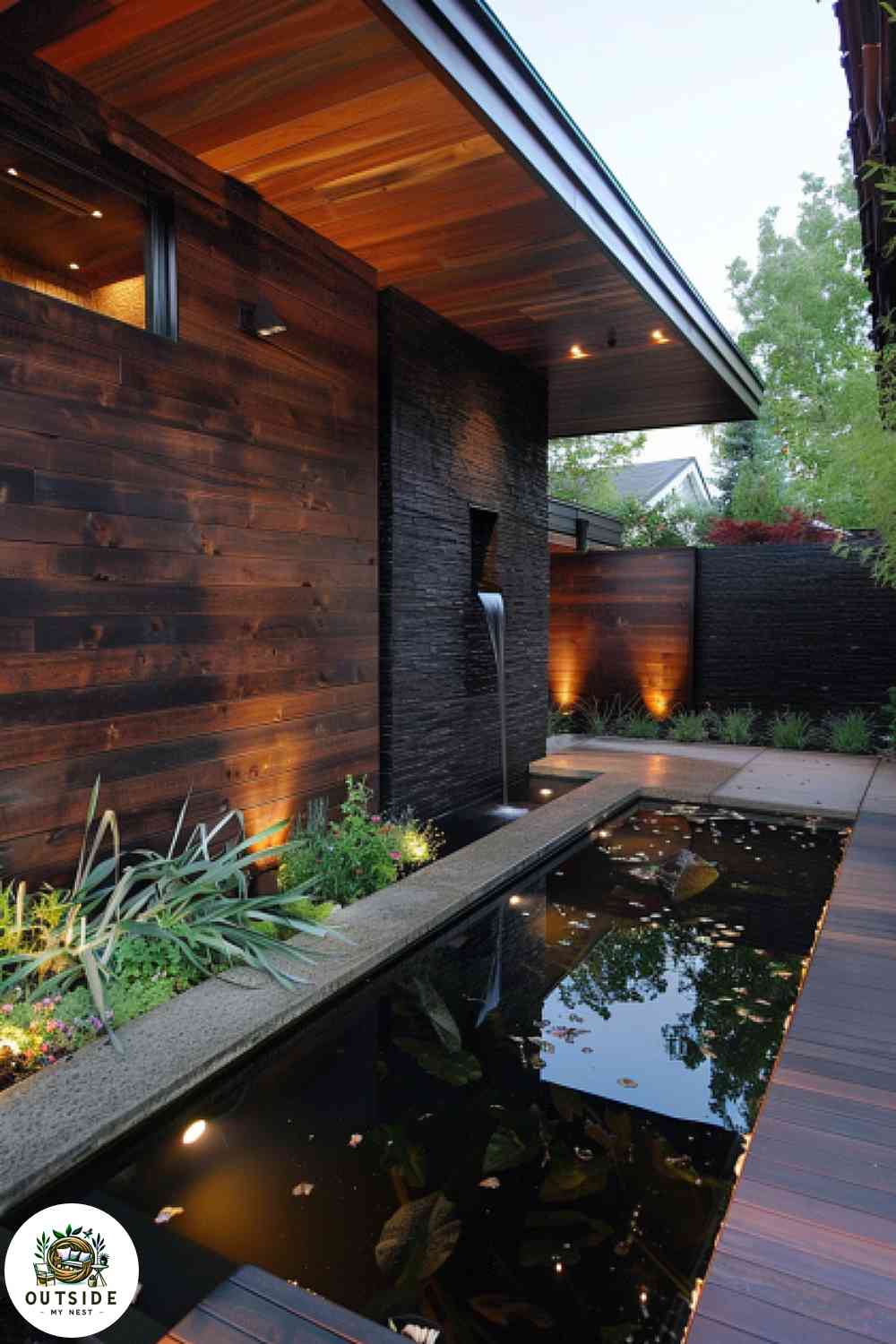
Water & Wood
Th warm, natural look of wood, paired with flowing water, is a combination that will never grow old.
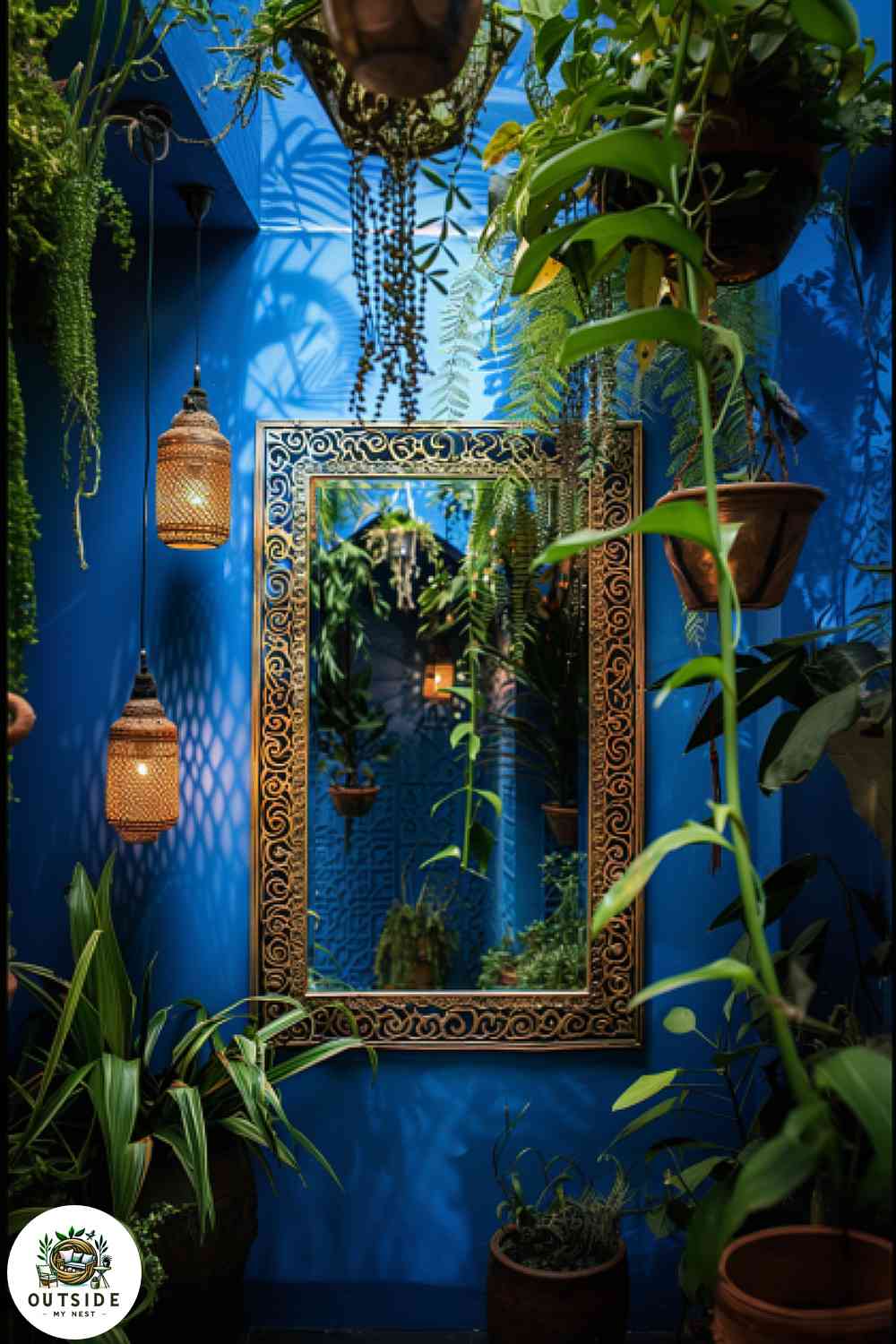
Global Artisan
Moroccan blues, Tuscan terracotta, Japanese zen — tell cultural stories.

The Glass Garden
Sunrooms fully integrated with the home and garden surroundings.
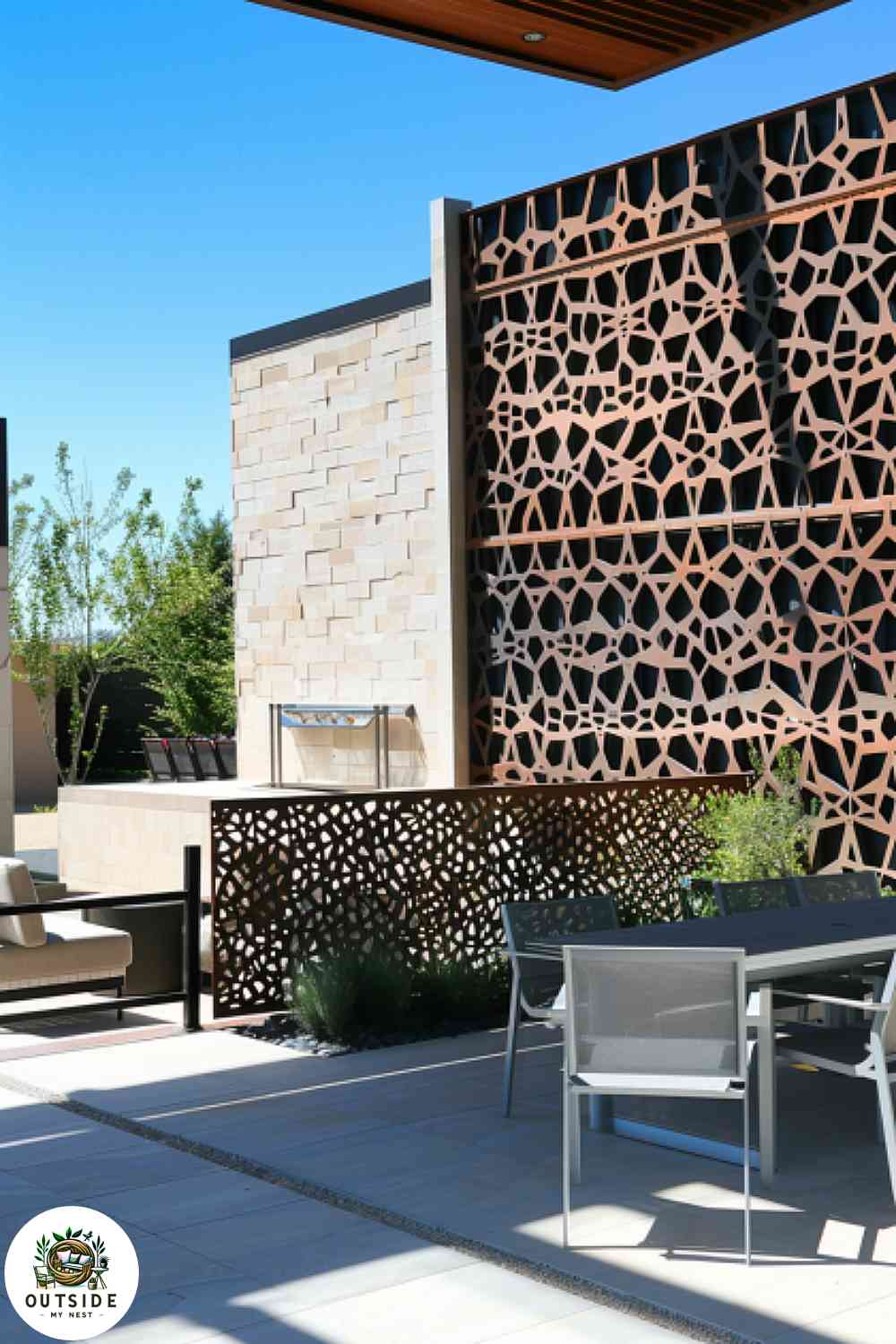
Sculptural Screen
Decorative privacy screens provide seclusion while acting as a piece of artwork.
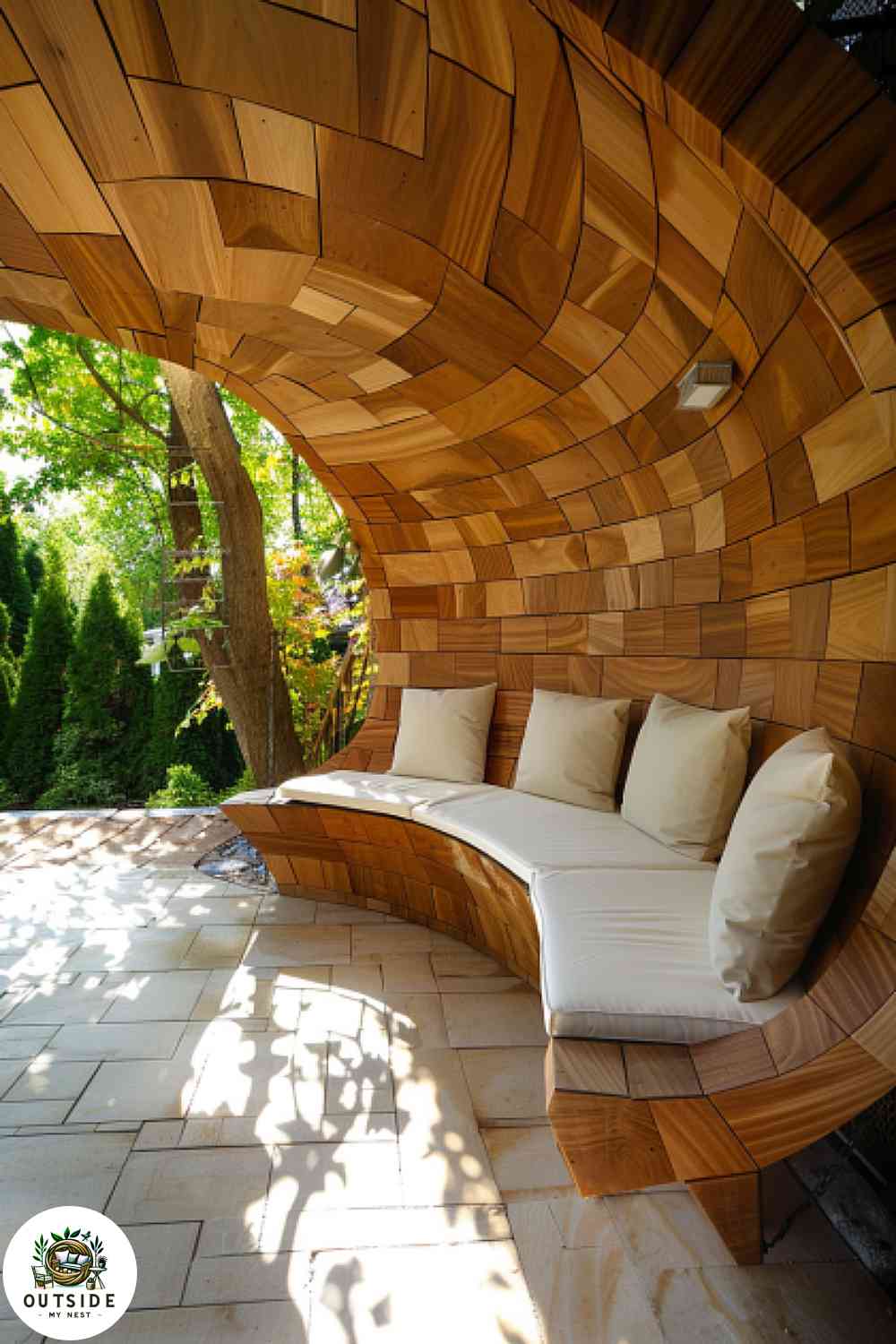
Organic Architecture
Curved shapes and organic materials make the building itself the design statement.
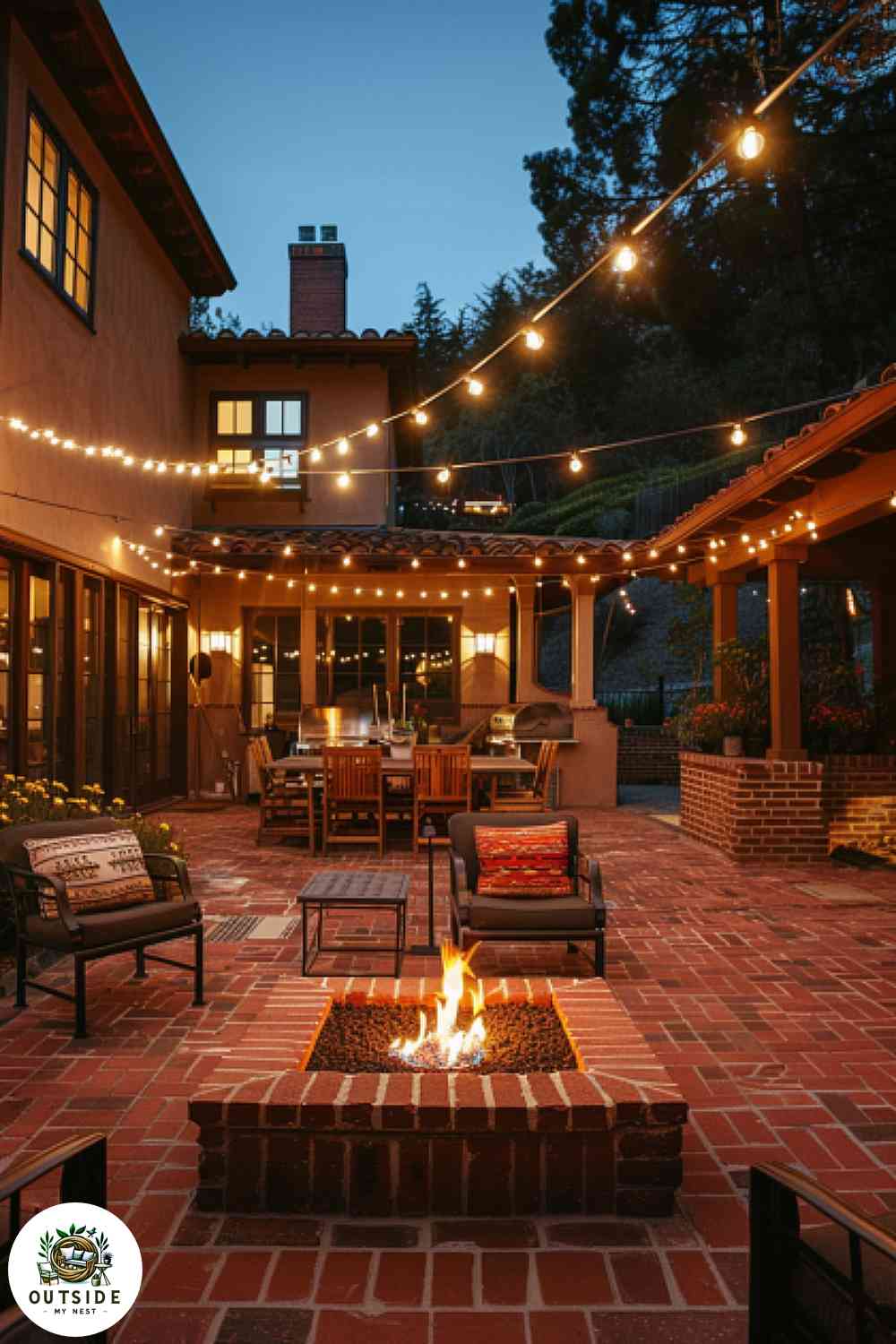
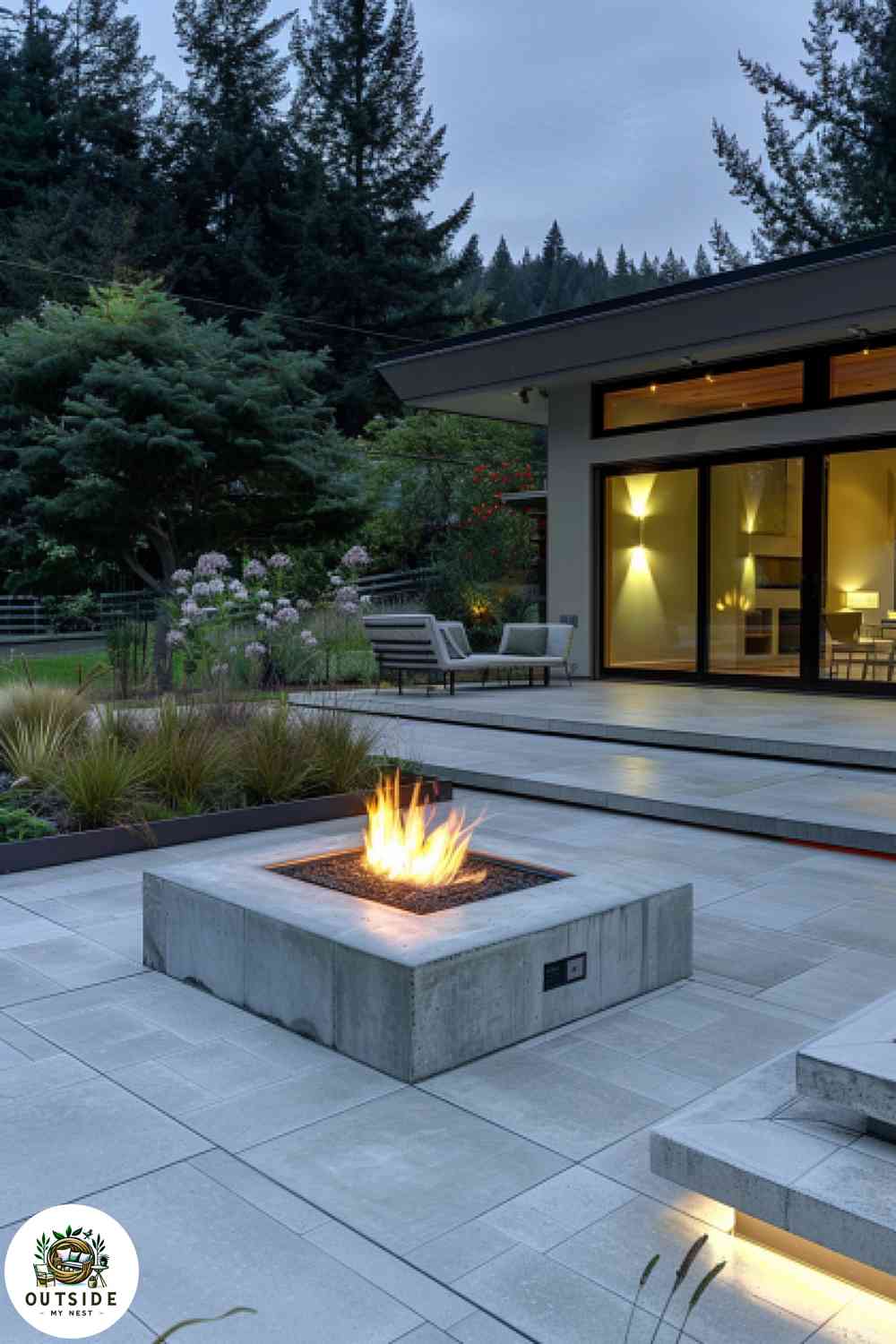
A fire pit isn’t a feature. It’s the anchor of the entire space.
The patios we studied had a monocentric design feature that made them successful: there was something that drew patrons in and made the space come to life after dark. Most of the cases the center was a fire feature – be it a sunken concrete pit with integrated seating or a modest brick hearth with string lights.
The main difference is not the way the fire feature is designed; rather, it is the intention to make it the central element of the design, as opposed to an element tucked away into a corner.
Position your fire feature first, then arrange all other seating to face it. The best patios treat fire like living rooms treat a fireplace; everything revolves around it.
Clean lines and concrete change the conversation
Modern fire pits have come a long way from the rustic styles of the past. Today’s top designs incorporate materials like poured concrete, cor-ten steel, and large-format pavers in a way that turns a fire feature into a sculptural piece. The overall effect is much more subdued and architectural, allowing the flames to be the main focus.
They demonstrate the importance of discretion, from the limited material palette: one or two surfaces and minimal plantings, to the discreet lighting that is integrated into stair treads and wall caps instead of mounted on poles.
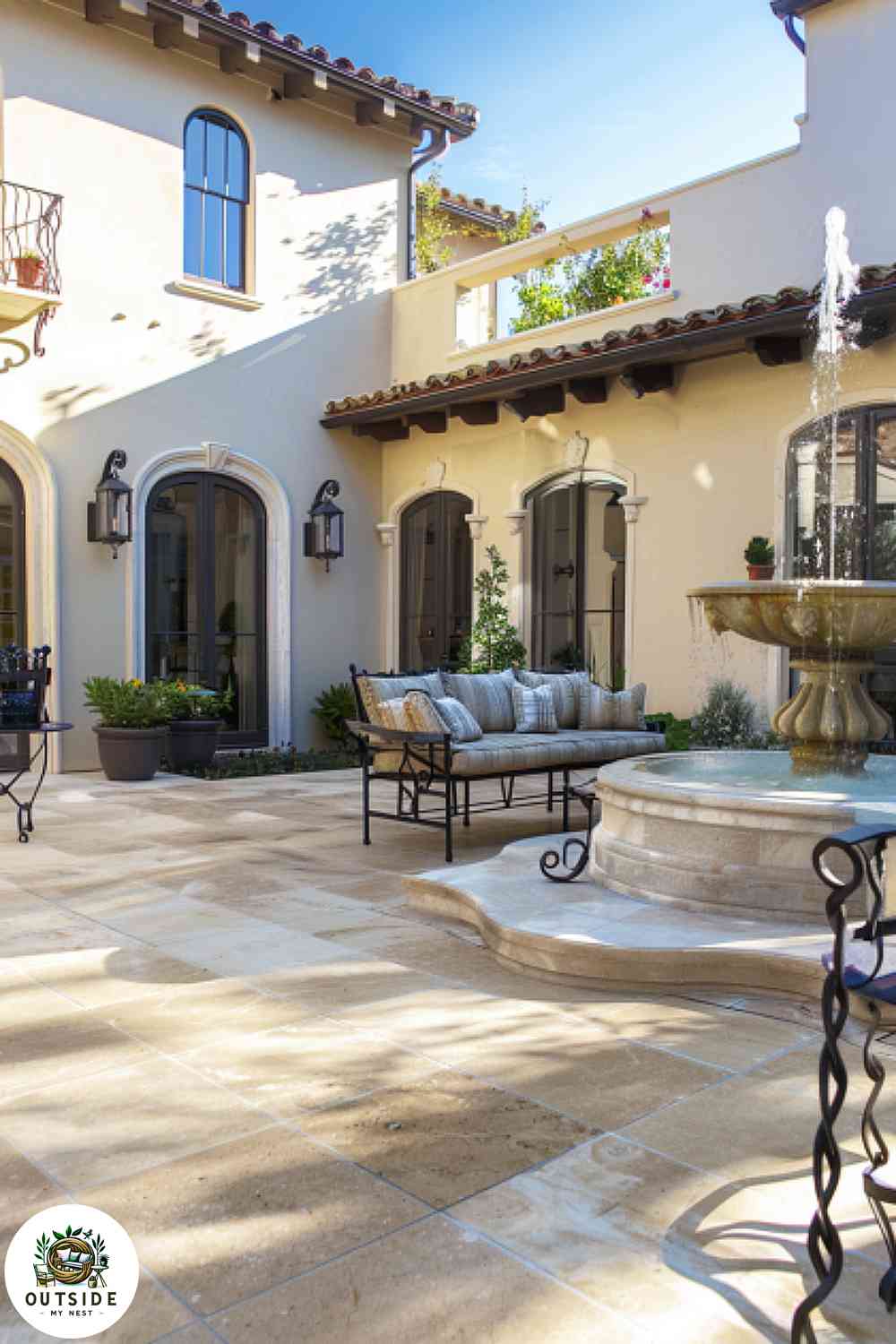
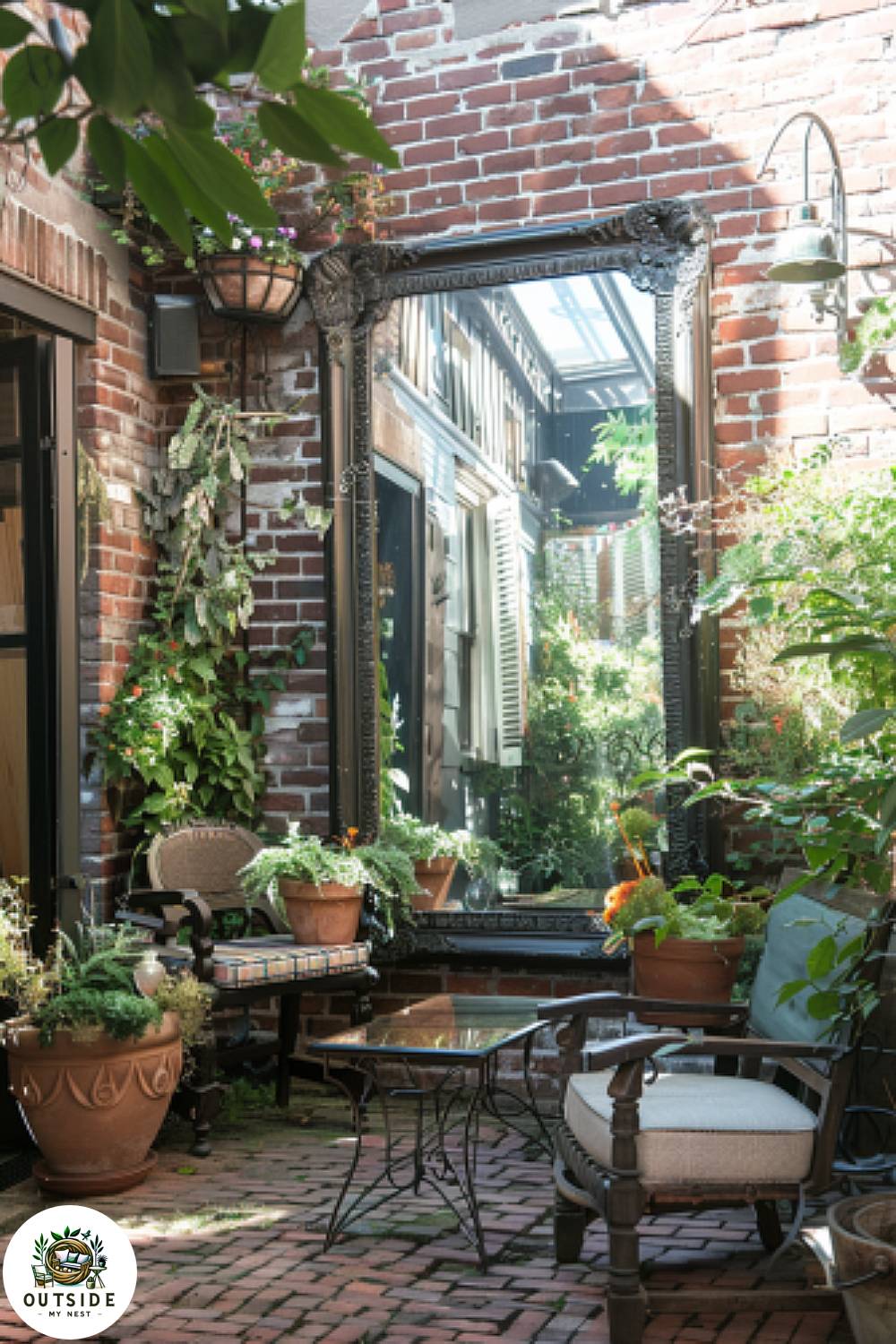
The wall behind your patio is half the design
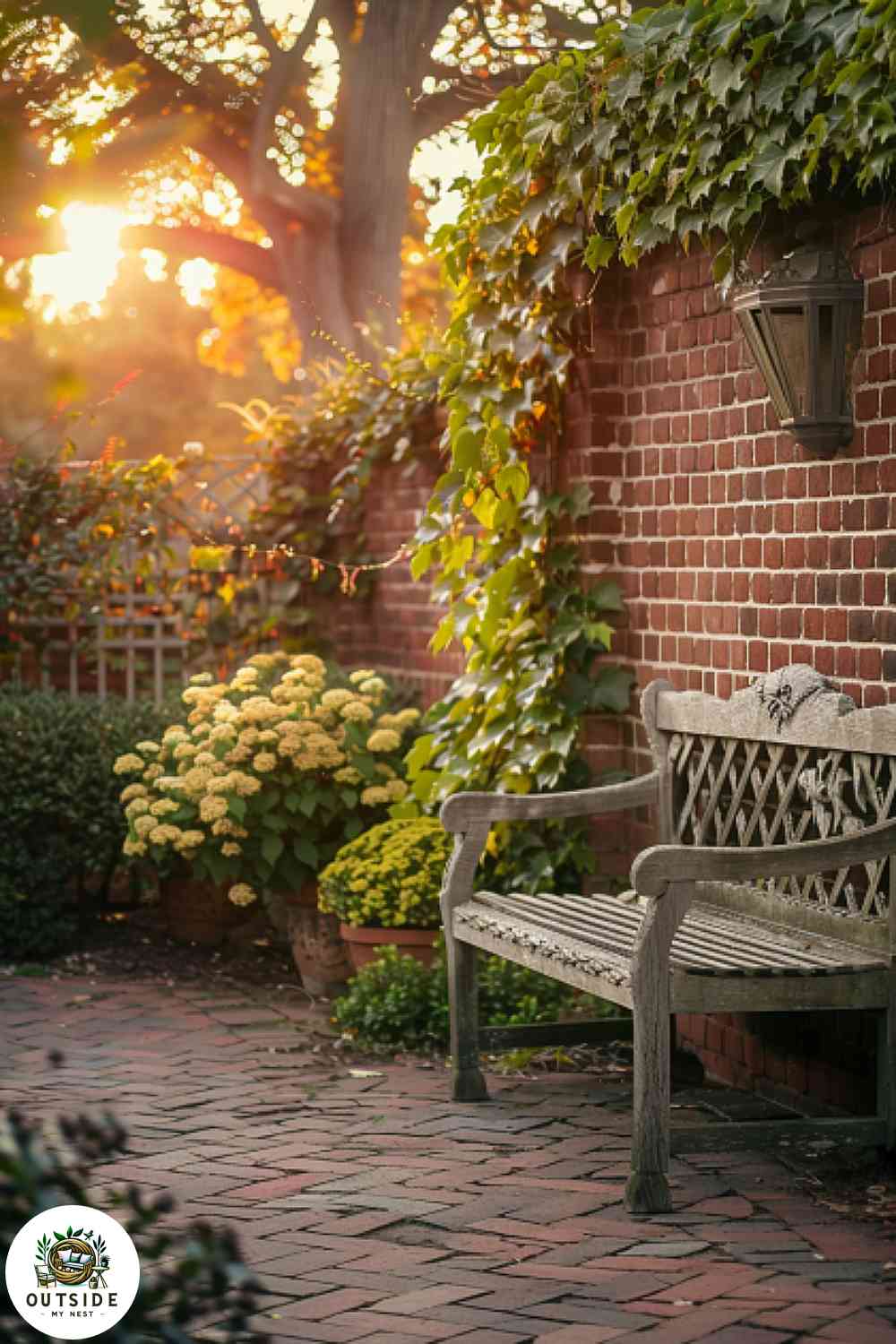
Most homeowners overlook walls. Walls are blank canvases that can be transformed into stunning focal points. With the addition of an oversized mirror, climbing vines, a water feature, or even some open shelving, walls go from being a boundary to a beautiful backdrop.
The secret is to scale. When it comes to outdoor spaces, small decorative objects become inconsequential. The most effective wall treatments are those that make a single, large gesture, such as a full-height trellis, an oversized mirror, or a substantial change in material. It is better to avoid scattering small pieces.
A large mirror on a brick wall has three functions. It reflects plants (making the garden seem larger), brings light to dark areas, and adds depth to tight spaces.
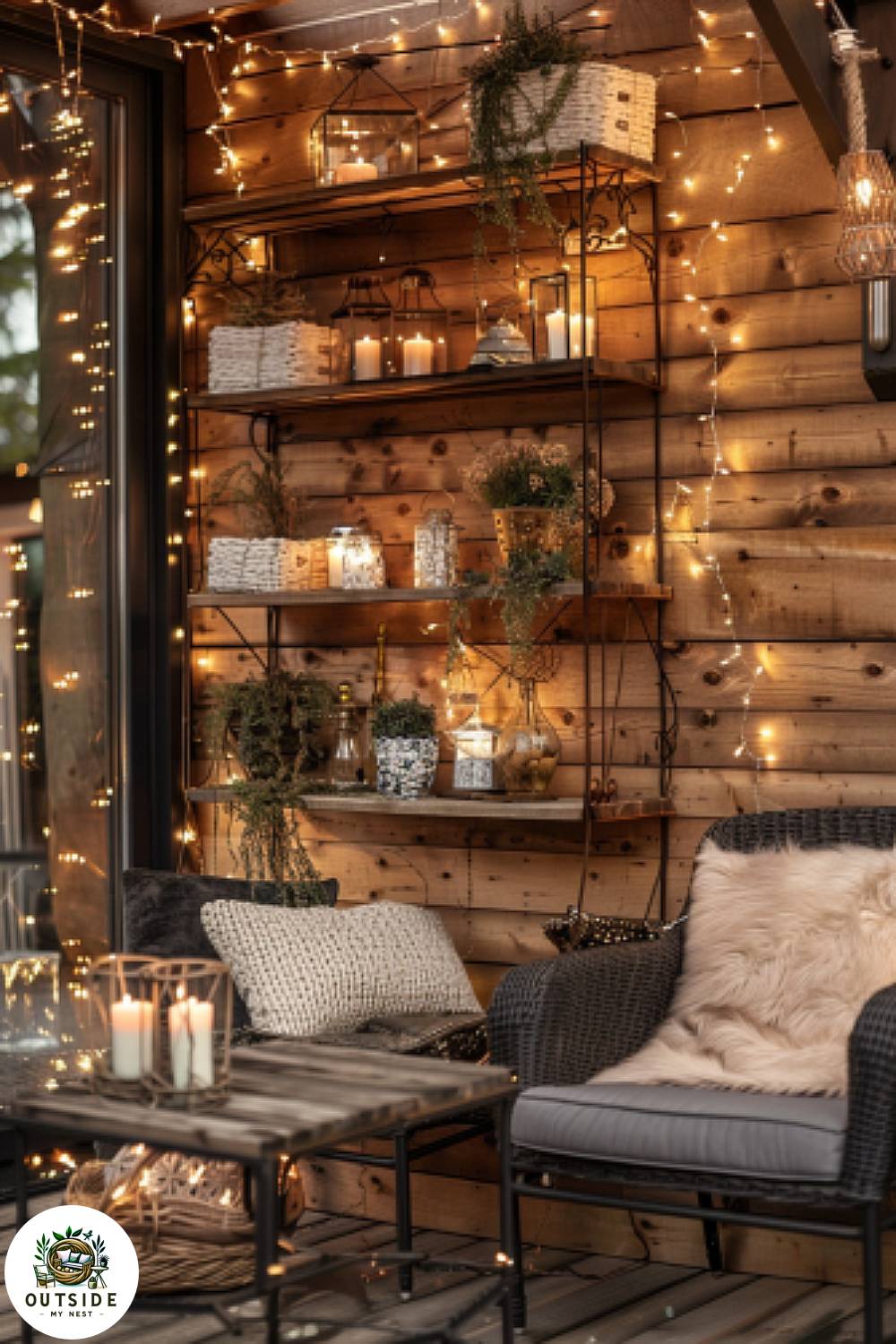
Shelves, lights, and layered warmth
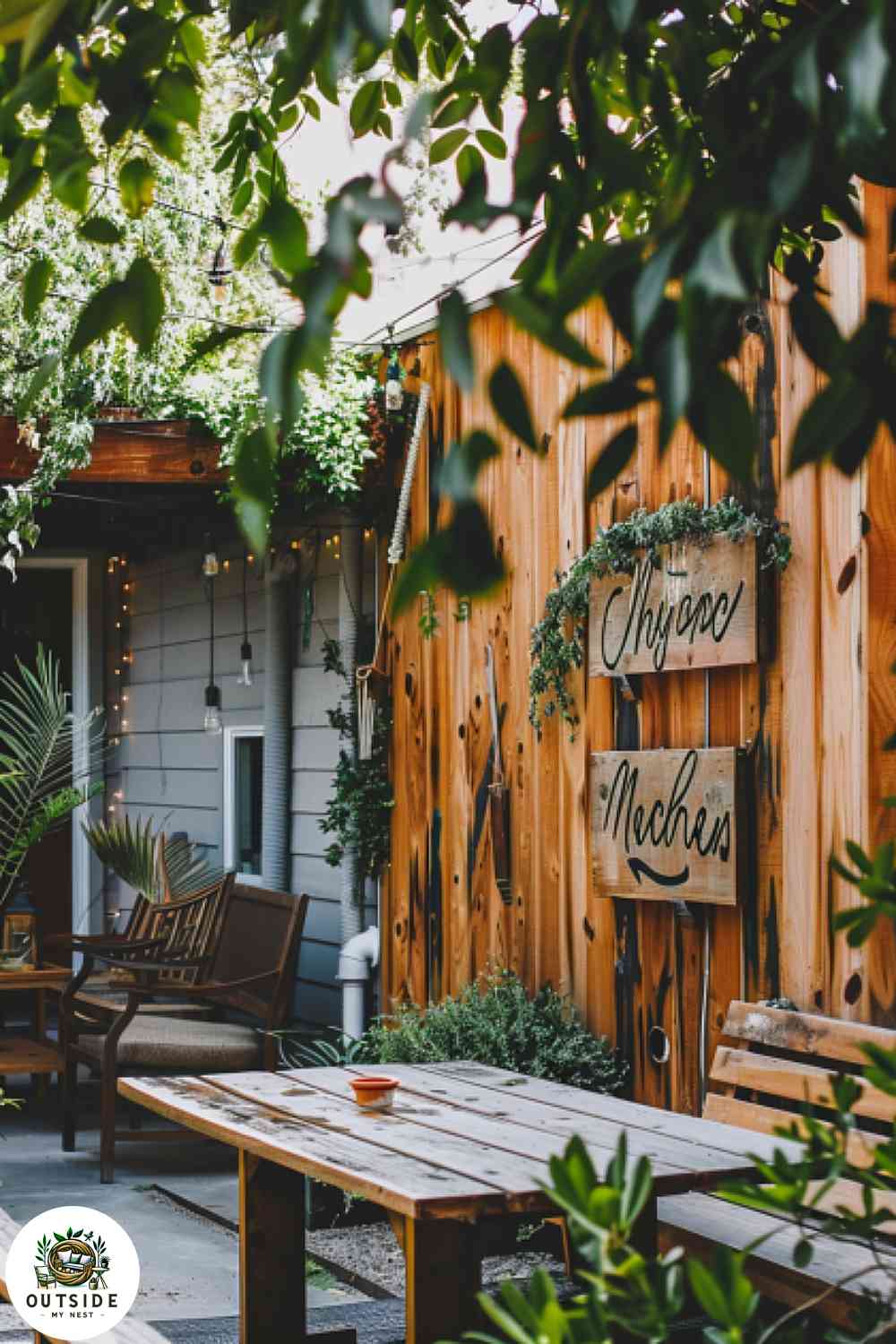
It’s easy to see why outdoor shelf walls are one of the most requested patio features. They take a flat surface, like a fence, and turn it into a decorative canvas for your imagination with lanterns, trailing plants, glass hurricane candle holders, woven baskets, and more. The space instantly feels more inviting and the features can be changed with the seasons for a fresh look.
Fairy lights wrapped around the shelves create a beautiful, ambient glow, much more attractive than the bright lights above. It is a space that people want to take pictures of, like the look of a boutique hotel.
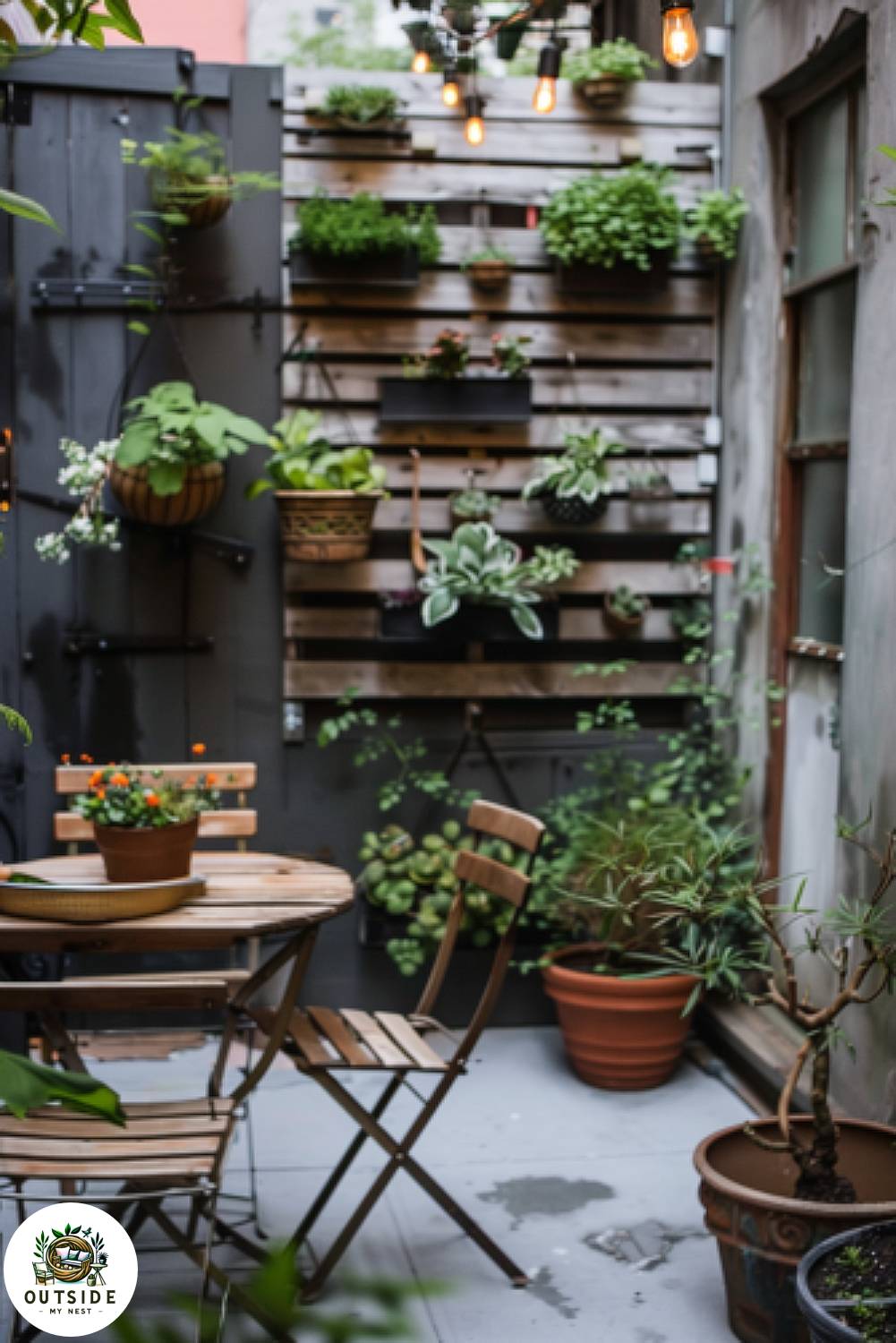
An apartment patio can feel like a secret garden
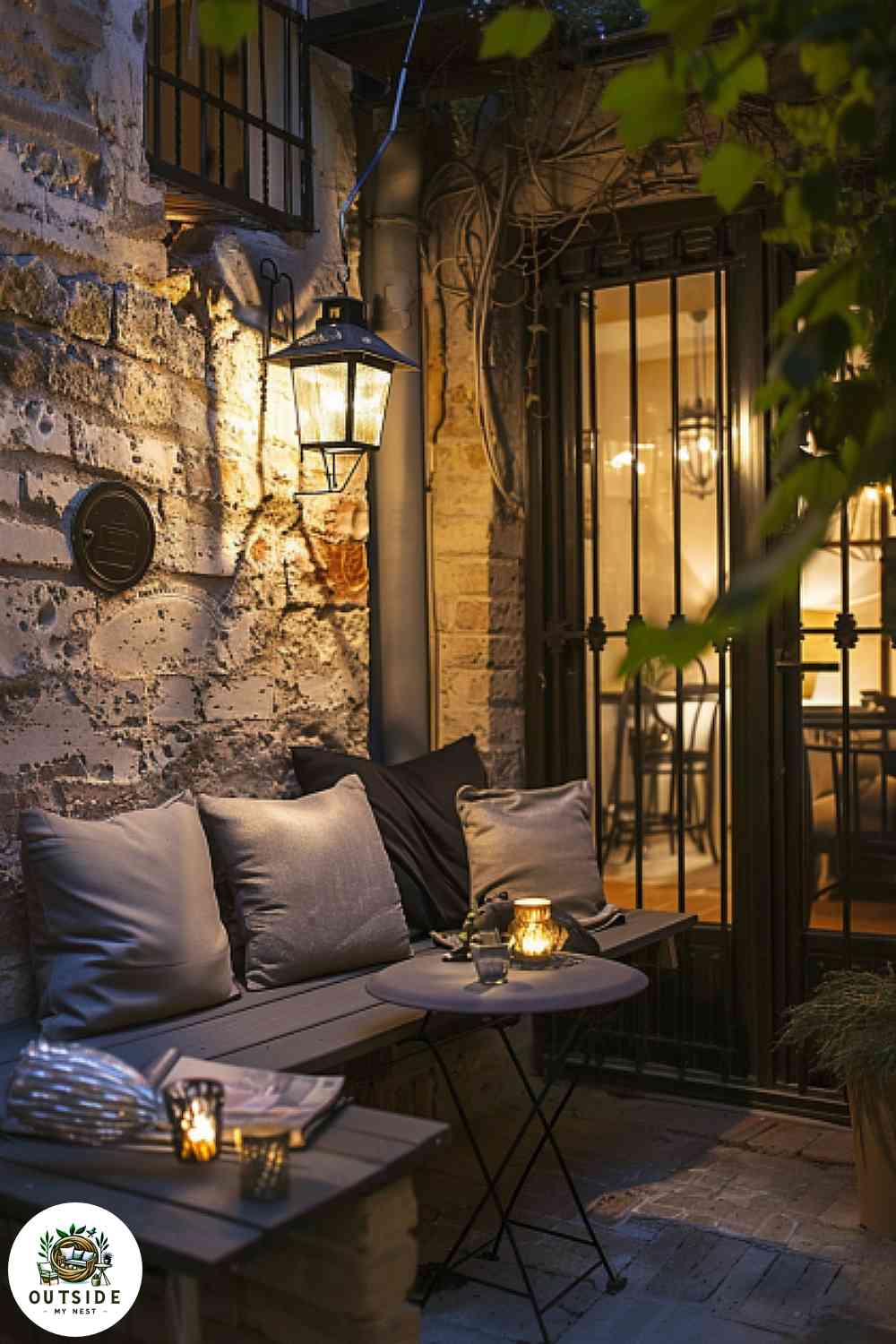
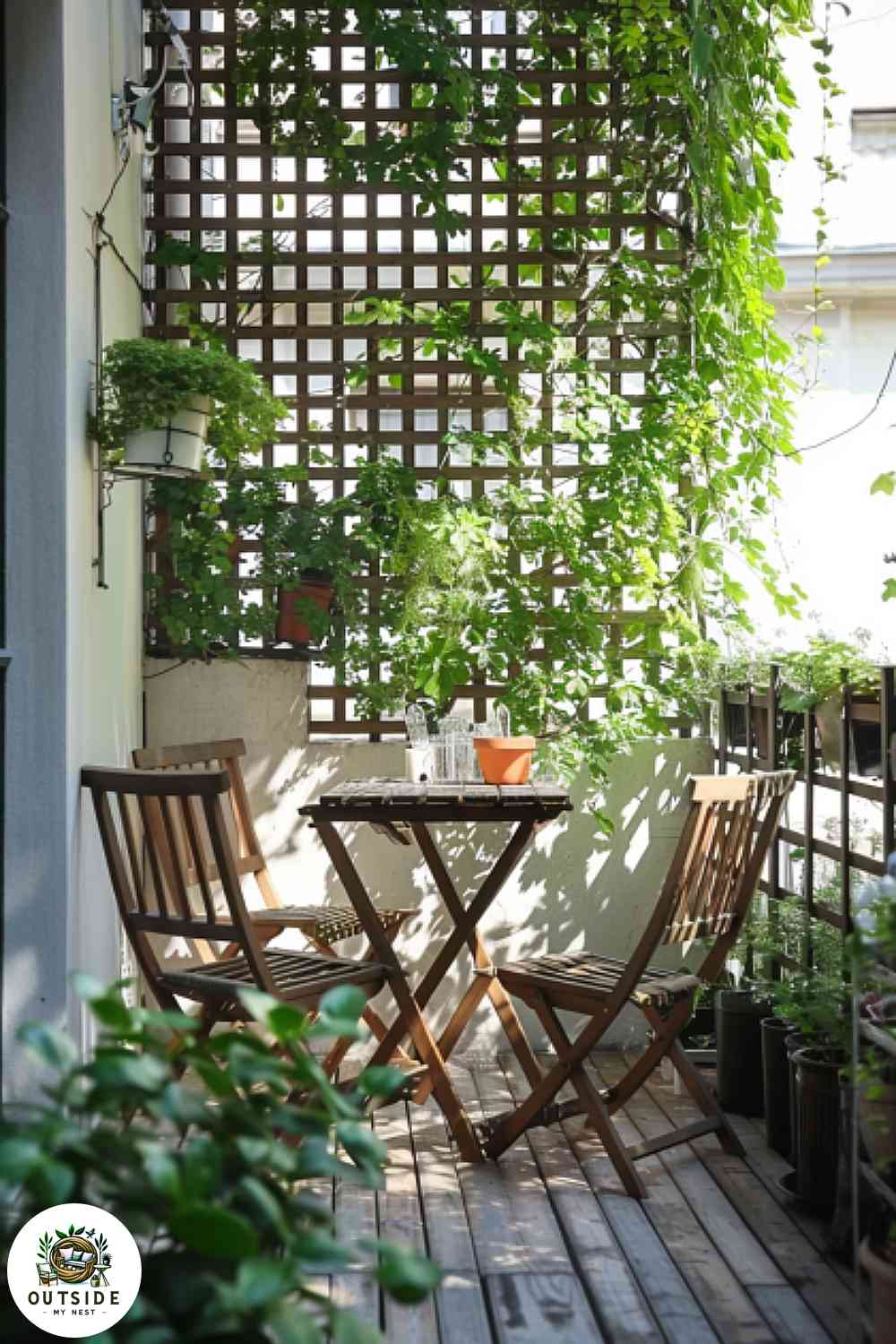
Several of the most interesting outdoor spaces we discovered were the least likely. A slender balcony with a lattice partition adorned with verdant climbing vines. A courtyard scarcely eight feet across that has a bistro table and a vertical herb garden made of salvaged pallet wood. A miniature landing with a bench and cushions, as well as a single wall-mounted lantern.
What all these designers have in common, is the refusal to treat smallness as a limitation. Rather, they embrace intimacy, building an outdoor room that feels like a private retreat because of its size.
Go vertical! When you can’t expand horizontally, utilize pallet planters, lattice walls with vines, and hanging shelves. Be sure to keep the floor clear, except for one purposeful seating arrangement!
Every space tells a different story
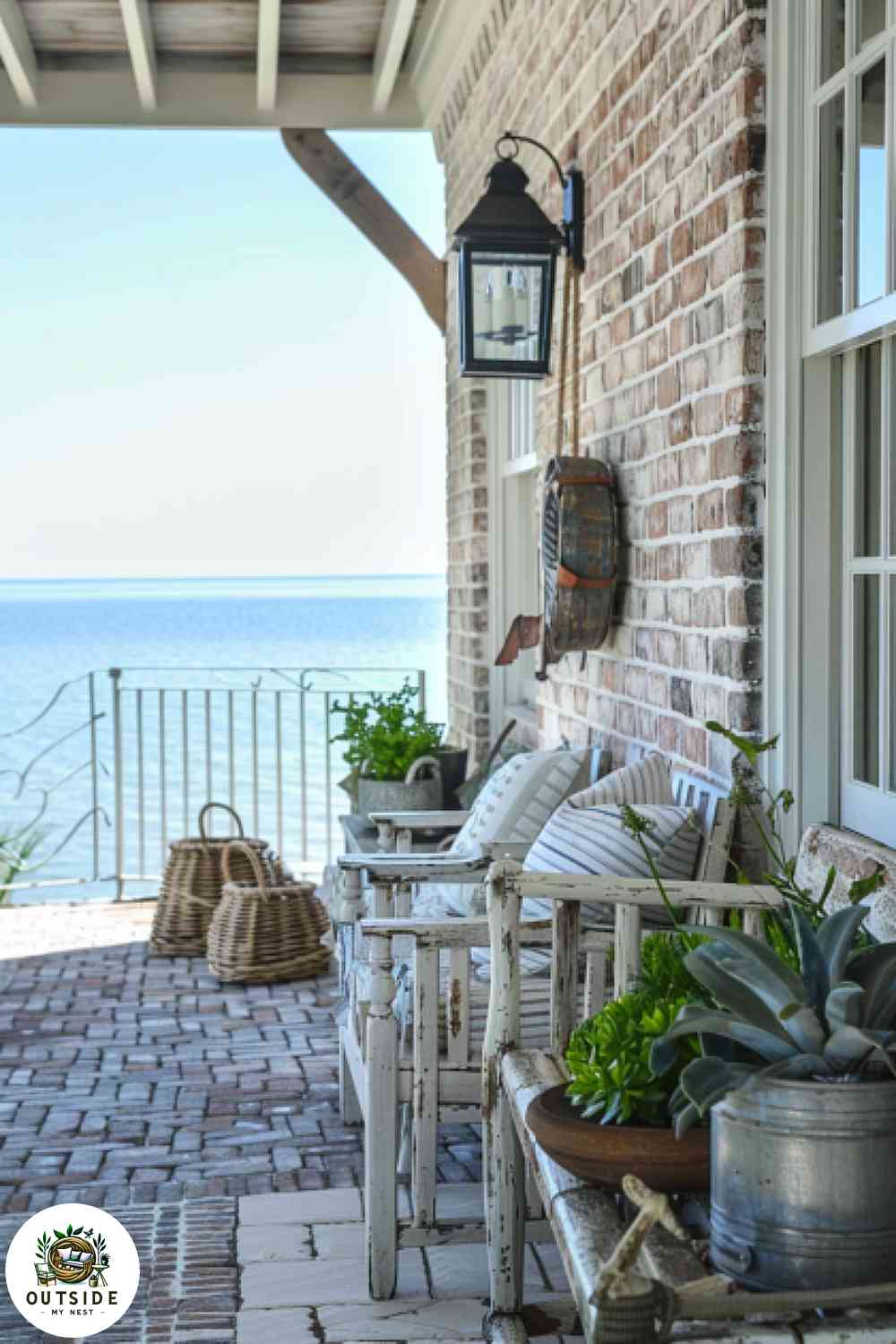
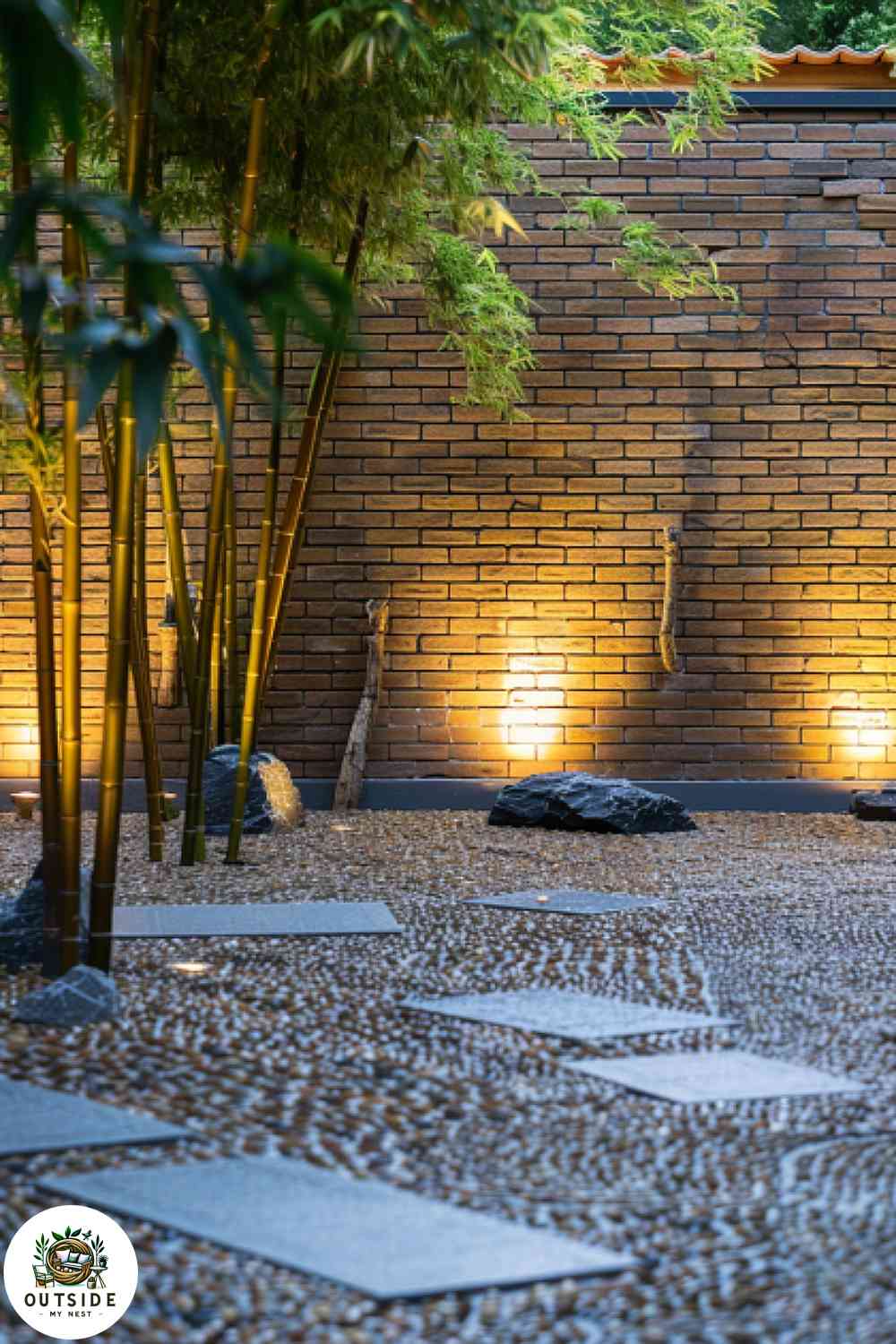
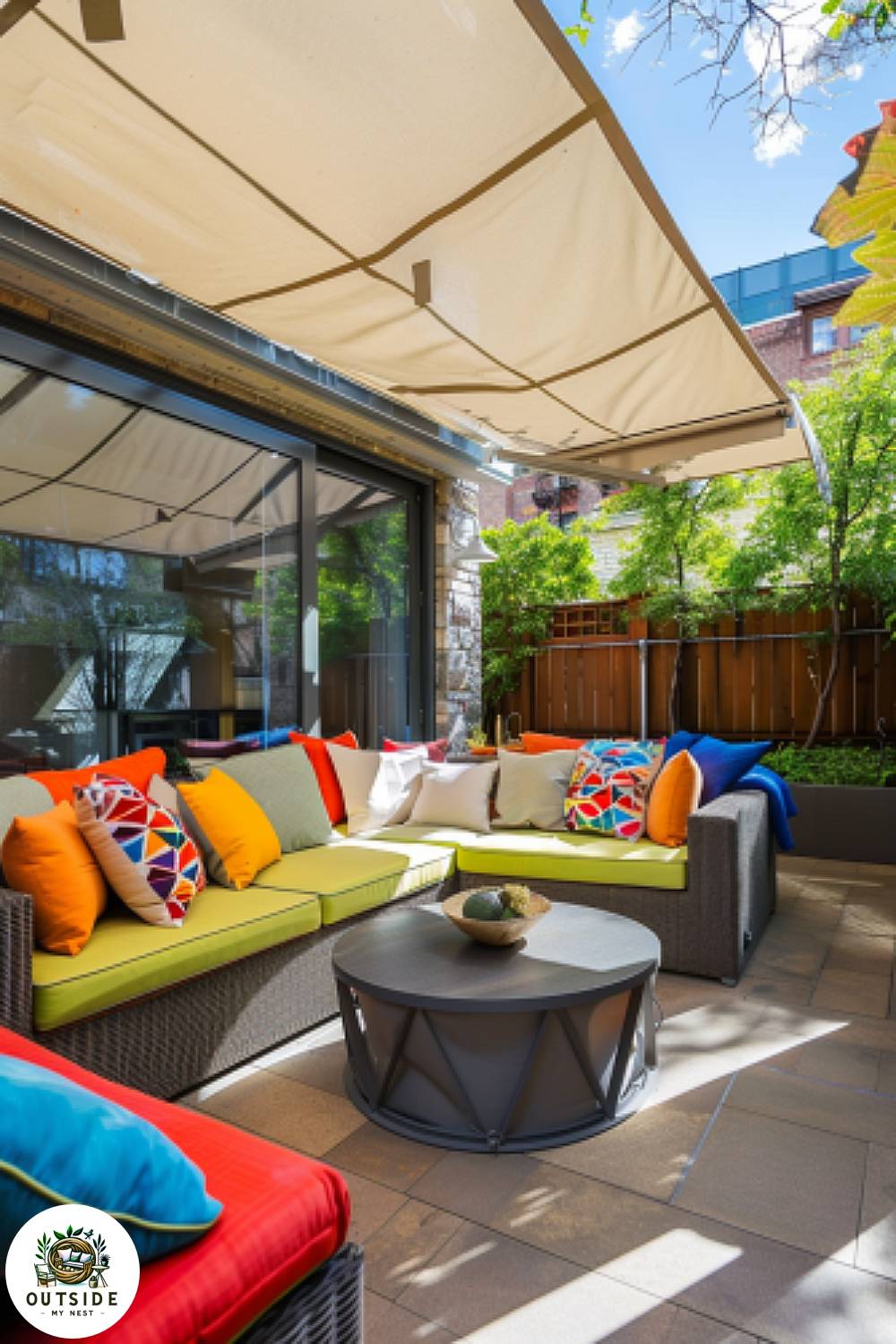
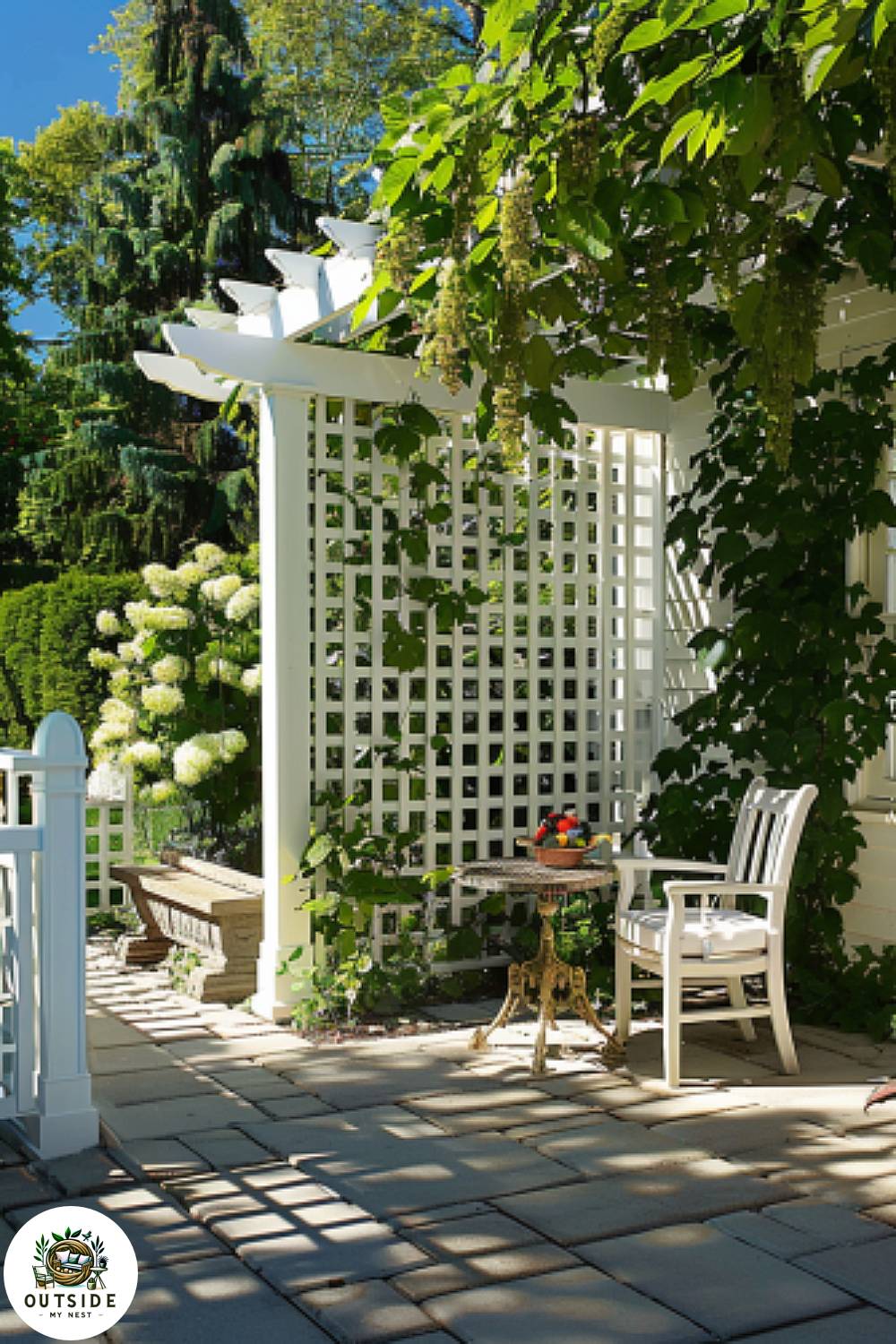
The possibilities are endless in the outdoor design world. From coastal cottages, Zen gardens, Tuscan estates, and modern rooftops, the only limit is your imagination.

Four principles that make any patio work
Patios that feel “right” share the same designs regardless of style, budget, or size.
One Anchor
All great patios have a focal point like fire, water, large mirrors, showy plants, etc. Choose one and design the area around it. Two competing anchors cancel each other out.
Three Layers of Light
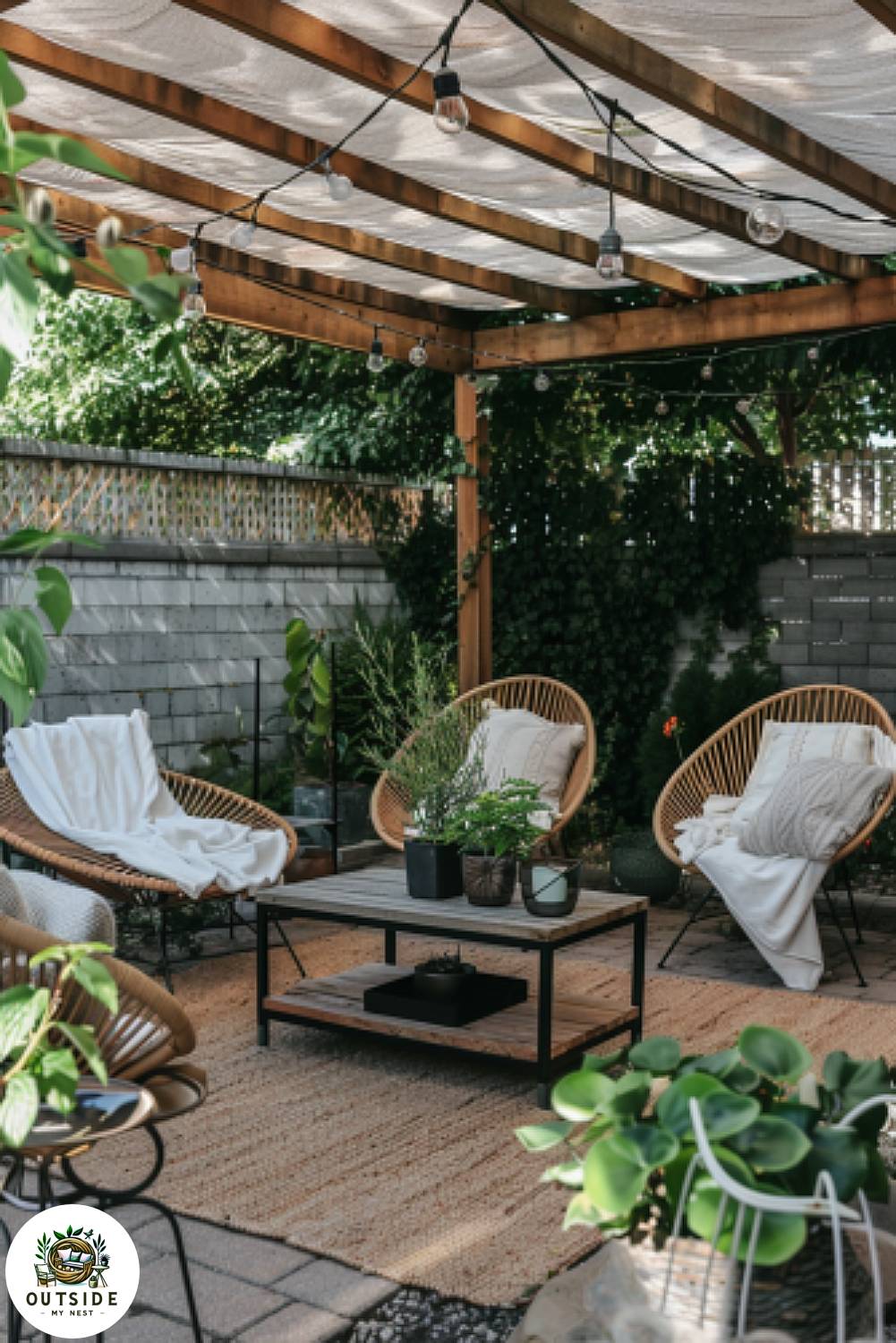
If you ignore a layer, the space feels flat. Ambient (string lights, canopy), mid-level task (wall lanterns, sconces), and low accent (step lights, candles) are at what levels?
Material Restraint
Try to stick to two or three types of hard materials. For example, Brick and wood. Concrete and steel. Stone and timber. Patios that look ‘busy’ are almost always using too many materials.
The Vertical Plane
The walls, fences and vertical surfaces are your other half design canvas. A patio that has nice flooring and empty walls, will always appear unfinished, no matter how costly the decor is.
Ready to build a patio that actually works?
Check out all our design guides, chosen products, and other planning documents. You’ll find everything you need to build an outdoor area you’ll love.