This Is What I Notice When a Couple Has Usually Given Up on Each Other
Tom and I had an old friend and her husband over for supper on a cold Saturday in February. We have known them since our kids…

Tom and I had an old friend and her husband over for supper on a cold Saturday in February. We have known them since our kids were small. They sat across from us at the kitchen table, and before the pot roast was even served I knew something was wrong. Nobody said a harsh word. Nobody cried. It was quieter than that.
After they left, Tom dried the dishes and said what I was thinking. Those two are done. Not divorced. Not fighting. Just done. I kept going back over the evening, trying to name what I had seen. So I did what I usually do when I cannot sort something out on my own. I asked readers of this blog who had been through the end of a marriage what they noticed before anybody said the word.
The replies came in all week. I read them at the table each morning with my coffee while Tom worked on the back step that has been loose since fall. Some of the patterns matched what I saw at supper. Some of them I recognized from our own hard stretches. Here is what I found.
They stop asking about each other’s day

Our friend told a long story about a mix-up at the pharmacy. It was a funny story. Her husband did not look up from his plate. When she finished, he said nothing. Tom asked a follow-up question, and she turned toward him with a kind of relief. Later her husband mentioned a problem with his truck, and she did not ask what happened to it.
Marlene K., 58, of Dayton, Ohio, wrote that she realized her marriage was over in a parking lot. She had news from the doctor and she caught herself deciding not to tell her husband because he would not ask about it anyway. She called her sister instead.
When nobody asks, the stories go somewhere else. That is the pattern to watch.
They correct each other in front of company

At one point our friend said the drive over took forty minutes. Her husband said it was closer to half an hour. She said the traffic was bad. He said the traffic was fine. None of it mattered, but it went on for a while. Tom and I just waited it out.
I have done this. I have corrected Tom about a date or a name in front of our kids, and I have seen his face close up. It is a small thing. It is also a way of saying you cannot be trusted to tell a simple story.
Couples who still like each other let the little errors slide. Couples who have given up fix every one.
Nobody says thank you for the ordinary things

Her husband refilled her water glass without being asked. She did not notice. She passed him the rolls before he reached for them. He did not notice either. They were still taking care of each other in small ways. They had just stopped acknowledging it.
Tom says thank you when I hand him a cup of coffee. He has done it for more than thirty years. I used to think it was a habit left over from his mother. Now I think it is one of the reasons we are still here. It is a way of saying I see you.
The thanks go first. The kindness lasts a while longer. Then the kindness goes too.
They stop touching in passing

I watched them at the coat rack. She reached for her scarf and he reached for his hat, and they moved around each other like two people in a store aisle. No hand on the back. No bump of the shoulder. Nothing.
Rich D., 61, of Spokane, Washington, wrote that he could not remember the last time his wife touched his arm on purpose. He said it was not about romance. He said it was about being a stranger in his own hallway.
Tom pats my hip when he squeezes past me at the stove. It is not a big gesture. It is the kind of thing you only stop doing when you have decided you do not need to anymore.
Every small choice turns into a standoff

Tom asked if they wanted coffee or tea. She said tea. He said he wanted coffee, and then he said she should have coffee too because she would be up all night either way. She said she would have tea. He shook his head. Tom made both and the subject died.
Carol A., 54, of Chattanooga, Tennessee, wrote that near the end, she and her husband could not agree on which gas station to stop at. They sat in the car at an intersection until a man behind them honked. She said neither of them could give in because giving in felt like losing.
When neither person can let the other have a small win, it means the big ones are already gone.
The jokes get an edge
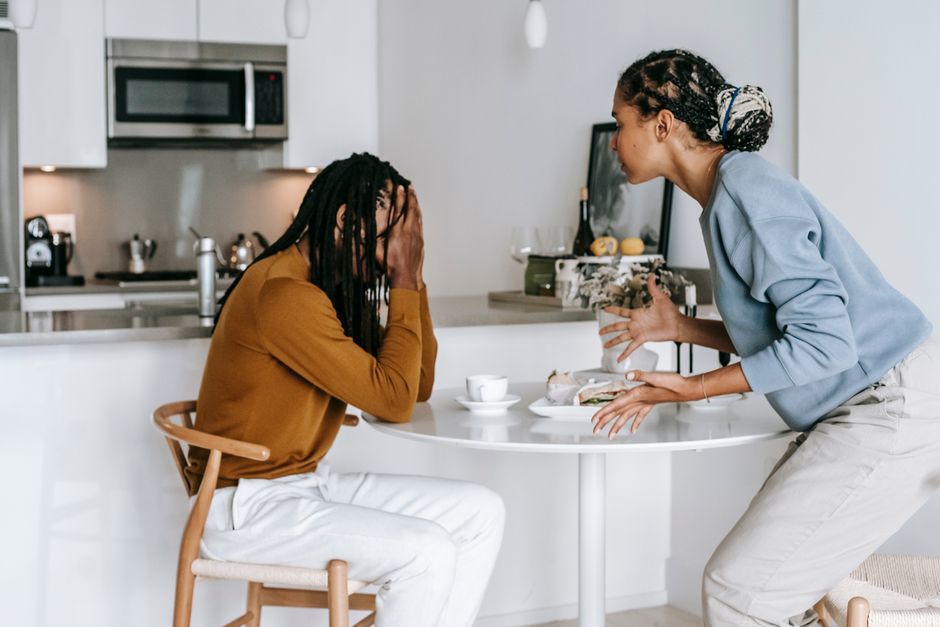
Her husband told a story about her backing into the mailbox. It was told as a joke. She laughed, but it was the laugh you give a boss. Then she told one about him forgetting his own brother’s birthday. He laughed the same way.
I know the difference because I have heard Tom tease me about my driving for decades, and I have never once felt small about it. The joke is for both of us. It was not that way at our table on Saturday. Each one was a point scored.
Teasing between people who love each other makes both of them laugh. Teasing between people who are finished makes only one of them laugh.
They talk about the future as two separate people

She mentioned she had been looking at a trip to see a cousin out west. He said he had a fishing weekend coming up. I waited for one of them to say something about a trip together. It did not come. Each plan was an I. There was no we in anything either of them said about the months ahead.
Gene P., 66, of Lincoln, Nebraska, wrote that this was the one that told him. His wife started talking about where she might want to live when she retired. She did not say where they might want to live. He said he did not even bring it up. He just heard it.
Listen to the pronouns. People tell you where they are headed long before they pack.
Apologies stop coming from either side

He knocked over the gravy boat reaching for the salt. It got on her sleeve. He said nothing. She dabbed it with a napkin and said nothing. I handed her a dish towel and she thanked me, which was more than she gave him.
In our house, Tom would have said sorry before the gravy hit the cloth, and I would have said it was fine. That exchange takes about two seconds. It is not the words. It is the fact that both of us still think the other one is worth the words.
When sorry stops being said, it is because both people have decided the other one does not deserve it.
Separate plans get made without a word

She found out at our table that he had agreed to help a neighbor move the following Saturday. He found out at our table that she had signed up for a class on Thursday nights. They each looked surprised, then not surprised. Neither one asked about it. They just filed it away.
Tom and I check with each other before we commit to anything that takes up a whole day. It is not about permission. It is about living a life that still fits together. If I stopped asking, it would not be because I got more independent. It would be because I stopped caring what his week looked like.
Two calendars with nothing shared on them are a sign that the sharing is done.
They stop fighting entirely

I want to be careful here. Some couples do not fight because they have worked things out. That is different from this. Our friend’s husband said something about her mother that would have started a real argument a few years ago. She did not take the bait. She did not even flinch. She just changed the subject to the weather.
Sharon T., 49, of Bangor, Maine, wrote that the quiet was worse than the yelling. She said when the yelling stopped, it was not peace. It was that she no longer thought any of it was worth the energy. She said she knew then that she had checked out.
Nobody argues about things they have stopped caring about. Watch for the fight that does not happen.
Meals happen apart more than together
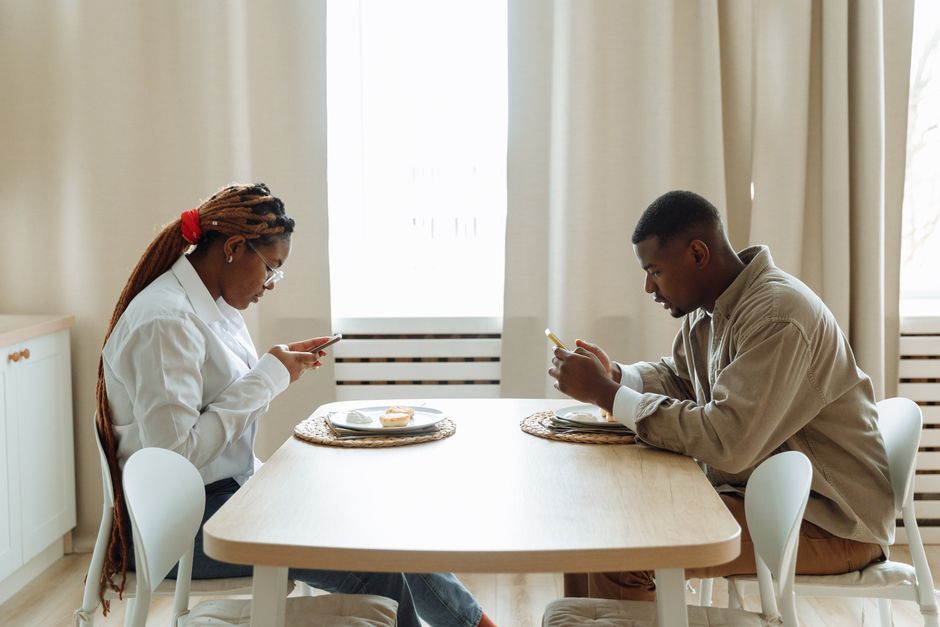
She mentioned that she usually eats at her desk and he eats in front of the news. She said it like it was practical. He agreed that it was practical. It was practical. It was also the first time in a long while they had sat down to a meal across from each other, and it was at my house.
The site used to be about cooking, so I will say this plainly. The table is where you find out how someone’s day went. It is where you notice a sunburn or a new worry. Tom and I have eaten supper together nearly every night since our youngest left for college. The house is quiet enough already.
When two people stop sitting down together, they stop finding out about each other.
Neither one defends the other to family

Her sister had apparently said something unkind about her husband at Christmas. She told us this story at the table, with him right there. She did not say she had stood up for him. He did not look like he expected her to. Then he told one about his brother making fun of her cooking. He had let it go too.
Tom’s family has had plenty to say about me over the years, and some of it was fair. He has never once let it pass without a word. I have done the same for him with my side. That is not about being right. It is about which team you are on.
If you would not defend them in a room they are not in, you have already left the room yourself.
The small news goes to someone else first

She told me about her new grandchild’s first tooth. Her husband looked up and said he had not heard about that. She said she told her daughter and her friend from church. She had not thought to tell him. It was not meant to be cruel. That was the sad part.
I called Tom from the grocery store last week because the cashier said something funny. It was not important. I just wanted him to hear it. He was the one I wanted to tell. That urge is a sign of a marriage that still works. When the urge goes to someone else, the marriage is running on paperwork.
Pay attention to who hears your news first. That is where your heart is.
They stop asking each other to come along

Toward the end of the night Tom mentioned a hardware store sale. Her husband said he would go check it out Sunday. He did not ask her if she wanted to ride along. Then she mentioned a craft fair the same afternoon. She did not ask him either. They both just assumed the other would not want to.
Tom asks me to come to the hardware store every single time. I say no about half the time. He asks anyway. I think it is because the point was never the hardware store. The point is that he would rather have me in the truck than not.
When the invitations stop, it is because the answer no longer matters.
They look relieved when the evening ends

This was the one that stayed with me. When they stood to go, both of them seemed lighter. Not because our company had been bad. Because the evening together was over and they could go back to their separate corners. She went out to the car first. He stayed to thank Tom. They did not walk out together.
Tom and I have had long stretches when things were hard. I will not pretend we have not. But I have never felt relief at being away from him. I have felt tired. I have felt frustrated. I have never felt that.
If being together feels like a shift you are getting through, then the shift is already over.
I will say one more thing before I close. These patterns are what I saw at my own table and what readers told me from their own lives. They are not a diagnosis. Some marriages have a bad winter and come back. Some have gone quiet because of grief or illness or plain exhaustion, and a quiet marriage is not the same as a dead one. And if there is anything happening in your home that goes beyond coldness, anything that scares you, a counselor or a hotline is the right call, not a blog post.
Tom finished the back step on Friday. He came in with sawdust on his sleeves and asked if I wanted to drive out and look at the river now that the ice was going. I said yes. I thought about our friends the whole way there.
Which of these patterns would you have noticed first?