What Women Secretly Expect Men to Do and Almost None Do
This spring we had a week of rain. The yard was too wet for Tom to do anything outside, so my husband spent most mornings at…

This spring we had a week of rain. The yard was too wet for Tom to do anything outside, so my husband spent most mornings at the kitchen table with his coffee and the crossword. I spent the same mornings across from him with a stack of printed emails.
A few weeks earlier I had asked the readers of this blog a plain question. What do you quietly wish a man would do without being asked? I expected a handful of answers. I got hundreds. I printed the ones that made me nod, and I read them at the table while the rain hit the window and Tom filled in his squares.
What follows are the answers that came up most often. Each reader gave me permission to use her name, her age, and her town. I added what I noticed about my own husband that same week, because after more than thirty years of marriage I have opinions too. Some of these things Tom does. Some he does not. I will be honest about which is which.
Notice she is worn out and step in without a word

The first reply I read that rainy week came from Carla M., 47, of Dayton, Ohio. Carla wrote that she does not want a man to ask what he can do to help. She wants him to look at her face at the end of a long day, see that she is done, and start loading the dishwasher. Asking makes it her job to assign work. Seeing makes it his.
That evening I came in from the grocery store soaked and tired. Tom looked up from the television, looked at me, and went back to the television. I put the bags away myself. Later I read Carla’s email out loud to my husband. Tom said, “I would have helped if you asked.” That was exactly her point.
The lesson is simple. A man who pays attention does not need a request.
Remember the small thing she mentioned in passing

During my rainy week of reading reader emails at the kitchen table, I came across a note from Denise R., 52, of Spokane, Washington. Denise wrote that she once mentioned, while folding laundry, that she had always wanted to see a certain singer live. She did not ask for tickets. She did not bring it up again. Months later her husband surprised her with a pair. Denise said it was the only time in their marriage that it happened, and she still talks about it.
I read that one twice. Tom remembers the score of a football game from years ago. Tom does not remember that I said I wanted new pillows for the guest room. Men can remember things. They choose what to file away.
Remembering a small wish tells a woman she was heard the first time.
Ask about her day and then listen to the whole answer

Maria T., 39, of Tucson, Arizona, sent me a reply that I read at my kitchen table while Tom worked his crossword across from me. Maria wrote that her husband asks how her day was every evening. Then he nods, says “that’s good,” and picks up his phone before she has finished the second sentence. Maria said she would rather he not ask at all.
I watched Tom that week to see if he does the same. My husband does ask. My husband also tends to drift once I get to the part about my sister. I tested it one night and stopped mid-story. Tom did not notice for a full minute. When I told him, he laughed, and then he put the remote down and said, “Go on, then.” He listened to the rest.
Asking is easy. Staying for the answer is the real thing.
Handle his own jobs before she has to remind him
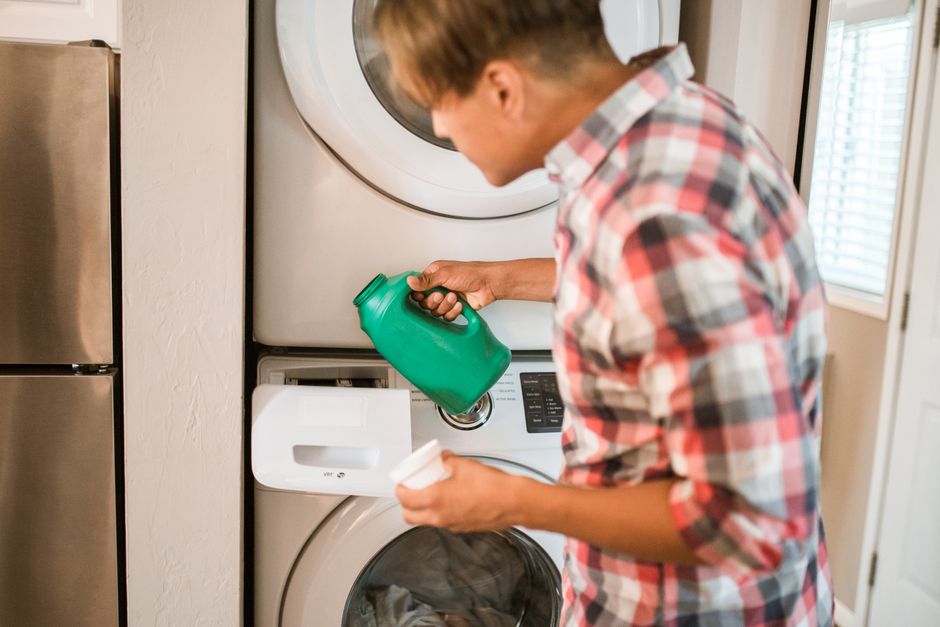
Joanne P., 61, of Albany, New York, wrote me a short and sharp email that I read during that wet week at the kitchen table. Joanne said she does not mind that her husband is in charge of the car, the gutters, and the furnace filter. What she minds is that none of those things happen until she brings them up. Then she gets told she nags. Joanne wrote that she would give a great deal to never say the word “filter” again.
I will be fair to Tom here. My husband does not need reminding about the gutters. Tom rakes leaves every Saturday in the fall without being told, and the car gets its oil changed on schedule. The furnace filter, though, is another matter. I read Joanne’s note to him. Tom got up and changed the filter that afternoon.
When a man tracks his own jobs, his wife stops feeling like his manager.
Speak well of her when other people are in the room

In the middle of my rainy week at the kitchen table, I opened an email from Beth K., 44, of Raleigh, North Carolina. Beth wrote that her husband jokes about her at every gathering. The jokes are not cruel. They are small digs about her cooking or her driving, and everyone laughs. Beth said what she secretly wants is for him to say something kind about her in front of their friends. Just once. Not a toast. Just a plain good word.
I thought about the last time my kids and grandkids were over for Sunday dinner. Tom told our oldest that I had handled a hard phone call with the insurance company better than he could have. I did not think much of it at the time. Reading Beth’s note, I realized how rare that is.
A kind word in public is worth more than a dozen in private.
Say sorry first and leave off the excuse

Sharon L., 58, of Omaha, Nebraska, sent me a reply that I read on a gray morning that week while Tom refilled both our coffee cups. Sharon wrote that her husband apologizes, but every apology comes with a tail. “I’m sorry, but you started it.” “I’m sorry, but I was tired.” Sharon said she has never once heard him say “I was wrong” and stop talking.
I asked Tom if he thought he did that. My husband thought about it and said he probably did. Then he said, “I’m sorry, but I don’t think I’m as bad as that guy.” I pointed at the email. Tom caught it, grinned, and said, “Fine. I’m sorry.” No tail. That was the first clean apology I had heard in a while, and it was about nothing at all.
An apology without a “but” lands. An apology with one bounces off.
Plan the evening instead of asking where she wants to go

That rainy week, reading reader emails at my kitchen table, I found a note from Priya S., 36, of Plano, Texas. Priya wrote that her husband says “whatever you want” every time they go out. He thinks it is generous. To Priya it means she picks the restaurant, calls for the table, finds the sitter, and checks the weather. Priya said she would love for him to say, “We have a reservation on Friday. Wear the blue dress.”
I read this to Tom. My husband said, “But you always have an opinion.” True. I also have an opinion about carrying every plan by myself. On the Friday of that same week, Tom booked a table at the fish place we like and did not tell me until the afternoon. The food was fine. The not planning was wonderful.
Choosing the place is a small way of carrying the load.
Deal with his own mother and his own family himself

Gail W., 65, of Lansing, Michigan, wrote me an email I read at the kitchen table with the rain coming down outside. Gail said that for most of her marriage she has been the one who calls her mother-in-law, buys the birthday cards for his side, and smooths over the family arguments. Gail’s husband is a good man. He has also never once called his own sister to settle something. Gail wrote that she does not want to be the secretary for his family anymore.
Tom and I have had this exact fight. For years I was the one who called his folks on Sundays. At some point I stopped, and Tom was surprised when his mother asked why nobody called. Tom now makes those calls himself. It took longer than it should have.
A man’s family is his to tend, not hers to manage.
Notice when she has done something to the house or herself

Renee D., 49, of Boise, Idaho, sent a short reply that I read during my wet week of mornings at the kitchen table. Renee wrote that she painted the whole front hallway while her husband was at work. He came home, walked through the hallway, and asked what was for dinner. Renee said she did not want praise. She wanted him to see it.
I will admit I set a small trap for Tom that week. I moved the big chair in the living room to the other wall. My husband sat down in it that evening, in its new spot, and said nothing. The next morning Tom said, “Did you move this chair?” I told him I had, the night before. Tom said, “Huh. It’s better here.” That was late, but it counted.
Seeing what she has done is its own kind of thank you.
Put the phone face down when she walks into the room

In the middle of that rainy week, I read a note at my kitchen table from Tammy H., 55, of Little Rock, Arkansas. Tammy wrote that she does not expect her husband to give up his phone. She expects him to put it down when she sits next to him. Tammy said the worst feeling in her house is talking to the top of his head.
Tom and I have a rule about phones at the dinner table. It came after years of our kids staring at screens while the pot roast went cold. My husband keeps that rule. Outside of dinner, though, the phone is in his hand a lot. I noticed that week that Tom does set it down when I sit on the couch next to him. I had never noticed that before because I was busy being annoyed about the rest.
Putting the phone down says she matters more than whatever is on it.
Sit with her bad news without trying to fix it

Nicole B., 41, of Portland, Maine, sent me a reply that I read during the rainy week while Tom worked his crossword across from me. Nicole wrote that when she comes home upset, her husband jumps straight to solutions. He means well. Nicole said she wants him to say “that sounds hard” and sit with her for a few minutes before anyone solves anything.
My husband is a fixer. The week I read Nicole’s email, a friend of mine got a hard diagnosis. I told Tom at the table and started to cry. Tom opened his mouth, and I could see the plan forming. Then he closed it, put his hand on my arm, and sat there. That was all I needed. Tom told me later it was the hardest thing he did all week.
Sometimes the help she wants is a man who stays quiet beside her.
Keep the small promises as carefully as the big ones

That same week of reading reader emails at my kitchen table, I came across a note from Diane F., 63, of Fresno, California. Diane wrote that her husband has never cheated, never gambled, never done anything large. But he says he will be home by six and comes in at eight. He says he will call and does not. Diane said the big promises are easy to keep. The small ones are where trust gets worn down.
I thought about Tom and the small promises. My husband is good at these. If Tom says he will pick up milk, there is milk. If Tom says he will be back from the hardware store in an hour, he is. I had been taking that for granted. Reading Diane’s email, I stopped taking it for granted for at least a day.
Small promises kept are what let her relax.
Stand with her in front of the kids even when he disagrees
Kim A., 46, of Louisville, Kentucky, wrote an email I read on a wet morning that week at the kitchen table. Kim said that when she sets a rule with their teenagers, her husband sometimes undercuts it in front of them. He will say, “Oh, let them.” Kim wrote that she can take being disagreed with. She cannot take being disagreed with in front of the children.
Tom and I learned this the hard way when our kids were little. Our middle one figured out fast that the answer changed depending on which parent was asked. We finally agreed to back each other up in the moment and fight it out later in the bedroom. That rule has outlasted the kids living here. Now Tom backs me up in front of the grandkids, and we still argue about it afterward.
A united front in the moment is a gift to her and to the kids.
Touch her in passing without it leading anywhere
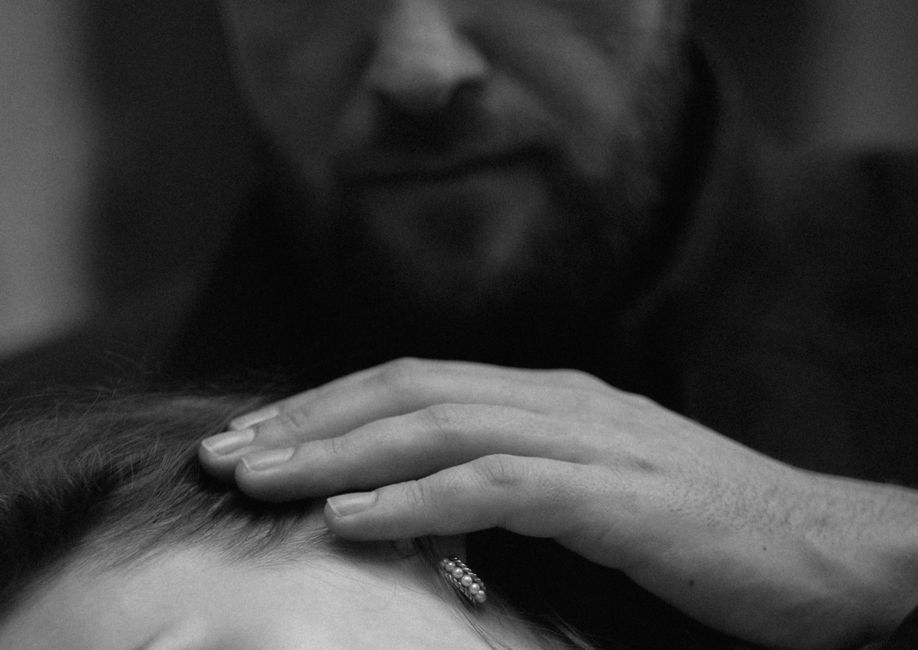
Ellen G., 57, of Burlington, Vermont, sent me a reply that I read at my kitchen table while the rain kept Tom indoors that week. Ellen wrote that her husband only touches her when he wants something. A hand on her back in the kitchen, a squeeze of her shoulder on the way past, those stopped years ago. Ellen said she misses being touched for no reason at all.
I watched for this in my own house that week. Tom does put his hand on my back when he passes behind me at the stove. I had not thought about it in years. When I told my husband a reader had written about this, Tom looked a little embarrassed and said, “I do that, don’t I?” I told him to keep doing it.
A hand on her shoulder for no reason tells her she is still wanted.
Say what he wants instead of making her guess

The last email I read during that rainy week at the kitchen table came from Monica J., 42, of Savannah, Georgia. Monica wrote that her husband goes quiet when something is wrong. She has to guess whether it is work, money, or something she said. Monica said she would give anything for him to just tell her. She does not expect him to talk for an hour. She wants a sentence.
Tom is better at this than he used to be. In the early years my husband could go silent for days and I would run through every possible cause. Now Tom will say “bad day at work” or “I’m worried about the roof” and leave it there. That one sentence saves me hours of guessing. I told Tom that week that it was the thing I appreciated most. Tom said, “Well, now you tell me.”
One plain sentence from him spares her a week of wondering.
By the end of that rainy week, the stack of printed emails was dog-eared and coffee-stained, and the yard had dried out enough for Tom to get back outside. I was left with a plain thought. The things these readers wished for were not large. Not a single woman asked for a trip or a piece of jewelry. Every reader asked for attention, in some form.
Tom does some of these things without thinking. Tom does not do others, and I have stopped pretending he will wake up changed. What I can do is say out loud which ones matter to me, and that week I did. My husband listened. Then he went and changed the furnace filter.
Which of these would you most want the man in your life to do without being asked?
Keep Reading