If a Woman Uses These Phrases, She’s Probably Been Through More Than You Think
The rental across the street sat empty most of last summer. Then in September a small blue car pulled up and a woman about my age…
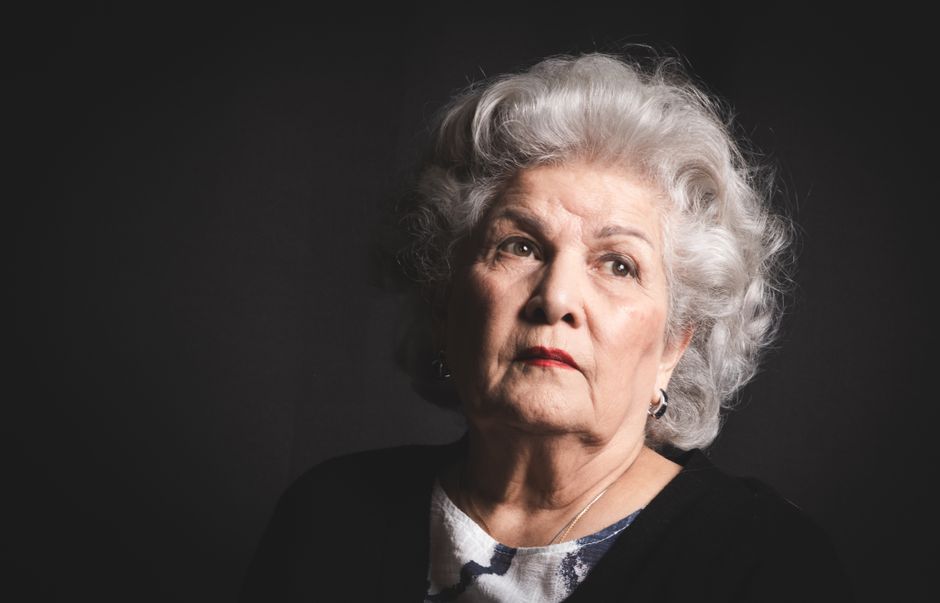
The rental across the street sat empty most of last summer. Then in September a small blue car pulled up and a woman about my age got out with two boxes and a cat carrier. Her name was Nora. I did what my mother would have done. I baked a loaf of banana bread and walked it over the next morning.
Nora was polite. She thanked me three times. She did not ask me in, and I did not push. But over that fall she came to sit on our porch a few evenings a week. Tom would bring out the coffee and then go find something to do in the garage. She never told us much about where she came from. She did not have to. The way she talked told us plenty.
I started writing down the things she said on the grocery pad by the phone. Then I asked readers of this blog to send me the phrases they catch themselves using, and why. The letters filled a shoebox. Here are fourteen phrases that came up again and again. If a woman in your life says them, slow down and listen.
I am fine, really

The first week Nora was across the street, I asked how she was settling in. She said she was fine. I asked if she needed help moving a dresser. She said she was fine. I asked if the furnace was working, since the last renters had complained. She said it was fine, really.
Tom heard her from the garage. Later he said, “That woman has said fine more times in ten minutes than you have in thirty years.” He was right. Fine was her front door, and it was shut.
Janice R., 59, of Peoria, Illinois, wrote me that she said “I am fine” for the whole last year of her first marriage. She said nobody asked twice, and she was relieved and also heartbroken that nobody asked twice.
A woman who says she is fine too fast has usually learned that the real answer did not go over well.
I can take care of it myself
In October a branch came down in Nora’s driveway during a storm. Tom walked over with the chainsaw before she had her coat on. She met him at the end of the drive and said she could take care of it herself. She had a handsaw. Tom looked at the branch, which was as big around as his leg, and then at the handsaw.
He did not argue with her. He just said he had the saw out already and might as well. She let him. She stood in the driveway the whole time with her arms crossed, watching, like she was waiting for the bill.
Later she told me she had learned to do most things herself because waiting on someone else had cost her too many times. She did not say who. She did not need to.
When a woman says she can do it herself, she is often telling you that nobody showed up the last time she asked.
It is not a big deal

Nora’s car would not start one cold morning in November. She walked to the pharmacy and back, about two miles each way. When I found out that afternoon, I nearly came apart. She shrugged and said it was not a big deal.
I have raised three kids. I know what “not a big deal” sounds like when it is a big deal. It has a flatness to it. The voice goes down instead of up.
Marilyn K., 63, of Bend, Oregon, wrote that she used to say “not a big deal” about everything from a missed birthday to a bounced check. She said it was easier than explaining why it hurt. She said she said it so often that her kids stopped believing anything was ever a big deal, and that was its own loss.
When the big things get called small, it is usually because the woman saying it has had to carry them alone.
I do not like to be a bother

We had Nora over for supper the first Sunday in December. I made a pot roast. Tom took the end piece, the way he has for more than thirty years. Nora sat at the table like it might be pulled out from under her.
She would not take seconds until I put them on her plate. She would not let me send leftovers home until I had already wrapped them. Every time she said the same thing. She did not like to be a bother.
I told her that a bother is when someone shows up at six in the morning to borrow a ladder. Supper is not a bother. She smiled, but she did not believe me yet.
A woman who worries about being a bother has usually been told she was one.
I have learned not to count on that

One evening on the porch I mentioned that our kids were all coming for Christmas. I said it like it was a sure thing. Nora nodded and said that was nice. Then she said, quiet, that she had learned not to count on that kind of thing.
I did not ask. She did not offer. But a few weeks later she told me her own family had not gathered in years, and the last time they tried, half of them left early.
Tom said later that it was one of the saddest things he had heard a person say in a long time, and she said it like she was talking about the weather.
When a woman tells you she has stopped counting on something, she is telling you how many times it fell through.
I will believe it when I see it

The landlord told Nora he would fix her back step before winter. She told me this and then said she would believe it when she saw it. The step did not get fixed. Tom fixed it the week before Christmas with a couple of boards from the garage.
I used to think that phrase was just cranky. Now I hear it differently. It is not cranky. It is careful.
Pam S., 48, of Roanoke, Virginia, wrote that she started saying this after a man she dated for two years promised a ring four separate times. She said she does not say it to be mean. She says it so she does not get her hopes up again.
A woman who waits to see it before she believes it has a good reason for waiting.
That was a long time ago
At some point in January Nora let slip that she had been married once. I asked, gently, how long ago. She said it was a long time ago and changed the subject to my sister’s dog.
That phrase is a door closing. It is a polite door. But it is closed all the same.
I did not open it. I have learned that from thirty years of marriage and three kids. When someone shuts a door that softly, you leave it shut until they open it. She did, eventually. It took until spring.
When a woman says something was a long time ago, the hurt is often not as far back as the calendar says.
I do not talk about that

Tom asked Nora once, in his plain way, whether she had any children. She said she did not talk about that. She said it kindly. Tom said all right, and asked her about her cat instead.
I was proud of him for that. I would have fumbled. He just let it be.
Lorraine H., 66, of Duluth, Minnesota, wrote me that she has said “I do not talk about that” for forty years about her first baby, who she lost. She said people who respect the phrase become her friends. People who push do not.
When a woman tells you she does not talk about something, the kindest thing you can do is believe her.
I always have a backup plan

By February Nora was over at our table most Sunday nights. One evening she mentioned she kept a second set of car keys in her coat, a spare phone charger in her purse, and cash in a coffee can in the pantry. I laughed and said she sounded like my mother during a snowstorm.
She did not laugh. She said she always had a backup plan. She said it was easier than being caught without one.
I thought about that for a few days. I have a backup plan for Thanksgiving dinner. Nora had one for her whole life.
A woman who always has a backup plan has been caught without one at least once, and it was bad.
People show you who they are
In March a man from church started paying Nora some attention. He was nice enough. He also canceled on her twice in the first month. The second time she told me, “People show you who they are.” She said it without any heat. She just crossed him off.
I asked if she thought she was being quick. She said she used to give people five or six chances. Now she gave two. She said the math had been expensive the old way.
Tom, who was pretending to read the paper, said she was probably right.
When a woman says people show you who they are, she has done the long version of the lesson already.
I am just tired

Nora works at the front desk of a clinic. One evening she came over and sat down heavy on the porch step. I asked if something had happened. She said she was just tired.
I have said that myself. I said it the whole year after our youngest left for college. I was not tired. I was lonely and did not have the words.
Tired is a safe word. Nobody argues with tired. Nobody asks what is under it. That is why women reach for it.
When a woman keeps saying she is just tired, she usually means something heavier that she does not want to name.
I have been through worse
Nora’s cat got sick in April. The vet bill was more than she had planned for. She paid it, and she told me about it the next day. I said I was sorry. She said she had been through worse.
I believed her. I did not ask what the worse was.
Janice R. from Peoria wrote this phrase down too. She said it is the thing she tells herself in the car before she goes into a hard room. She said it is true, and it helps, but she wishes it were not true.
A woman who says she has been through worse is not bragging. She is reminding herself she survived it.
Thank you for noticing
In May I mentioned to Nora that she looked rested. She had cut her hair and started walking in the mornings. She stopped and looked at me. Then she said, “Thank you for noticing.”
It was the way she said it. Not light. Like it mattered.
I told Tom that night that it struck me. He said that is what happens when a person goes a long time without anyone noticing anything. He said it quietly. He has a way of landing a true thing without any fuss.
When a woman thanks you for noticing, it is often because the noticing has been rare.
I am okay on my own

Around June the man from church came back around, apologetic. Nora was polite to him. But she told me she was okay on her own. She said it twice in one conversation.
I believed about half of it. I think she believed about half of it too. Being okay on your own is real. It is also a wall you build when the alternative has let you down.
Marilyn K. from Bend wrote that she said this phrase for six years after her divorce, and meant it most days. She said the trick was learning that okay on your own and glad for company are not opposites.
A woman who says she is okay on her own has usually earned the right to say it, and may still be hoping someone will prove it is not the only option.
It is what it is

This is the one Nora said most. The furnace, the landlord, the cat, the man from church, her family at the holidays. It is what it is. By summer I had heard it a hundred times.
One night in July she said something different. Our grandkids had been over that weekend, and the yard was still a mess of chalk and water balloons. She looked at it and said she used to think she would have that. Then she stopped. She did not say it is what it is. She just let the sentence sit there.
I did not fill the silence. Tom brought her a fresh coffee. That was the night she started telling us the long version.
When a woman says it is what it is, she is not done feeling it. She has just stopped expecting anyone to help.
Nora still lives across the street. She comes to Sunday supper more often than not. She still says she is fine when she is not, and I still ask twice. She has started letting me send leftovers home without a fight. That took almost a year.
I do not think any one of these phrases means a woman is broken or hiding something dark. Most of the women who wrote me are doing all right. These phrases are just the shorthand that a hard stretch leaves behind. If you hear them, do not pry. Just stay a little longer than you planned.
Which of these phrases do you catch yourself saying, and who taught you to say it?