Signs You Grew Up with Really Bad Parents (Even If They Seem Totally Fine)
When Carly started coming over on Saturdays to help me with the apples, I did not plan to write about her. She rents the little house…

When Carly started coming over on Saturdays to help me with the apples, I did not plan to write about her. She rents the little house two doors down. She is in her late twenties and she wanted to learn how to can applesauce because her roommate had tasted mine. So she sat at my kitchen table with a paring knife for six Saturdays in a row, and we talked the way you talk when your hands are busy.
Every time something came up about her childhood, she said the same thing. “My parents were fine.” Then she would tell a story that was not fine at all. By the third Saturday Tom had started raising his eyebrows at me from the doorway. By the fourth, I had a grocery pad on the counter with a running list. I asked readers of this blog to send me their own signs, the small ones that took years to notice. Hundreds of you wrote back. I picked the ones that matched what I was watching at my own table.
Here is what I learned from Carly and from you. None of this makes anyone a bad person. It just explains some things.
You apologize for things that are not your fault

Carly dropped a quarter of an apple on the floor on the first Saturday. She said sorry four times. I told her the floor had seen worse. She said sorry for saying sorry. Tom came in, saw the apple, and said nothing at all. She apologized to him too.
Diane R., 52, from Peoria, Illinois, wrote that she said sorry to a mailbox once when she bumped it. She said her mother used to make her apologize for the weather ruining a picnic. “You should have checked,” her mother said. She was nine.
If you grew up with parents who were fine, you learned that mistakes are just mistakes. If you grew up with the other kind, you learned to get the apology in before anyone could get angry.
You feel strange when someone is kind to you for no reason

I packed Carly a jar of applesauce to take home the first week. She stood in my doorway holding it like it might be a trick. She asked what she owed me. I told her she had peeled half the apples. She still looked uneasy walking down the steps.
Mark T., 47, from Chattanooga, Tennessee, said his wife spent the first five years of their marriage waiting for the bill. “Every nice thing I did, she asked what I wanted.” His mother-in-law never gave a gift without a string tied to it.
Kindness with no strings should feel good. If it mostly feels suspicious, somebody taught you that.
You cannot remember being comforted

On the second Saturday I burned my wrist on the canning pot. Tom got the cold water running and held my arm under it before I asked. Carly watched us. Later she said she could not remember a time her mother had done anything like that. She remembered being told to stop crying. She did not remember being held.
Susan K., 60, from Boise, Idaho, wrote that she can list every time her father yelled at her but cannot picture his face being soft. “I know he must have been, sometimes. I just cannot find it.”
A fine childhood leaves you with at least a few pictures of being comforted. If the album is empty, that is a sign.
You are a very good reader of moods

Carly knew Tom was annoyed about the leaf blower before I did. She heard it in the way he set his coffee cup down. She asked me quietly if she should leave. I told her he was mad at the leaf blower, not at her. She did not relax for twenty minutes.
Angela M., 38, from Tulsa, Oklahoma, said she can tell what kind of day her boss is having from the sound of his footsteps in the hall. She learned that skill in a house where the sound of her father’s truck in the driveway told her what the evening would be.
Being good at reading a room is useful. Needing to read it to stay safe is something else.
You do not know what you like

I asked Carly if she liked her applesauce chunky or smooth. She said whatever was easier. I asked what she wanted for lunch. She said anything. I asked if she wanted cinnamon in the sauce. She looked at me like I had asked her to pick a religion.
Greg P., 55, from Scranton, Pennsylvania, wrote that he was forty before he realized he hated fishing. His father took him every weekend. He never got asked. “I just kept going because it was what we did.”
Fine parents let you have a favorite color and a food you cannot stand. If you never got to find out, you can still find out now.
You feel responsible for other people’s feelings

On the third Saturday I was tired and a little short with Tom about the garage. Carly went quiet. When Tom went outside, she asked if she had caused it. I told her Tom and I had been bickering about that garage since before she was born. She still looked like she had done something.
Teresa L., 44, from Modesto, California, said that when her mother was unhappy, it was Teresa’s job to fix it. “If she was sad, I had failed. If she was angry, I had failed worse.” She still feels it when her husband is just quiet after work.
Other adults get to have their own bad days. It is not your job to carry them.
You cannot take a compliment

I told Carly she had a good eye for the ripe apples. She said she had just gotten lucky. I told her the sauce she made was better than my first batch ever was. She said I was being nice. I told her I was never nice about applesauce. She laughed, but she still would not take it.
Diane R. from Peoria wrote about this too. “My mother said praise would make me lazy. So I never got any. Now when someone praises me, I argue with them.”
A compliment is a small gift. If you keep handing it back, somebody taught you that you did not deserve it.
You remember your parents’ rules better than their hugs

Carly could list every rule from her childhood. Shoes off at the door. No talking during the news. Plates cleared before anyone stood up. Lights out at nine, even in summer. I asked what she remembered about Sunday mornings or birthdays. She thought for a while. She said she remembered the rules about birthdays.
Patrick W., 49, from Dayton, Ohio, said he can still recite his father’s list for mowing the lawn in order. He cannot remember a single time his father said he was proud of him.
Rules are fine. Rules with nothing warm around them leave a mark.
You were the parent in the house
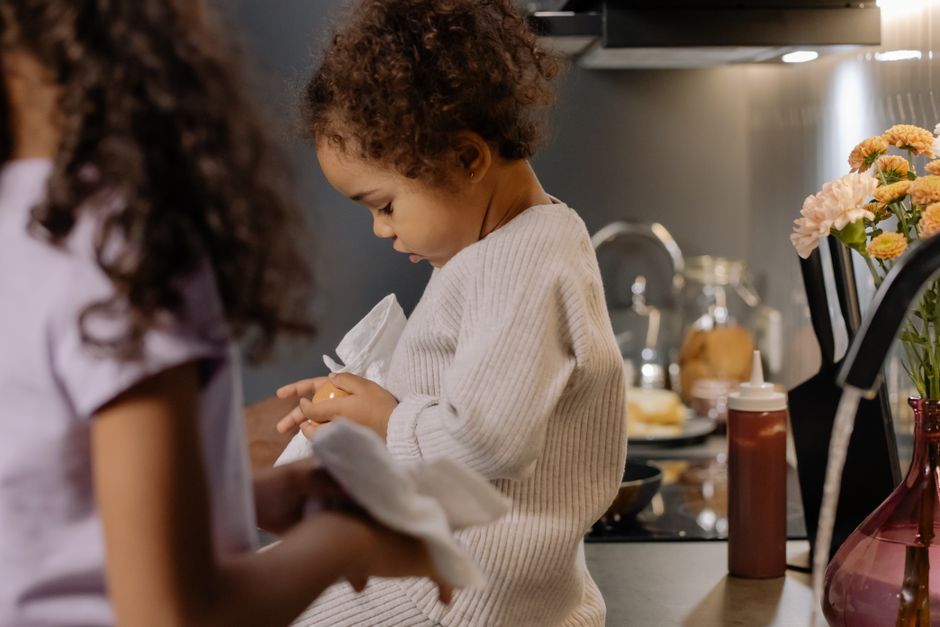
The fourth Saturday Carly told me she had been making dinner for her little brother since she was eight. Her mother worked late or was sleeping or was out. Carly did his homework with him. She signed his permission slips with her mother’s name. She said it like it was normal.
Janet F., 58, from Grand Rapids, Michigan, wrote that she got her first real break from responsibility when she went to college. “I was eighteen. I felt like I was fifty.”
Kids who had to run the house did a good job. It still was not their job.
You feel guilty when you rest

Carly could not sit still between batches. She wiped the counter three times. She asked if there was anything else. I told her to sit and have a cup of coffee. She sat for about ninety seconds and then got up to check the pot that did not need checking.
Mark T. from Chattanooga said his wife cannot watch a movie without folding laundry at the same time. “She says it feels wrong to just sit.” Her mother called sitting lazy, even on Sundays.
Resting is not a reward you have to earn. It is just part of being a person.
You expect to be left

Tom went out to get a part for the leaf blower one afternoon and said he would be back in an hour. He was back in two. Carly had started looking at the clock after the first hour. She asked me if I was worried. I said no. Tom always comes back. He just forgets the time at the hardware store. She did not seem to believe that a person could be late and still be coming back.
Angela M. from Tulsa wrote that her father left for a weekend when she was ten and came back in a year. “Now when anyone says they will be back, I hear a question mark.”
If you grew up with people who stayed, you expect people to stay. If you did not, you may need to learn it on purpose.
You are afraid of making people angry

The jar lids were not sealing right on the fifth Saturday. I got frustrated and said a word I will not type here. Carly froze with her hands in the water. I was not mad at her. I was mad at the lids. It took me a minute to see that she did not know the difference.
Greg P. from Scranton said he still cannot be in the room when his wife is angry at the cable company. “I know it is not me. My body does not know.”
Fine parents got angry sometimes. Bad parents made anger feel like a storm that could land on you at any moment.
You keep secrets you do not need to keep

Carly told me she had never told her roommate that she grew up poor. She had never told anyone at work that her mother had been sick in the ways that do not show. She said it was private. Then she looked at me and said she had just told me, so maybe it was not that private.
Susan K. from Boise said she was married twelve years before she told her husband that her father drank. “It was not that I was hiding it. I just did not know you were allowed to say it out loud.”
Some things really are private. Some things you were taught to hide so that the house looked fine from the street.
You feel like a burden when you need help

On the last Saturday Carly’s car would not start in my driveway. She stood out there for ten minutes before she came in. She did not want to bother Tom. Tom was bothered that she had waited. He had the cables on in three minutes. She apologized for the rest of the afternoon.
Teresa L. from Modesto said she waited two days with a broken ankle before she called anyone. “I kept thinking everyone was busy. I did not want to be a problem.”
Needing help is not a flaw. If you were taught it was, you may need to practice asking.
You cannot picture your parents saying sorry to you

I asked Carly if her mother had ever apologized to her. She thought about it the way you think about a word you cannot quite find. She said no. Not for the missed birthdays. Not for the lost signatures. Not for anything.
I wrote a post last year about apologizing to my own grown kids. Some of you wrote back and said you could not imagine your parents doing that. Janet F. from Grand Rapids said, “My mother would have rather died. She might have, actually, than say she was wrong.”
Parents who are fine get things wrong and say so. Parents who are not fine treat sorry like a weakness.
You do not trust your own memory

Carly told a story about her mother forgetting to pick her up from school in the snow. Then she stopped. “Maybe I am remembering it worse than it was.” I asked her how long she waited. She said until it was dark. That is not a memory you make worse. That is a memory you make smaller so you can carry it.
Diane R. from Peoria said her mother told her so many times that things had not happened that she stopped trusting herself. “I wrote things down as a teenager just to prove to myself they were real.”
If you keep doubting things you know happened, somebody taught you to doubt yourself.
You work very hard to be easy

Carly never asked for anything. Not a different knife. Not a glass of water. Not a break. She was the easiest guest I have ever had and that was the problem. Tom said it on the fifth week. “That girl is trying not to take up any room.”
Patrick W. from Dayton wrote that his father called him high maintenance when he asked for a ride to a friend’s house. He was eleven. “So I stopped asking for rides. I stopped asking for a lot of things.”
Fine parents let kids take up room. If you are still trying to fold yourself small, you can start unfolding.
You get anxious when things are going well

The applesauce came out perfect on the last Saturday. Every jar sealed. Carly looked at the row of jars and said she felt nervous. I asked why. She said it felt like something was about to go wrong. Good things in her house had always come right before bad things.
Mark T. from Chattanooga said his wife gets quiet on their best days. “She is waiting for the other shoe. I have told her a hundred times there is no other shoe.”
A calm house teaches you that calm can last. A chaotic one teaches you that calm is just the pause before the next thing.
You find it hard to say what you want out loud

I asked Carly if she wanted to take the extra jars or if she wanted me to keep them for her. She said either. I asked again. She said whatever I thought. I asked a third time and told her I would not move until she picked. She said she wanted to take them. It took her almost a minute.
Angela M. from Tulsa said she used to let her husband order for her at restaurants because it was easier than choosing. “He finally refused. He said he wanted to know what I actually wanted. I cried in a Mexican restaurant.”
Wanting something out loud is a skill. Some of us learned it at four. Some of us learn it at forty.
You are harder on yourself than anyone else would be

Carly misread the recipe once and added the sugar too early. It did not matter. The sauce was fine. She called herself stupid under her breath. She said it twice more over the next hour. I told her I had put salt in a pie once and served it to the pastor. She did not seem to think that counted.
Greg P. from Scranton said the voice in his head sounds exactly like his father. “I have not spoken to him in ten years. I still hear him every time I drop something.”
If the meanest voice you know is inside your own head, it probably came from somewhere.
You cannot relax around your own parents
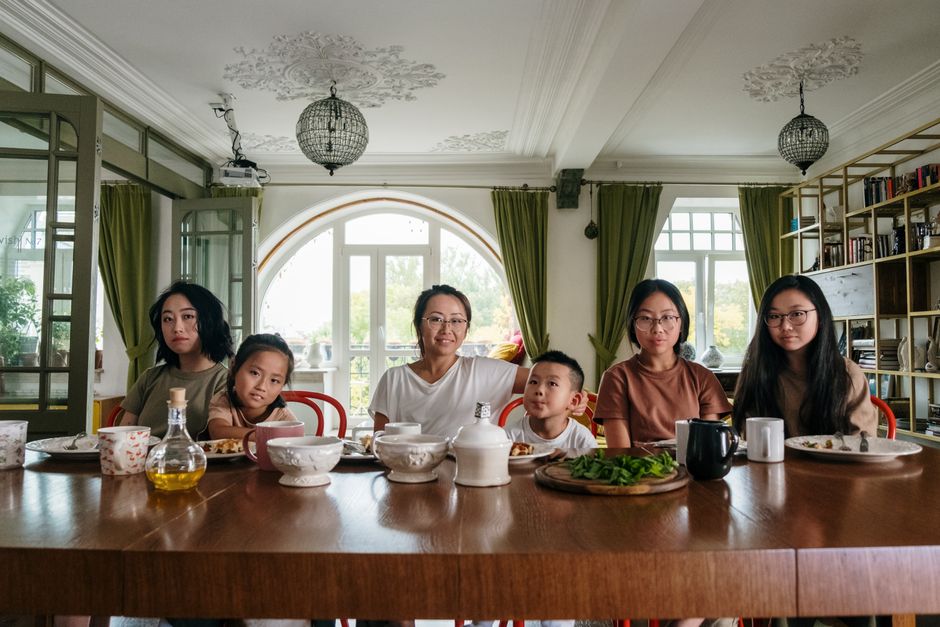
Carly’s mother called while she was at my table. Carly’s whole body changed. Her shoulders went up. Her voice went light and careful. She said everything was fine three times. When she hung up, she looked like she had run a race.
Susan K. from Boise wrote that she still gets a stomachache the day before she visits her parents. “They are old now. They are harmless. My stomach does not know that.”
Grown kids of fine parents get annoyed by them. Grown kids of the other kind get a knot in their stomach.
You feel like you have to earn love
On the last Saturday Carly asked what she could do to repay me for the six weeks. I said nothing. She did not believe me. She offered to rake. She offered to clean the gutters. She offered to babysit grandkids she had never met. I told her the applesauce was the deal and the deal was done.
Teresa L. from Modesto said she spent her twenties overworking at every job and every friendship. “I thought if I stopped being useful, people would stop wanting me around.”
Love from fine parents did not have a price. If yours did, you may still be trying to pay it.
You describe your childhood as fine when it was not
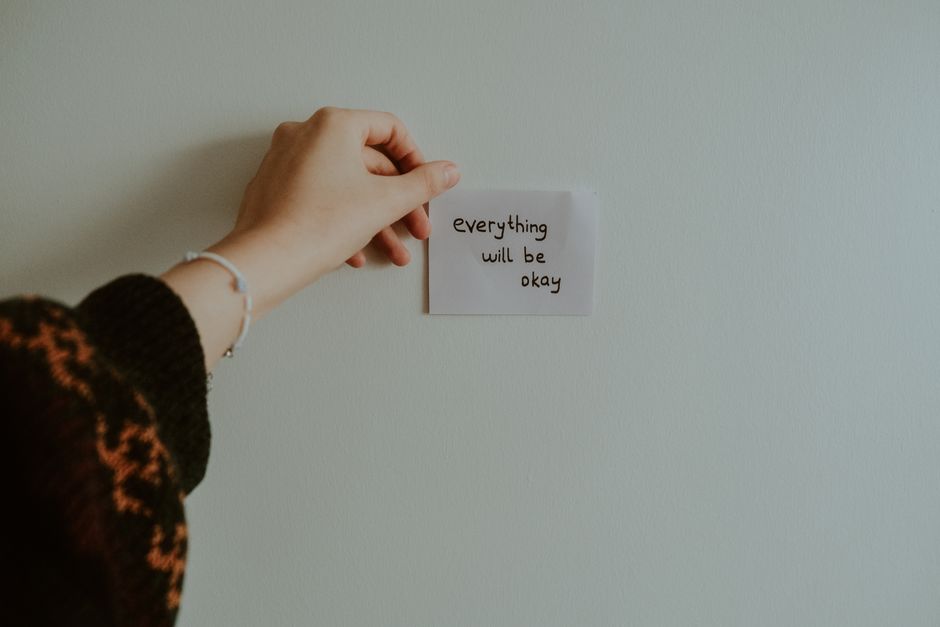
This is the one that started the whole list. Six Saturdays. Dozens of stories. Every single one wrapped in the same two words. My parents were fine. The house was fine. It was all fine.
Janet F. from Grand Rapids said it best. “I said fine for thirty years. Then my daughter asked me a simple question about my mother and I could not answer it without crying. Fine was the word I used so I would not have to look.”
If you have to keep saying fine, it may be worth asking yourself who you are saying it for.
You are trying very hard not to be like them

On the last Saturday Carly told me the real reason she wanted to learn to can. Her mother had never cooked a thing from scratch. Carly wanted to be a different kind of person in a kitchen. She wanted to have something to hand down. She did not have kids yet. She was already planning.
Patrick W. from Dayton said he reads parenting books even though his kids are grown. “I am still checking my work. I am still making sure I did not turn into him.”
Wanting to do better than your parents is a good sign about you. It is also a sign about them.
Carly took her jars home. She comes by now and then. Last week she asked me, without apologizing first, if she could borrow the big pot. I handed it over and did not say a word about how long that question had taken her to learn. Tom noticed too. He said, “She is getting there.”
I want to say one thing plainly. Noticing these signs in yourself is not the same as blaming your parents for your whole life. Some of them did the best they could with what they had. Some of them did not. Either way, you are the one living in the house you built. If any of this touches something heavy, something that goes beyond a stomachache and a shy apology, please talk to a counselor or call a crisis line. I am a woman with a grocery pad and a canning pot. That is all I am.
Which of these did you say fine about for a long time before you finally looked at it?
Keep Reading